


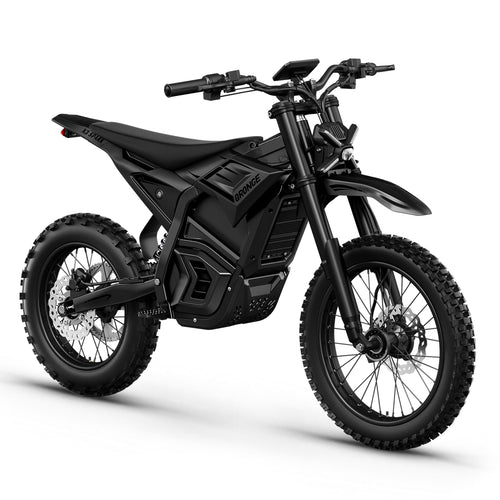
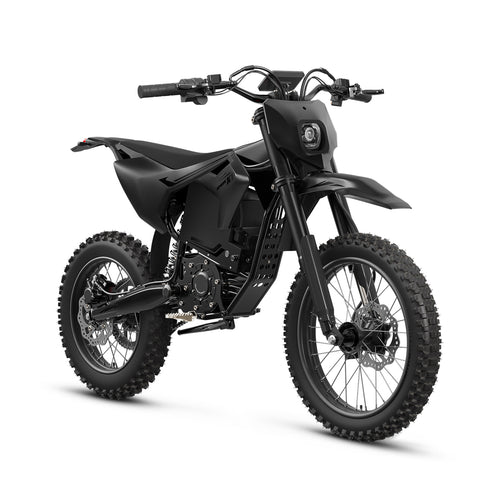
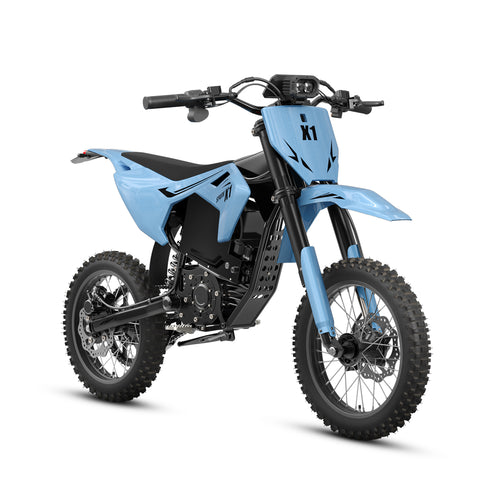
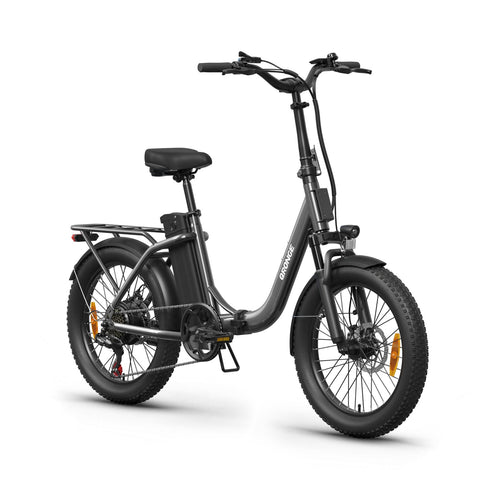

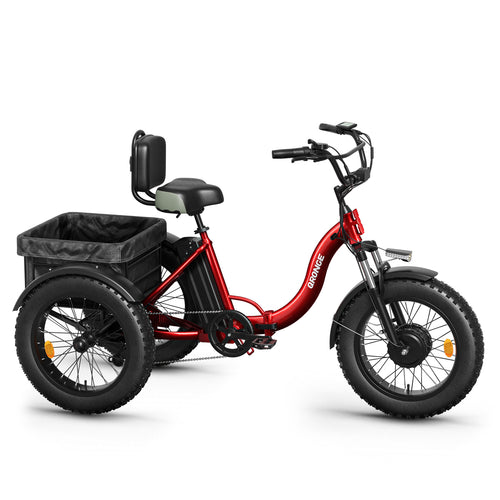
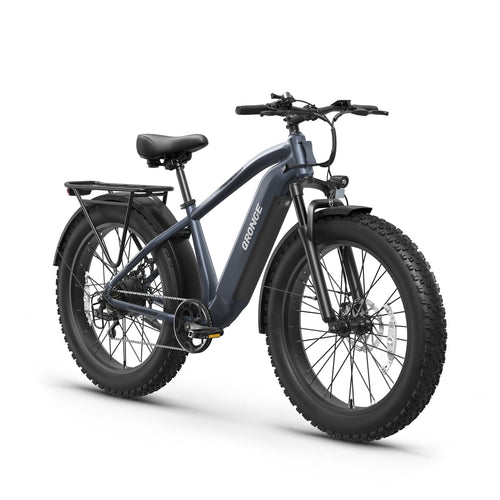
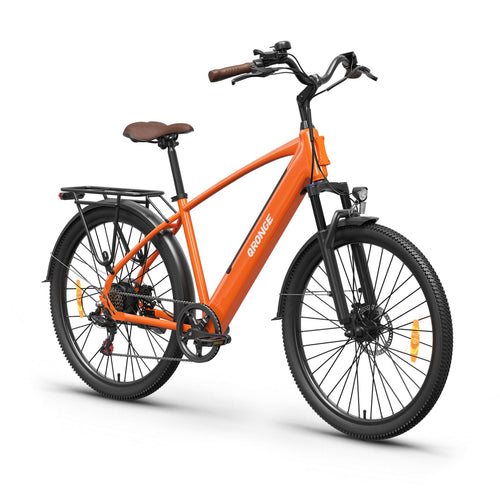
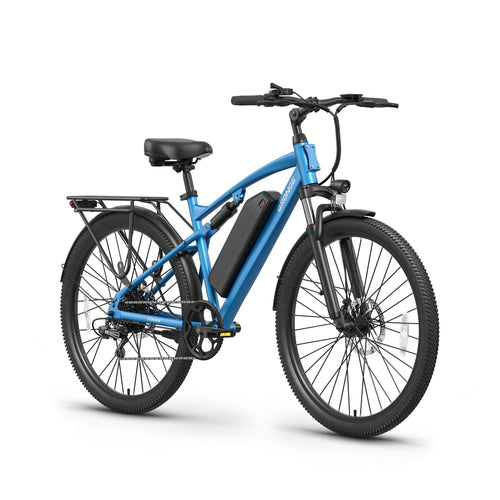




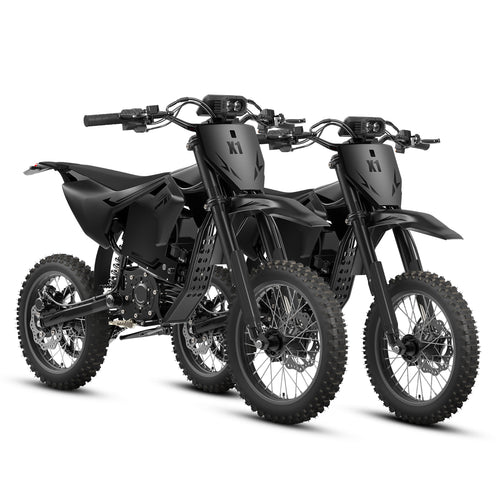
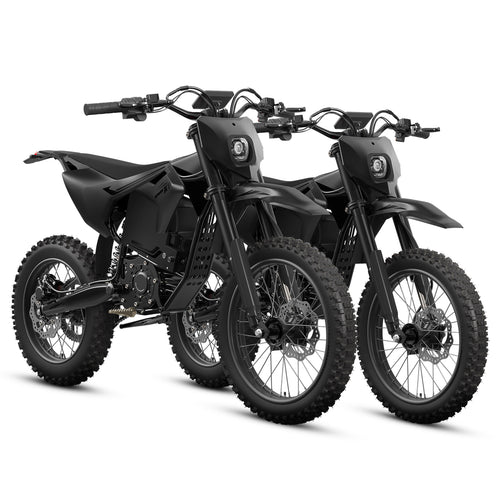
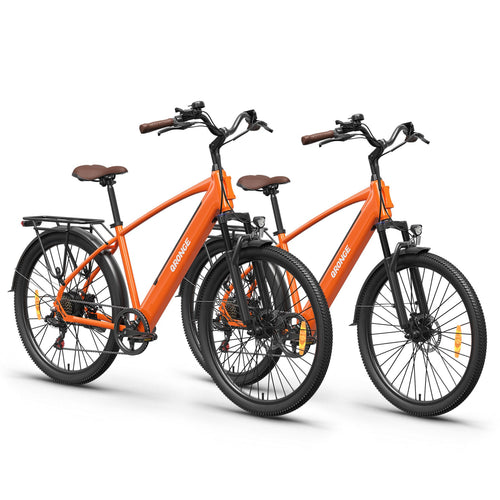
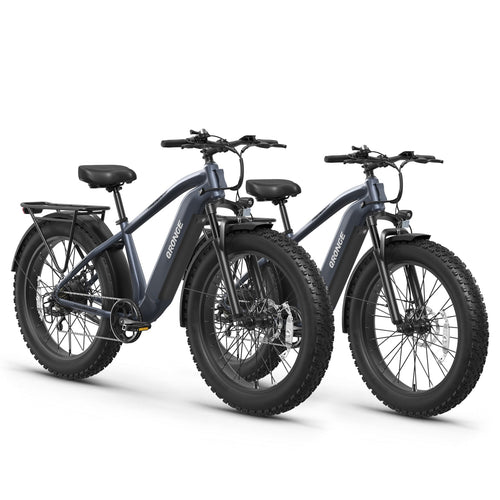
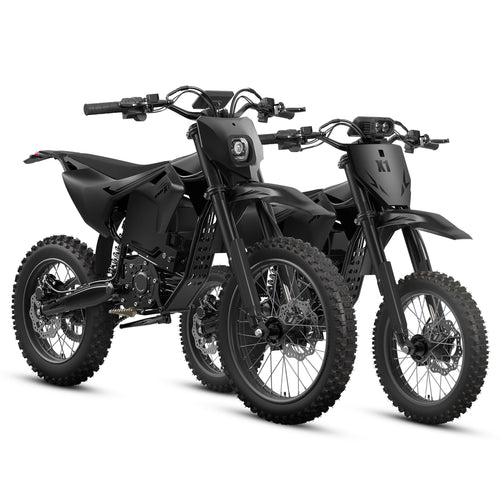
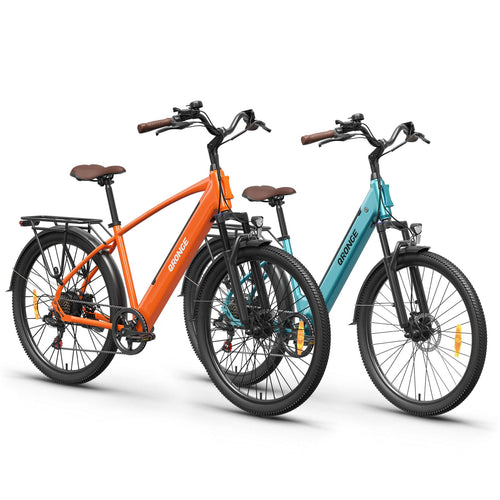


Most electric dirt bikes designed for off-road environments cannot be used directly as public-road vehicles.
Whether an electric dirt bike can be ridden on public roads depends not on how fast it can go or whether it has lights, but on what type of vehicle it is: an Electric Bicycle, an Off-Road Electric Dirt Bike, or a Street-Legal Electric Motorcycle manufactured to meet road-vehicle requirements.
The NHTSA also considers whether a vehicle is primarily manufactured for use on public streets, roads, and highways when distinguishing road vehicles from off-road vehicles. Dirt bikes manufactured mainly for off-road use do not have the same vehicle status as motorcycles manufactured for public-road use.
Legal Notice: This article is for general informational purposes only and does not constitute legal advice. Vehicle classification, registration, and riding rules may vary by state, city, and specific riding area, and may change over time.
What Types of Electric Dirt Bikes Are There?
“Electric dirt bike” is a product term and does not, by itself, determine a vehicle’s legal status.
When evaluating a vehicle, what matters more is its intended use, vehicle structure, and applicable registration system.
|
Type |
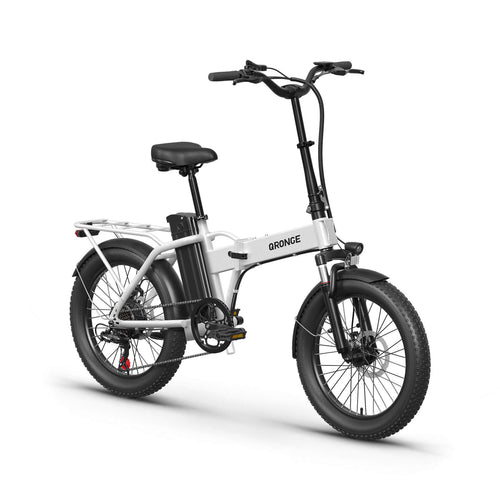
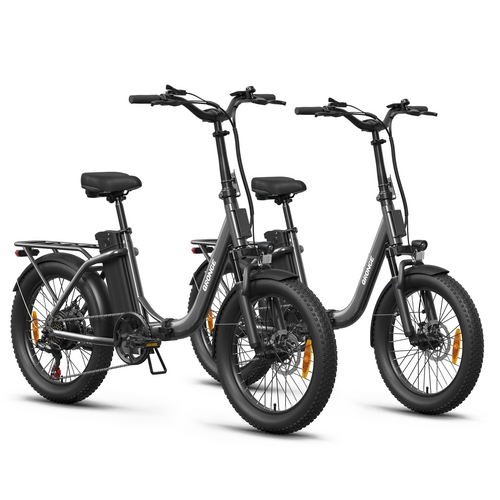
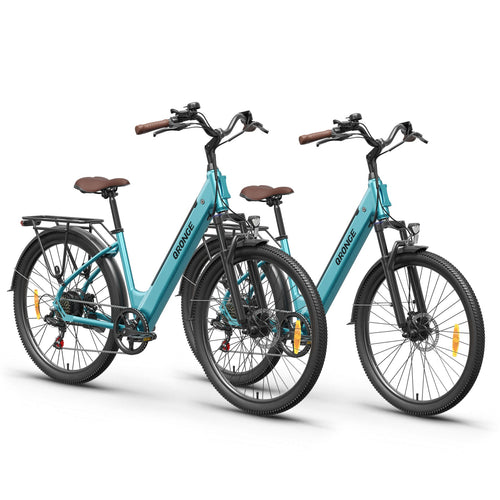
Electric Bicycle |
Off-Road Electric Dirt Bike |
Street-Legal Electric Motorcycle |
|
Primary Use |
Bicycle travel and commuting |
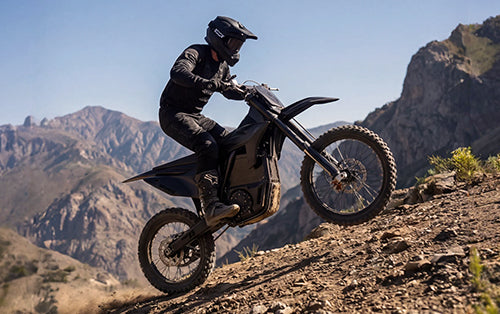
Off-road riding |
Public-road transportation |
|
Typical Structure |
Has fully operable pedals and meets the applicable e-bike definition |
Motorcycle-style structure designed mainly for unpaved and off-road environments |
Manufactured for road-motorcycle use |
|
Common Regulation |
E-bike laws |
OHV / Off-Highway Motorcycle rules |
Motorcycle / Motor Vehicle laws |
|
Road-Vehicle Certification |
Usually not certified under the road-motorcycle system |
Usually not a road motorcycle |
Must meet applicable road-motor-vehicle requirements |
|
Public Roads |
Subject to local e-bike rules |
Cannot be assumed to be allowed |
Can be used after meeting registration and local requirements |
|
Off-Road Areas |
Subject to site rules |
Primary riding environment |
Still subject to specific site rules |
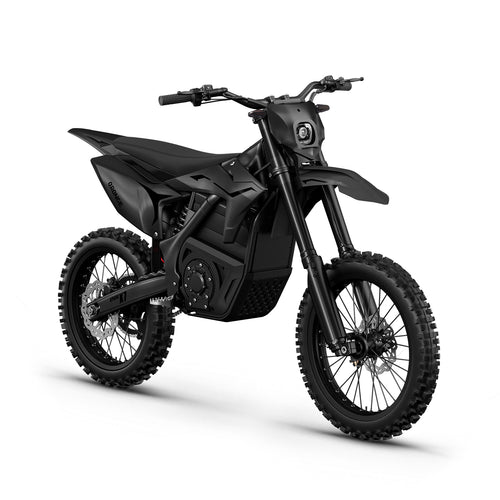
Qronge Electric Dirt Bikes are Off-Road Electric Dirt Bikes.
Qronge electric dirt bikes are intended for off-road riding and are not Street-Legal Electric Motorcycles. They cannot be used as vehicles on public streets, public roads, or highways.
Higher speed, greater power, or built-in lighting does not change this vehicle classification.
This distinction matters because the most common point of confusion is not whether a bike is electric or gas-powered, but this:
Off-road motorcycles and road motorcycles may look similar, but they do not have the same legal status.
What Does “Off-Road Only” Really Mean?
Off-Road Only first describes a vehicle’s manufacturing purpose and intended use, rather than simply suggesting that riders “should ride off-road.”
NHTSA places vehicles manufactured primarily for use on public streets, roads, and highways under road motor vehicle safety standards, while dirt bikes, ATVs, and other vehicles manufactured mainly for off-road use fall into a different category.
Therefore, an Off-Road Vehicle is not manufactured for road-motorcycle use and cannot automatically be treated as a Street-Legal Motorcycle simply because local rules are relatively lenient, the vehicle has lights, or it can reach higher speeds.
California currently uses a more specific eMoto/off-highway motorcycle classification for certain electric off-road motorcycles. Key elements include electric propulsion, a straddle seat and handlebars, no pedals, and a design intended by the manufacturer primarily for off-highway operation.
This also shows that simply using an electric motor does not automatically make a vehicle a regular e-bike.
When evaluating an Electric Dirt Bike, a more important question than “How fast can it go?” is: Was it manufactured as a road vehicle or as an off-road vehicle?
What Determines Whether a Vehicle Is Street Legal?
For a vehicle to truly qualify as a Street-Legal Motorcycle, at least three separate issues need to be considered:
|
Level |
Core Question |
|
Vehicle Compliance |
Was the vehicle manufactured and certified to meet the applicable road motor vehicle requirements? |
|
Registration Eligibility |
Can the vehicle obtain a road Title / Registration under local requirements? |
|
Road-Use Requirements |
Does it meet license plate, insurance, license, and local road-use requirements after registration? |
These three levels are not interchangeable.
Vehicle Compliance
If a motorcycle is manufactured for public-road use, it must meet the applicable safety requirements for that type of motor vehicle, and the manufacturer is responsible for the corresponding compliance certification.
This concerns the legal status of the vehicle itself. It is not the same as whether the vehicle has turn signals.
Title and Registration
Even if a vehicle has complete road equipment, it is still necessary to confirm whether the local authority accepts it for the appropriate road registration.
Two common misunderstandings are:
Having a VIN ≠ being automatically eligible for a road license plate.
Being eligible for OHV Registration ≠ being eligible for On-Road Registration.
A VIN is primarily used to identify a vehicle and does not, by itself, prove that the vehicle has road-compliant status.
Road-Use Requirements
A motorcycle that is eligible for road registration may still be subject to motorcycle license/endorsement, insurance, license plate, helmet, and specific road-access requirements when used on public roads.
So Street Legal is not determined by a single specification, but by a complete set of qualifications.
Can Road Equipment Make an Electric Dirt Bike Street Legal?
No. This is one of the most common misunderstandings about Electric Dirt Bikes.
Headlights, brake lights, turn signals, mirrors, horns, and road tires may be required equipment for road motorcycles, but they only address vehicle hardware.
|
Item |
What It Addresses |
What It Does Not Prove |
|
Headlight / Brake Light |
Lighting and signaling functions |
The vehicle has completed road certification |
|
Turn Signals / Mirrors |
Equipment needed for road riding |
The vehicle can obtain a Title |
|
Horn |
Road warning function |
The vehicle can obtain Registration |
|
Road Tires |
Road-use tire requirements |
The vehicle has become a Street-Legal Motorcycle |
|
License Plate Mount |
Provides a place to mount a license plate |
The vehicle is eligible to receive a license plate |
So: Street-Legal Kit ≠ Street-Legal Vehicle
When a vehicle originally manufactured for off-road use is fitted with road equipment, the most direct change is the hardware it has, not its original manufacturing status.
NHTSA guidance on converting an off-road motorcycle into a road motorcycle also involves compliance with applicable FMVSS requirements and certification responsibilities, rather than simply installing lights.
Therefore, if the real need is city riding, commuting, or other public-road riding, the vehicle should be confirmed as manufactured for road use from the beginning, rather than buying an Off-Road Electric Dirt Bike and assuming it can later be made street legal by adding accessories.
What Should You Check Before Buying?
If you want to know whether an Electric Dirt Bike can be used on public roads, motor power, top speed, and range are not the most important details on the product page.
The following information should be confirmed first:
|
Information |
What to Confirm |
|
Intended Use |
Whether it is Off-Road Only, Off-Highway, On-Road, Street Legal, or Dual Sport |
|
Vehicle Classification |
Whether it is an E-Bike, OHV, Off-Road Motorcycle, or Road Motorcycle |
|
Certification |
Whether it is manufactured and certified to meet applicable road motor vehicle requirements |
|
VIN / Vehicle Documents |
What vehicle status the documents apply to, rather than simply whether the vehicle has a VIN |
|
MSO / MCO |
How the vehicle’s intended use and classification are described in the documents |
|
Registration Eligibility |
Whether the specific model can obtain an on-road Title and Registration in the local area |
The last point is especially important.
If an Electric Dirt Bike is advertised for road use, a more important question than “Does it have lights?” is:
Can this specific model obtain an On-Road Title and Registration in the local area?
This directly affects the vehicle’s eligibility.
Street Legal Does Not Mean Trial Legal
There is another important distinction that is easy to overlook:
Public-road access and off-road trail access are two different types of permission.
A Street-Legal Motorcycle may legally use public roads that comply with local regulations, but that does not mean it can enter every forest trail.
Conversely, an Off-Road Electric Dirt Bike cannot be used as a public-road vehicle, but that does not mean it is prohibited from every off-road area.
In U.S. National Forests, for example, Motor Vehicle Use Maps (MVUMs) show which roads, trails, and areas are open to motor vehicles, while also identifying permitted vehicle types and seasonal access. A route that is not designated for motorized use cannot be assumed to allow access simply because a vehicle is quieter or electrically powered.
Common MVUM designations can be understood as follows:
|
Route Type |
What It Means |
|
Roads Open to Highway Legal Vehicles Only |
Only motor vehicles that are legal for highway use are allowed |
|
Roads Open to All Vehicles |
A wider range of vehicles is allowed, but local requirements still apply |
|
Trails Open to Motorcycles |
Trails specifically open to motorcycle-type vehicles |
|
Seasonal Motorized Routes |
Open only during designated periods |
|
Non-Motorized Routes |
Motor vehicles are not allowed |
Therefore:
Street Legal ≠ Anywhere Legal
Likewise:
Off-Road Vehicle ≠ Every Trail Legal
What ultimately determines whether an Electric Dirt Bike can enter a specific area is vehicle status + specific route rules.
Further Reading: To learn more about how different states handle Electric Dirt Bike registration, road use, and OHV rules, read A State-by-State Guide to Electric Dirt Bike Laws
Choose the Right Vehicle Type First
Whether an Electric Dirt Bike can be legally used on public roads depends on what type of vehicle it is from the manufacturing stage, rather than on a checklist of accessories added later.
If the main need is public-road transportation, choose a vehicle that already has the appropriate road-vehicle status and can meet local registration requirements.
If you choose a Qronge Electric Dirt Bike, it should be used as an Off-Road Electric Dirt Bike, with OHV or motorized trail access confirmed based on the location and specific riding area.


