








 0% APR Financing
 1-Year Warranty
 15-Day Trial
 Free Shipping
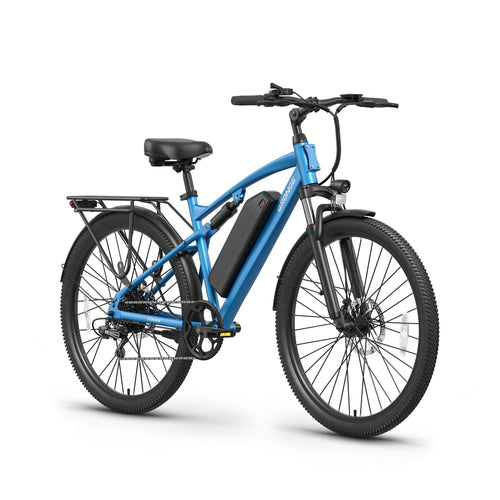
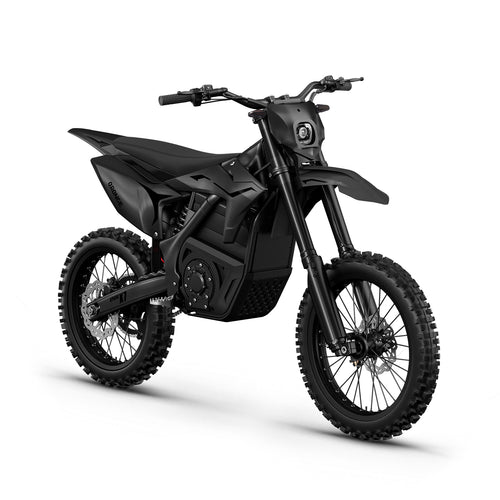
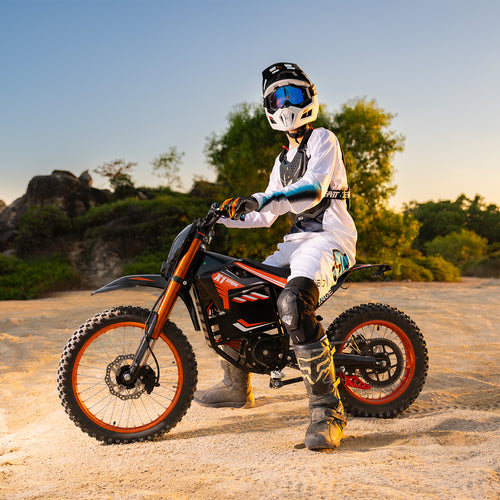
Full Suspension


Full Suspension Ebike FAQs
What is a full suspension e-bike, and how is it different?
A full suspension e-bike has both front and rear suspension, which helps absorb bumps and vibrations from rough terrain. Compared to a hardtail e-bike with only front suspension, a full suspension model offers more comfort, control, and traction on trails.
Is a full suspension e-bike worth the extra cost?
A full suspension e-bike is worth the extra cost if you frequently ride on rough trails, rocky terrain, or uneven surfaces. The added comfort, stability, and control significantly improve the riding experience in challenging environments.
Will the suspension make pedaling less efficient?
Modern full suspension e-bikes use efficient linkage designs and lockout options, so pedaling efficiency is not significantly affected. On smooth roads, riders can lock the suspension to maximize power transfer.
Is a full suspension e-bike much heavier?
A full suspension e-bike is usually slightly heavier than a hardtail due to the added rear shock and linkage. However, the difference is often minimal, and the motor assistance offsets the weight when riding.
What type of rider is a full suspension e-bike best for?
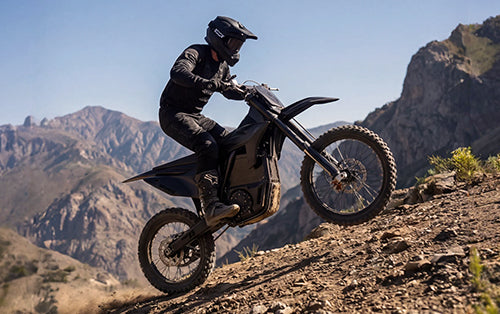
A full suspension e-bike is best for riders who enjoy off-road adventures, trail riding, downhill paths, or mixed-terrain routes. It provides extra comfort and safety for those who want a smoother, more controlled experience on rough surfaces.
Is the rear suspension high-maintenance?
Rear suspension requires occasional maintenance—mainly checking bolts, seals, and lubrication—but it’s not difficult. With periodic inspections and proper care, it stays reliable for long-term use.
Can I carry cargo or use a rear rack on a full suspension bike?
Many full suspension e-bikes can use a rear rack, but it depends on the frame design. Some require a special floating or seat-post-mounted rack because the rear triangle moves with the suspension. Always check compatibility before installing cargo accessories..


