



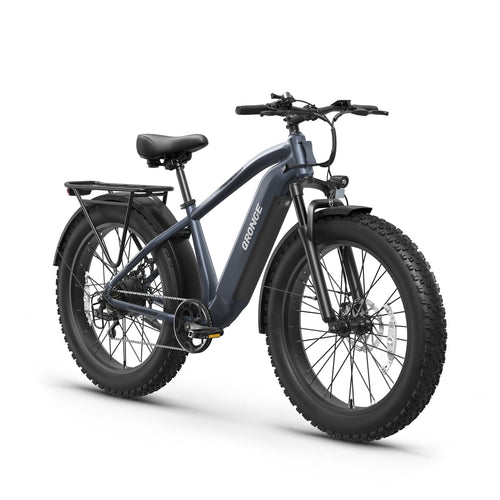
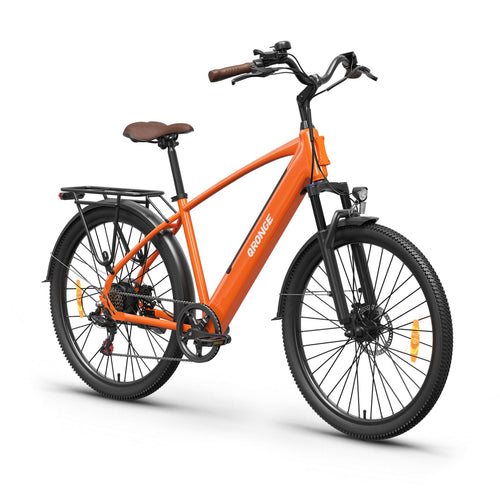
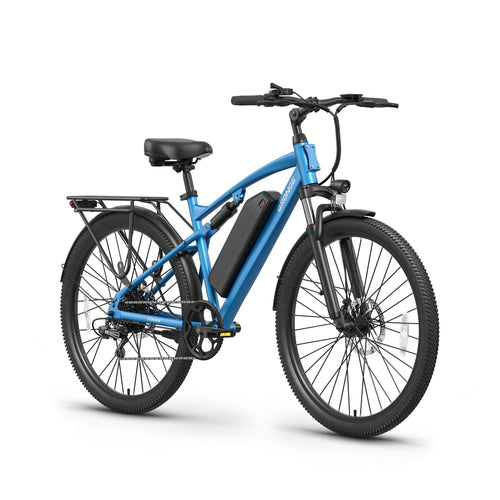
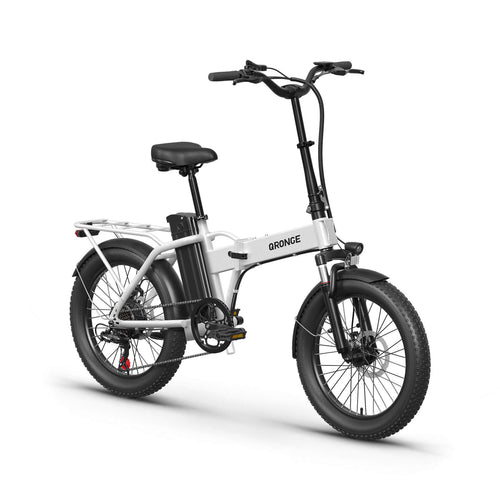





In Washington State, e-bikes have become a popular choice for commuting, campus travel, city transportation, and weekend rides. They require less effort than regular bicycles and are more flexible than cars, making them suitable for short trips and light outdoor riding.
As more electric models enter the market, riders also need to pay attention: not every product called an E-Bike complies with Washington State e-bike laws. Some vehicles have pedals and look like bicycles, but their power, speed, and usage are already closer to those of electric motorcycles. After the 2026 law update, these vehicles will be more clearly distinguished.
Before buying or riding, the most important thing is to confirm three things: whether the vehicle meets the definition of an electric-assisted bike, whether it belongs to Class 1, Class 2, or Class 3, and whether your regular routes allow riding.
Legal Notice: This article is provided for general informational purposes only and does not constitute legal advice. E-bike classifications, equipment requirements, and riding rules may vary by state and local jurisdiction and may change over time. Always check current regulations with the appropriate local authorities before riding.
What Counts as a Legal E-Bike in Washington State?
In Washington State, a legal electric-assisted bike is not judged simply by its appearance or by whether a product page calls it an “e-bike.” The law focuses more on the vehicle’s structure and core specifications.
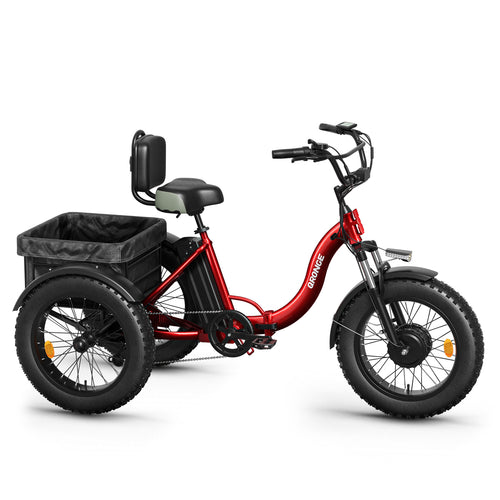
An electric-assisted bike usually needs to meet several basic requirements: it must have two or three wheels, a saddle, fully functional pedals, and an electric assist system.
The most important limit is that the motor power must not exceed 750W.
This means that if a vehicle has pedals but its motor power exceeds 750W, or if its actual performance is clearly beyond the range of a regular e-bike, it may no longer be appropriate to treat it as a standard electric-assisted bike.
For consumers, don’t just look at marketing phrases like “commuter hero” or “high-performance electric bicycle” before buying. Instead, check whether the vehicle clearly lists its motor power, top assisted speed, and vehicle class.
If you find that ebike laws vary from state to state, that is normal. U.S. states do not have exactly the same rules for e-bike definitions, road use, and local restrictions, so Washington riders should prioritize Washington State rules.
What Is the Difference Between Class 1, Class 2, and Class 3?
Washington State uses a three-class system for e-bikes: Class 1, Class 2, and Class 3. Different classes have different power activation methods, top assisted speeds, and riding-area rules.
Class 1: Closer to a Traditional Bicycle Riding Feel
A Class 1 e-bike only provides motor assistance when the rider is pedaling. Once the bike reaches 20 mph, the motor assistance must stop.
This type of bike feels more like a “pedal-assisted bicycle.” The rider still needs to pedal, while the motor mainly helps with climbing hills, reducing fatigue on longer rides, or making commuting easier.
For riders who mainly use an e-bike for city commuting, daily riding, light fitness, and shared-use paths, Class 1 is usually the easiest category to understand.
Class 2: Throttle Is Allowed, but Acceleration Is Still Limited
A Class 2 e-bike can be powered by the motor alone, commonly through a throttle mode. The rider does not always need to keep pedaling, and the bike can move forward using motor power.
However, there is one very important limit: once the bike reaches 20 mph, the motor must stop assisting.
This is where many riders get confused. Not every throttle-equipped e-bike qualifies as a compliant Class 2. A Class 2 bike that truly meets Washington rules must follow the 20 mph motor-assist limit.
If a bike can exceed 20 mph using motor power alone, it may no longer meet Washington State’s electric-assisted bike definition.
Class 3: Higher Speed, but More Restrictions
A Class 3 e-bike is also a pedal-assist model. The motor only provides assistance when the rider is pedaling, but the top assisted speed can reach 28 mph, and the bike must be equipped with a speedometer.
Class 3 can be attractive for commuters because the higher assisted speed is suitable for longer city or suburban rides.
But higher speed also means more legal restrictions. Class 3 e-bikes are usually not allowed to freely enter sidewalks or certain shared-use paths. Riders should not focus only on the speed advantage, but also confirm whether their regular routes allow Class 3 e-bike use.
Key Changes in Washington E-Bike Laws for 2026
The key point of Washington State’s 2026 law change is not simply to restrict regular riders, but to more clearly distinguish standard e-bikes from high-powered electric vehicles.
The most important change is this: if a vehicle can exceed 20 mph using only its motor, it is not an electric-assisted bike.
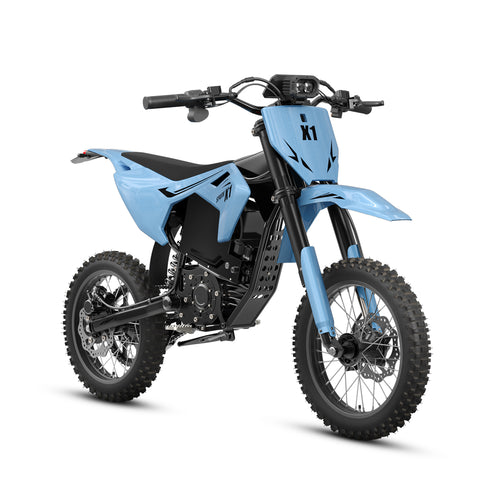
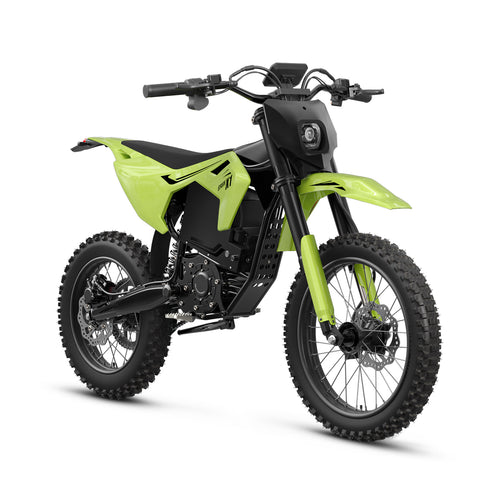
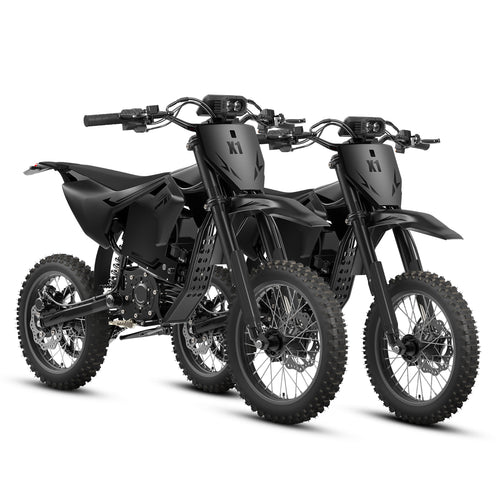
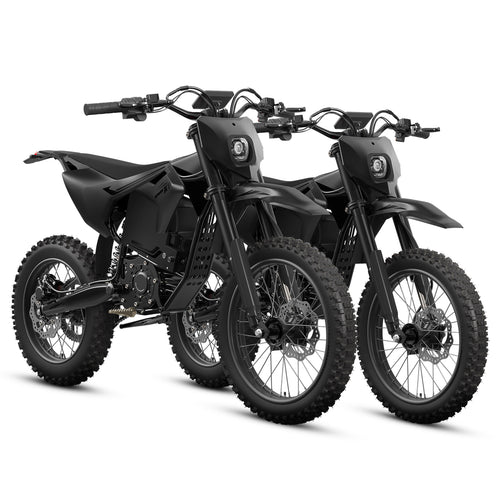
This rule has a major impact on high-powered models. Some products have pedals and are marketed as electric bicycles, but they can actually reach higher speeds in full electric mode. In Washington State, these vehicles may no longer be used under regular E-Bike rules.
Another key point is that if a vehicle is designed, manufactured, or intentionally set up by the manufacturer or seller so that it can be easily changed into a state that does not meet e-bike requirements, it may also be excluded from the electric-assisted bike category.
“Easily changed into a non-compliant state” includes changes made through a mechanical switch, button, software setting, App, drive system parameter adjustment, or other methods provided by the manufacturer or seller.
Simply put, if a bike can easily unlock a higher speed through a button, an App, or a hidden setting, it may no longer be considered a legal e-bike.
Zephyr ebike
Why Do the Laws Distinguish Between E-Bikes and Electric Motorcycles?
The logic behind this law change is clear: Washington State wants to distinguish regular e-bikes from electric motorcycles.
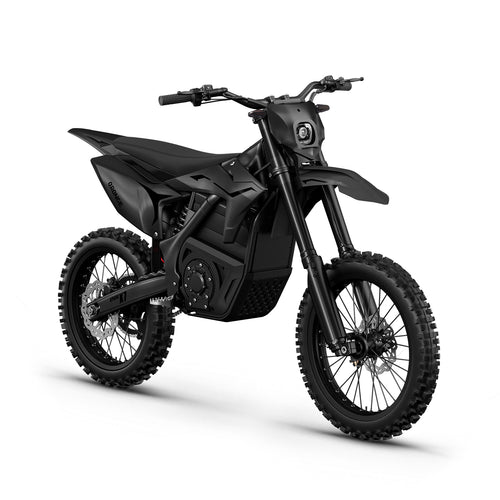
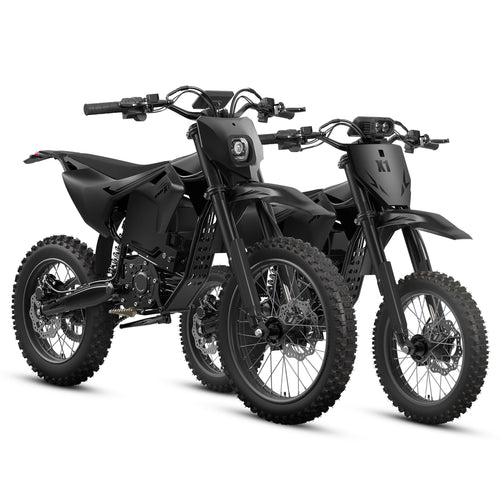
In recent years, many faster and more powerful electric vehicles have entered the U.S. market. Some of them look like bicycles and have pedals, but the actual riding experience is already closer to an electric motorcycle.
If these vehicles enter sidewalks, shared-use paths, campuses, parks, or nonmotorized trails, they may create more safety and management issues. This is especially true for vehicles with higher speeds, heavier weights, and faster acceleration. Once they mix with pedestrians or regular bicycles, the risks can increase significantly.
So the law is not rejecting high-performance electric vehicles. Instead, it aims to place different vehicles in more suitable riding environments.
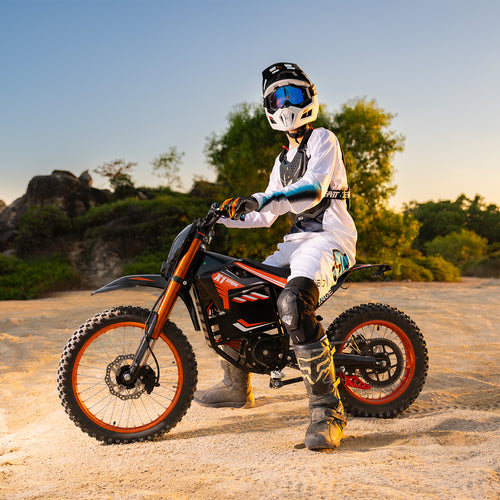
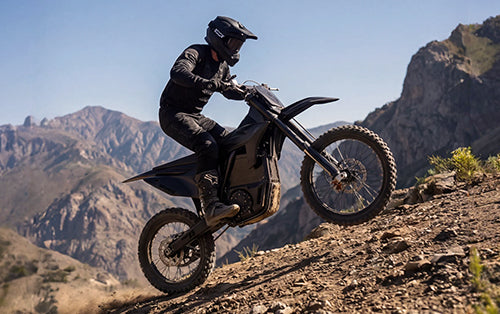
Regular e-bikes are suitable for commuting, city roads, and some shared-use paths, while high-powered vehicles that are closer to electric motorcycles may be more suitable for private land, dedicated off-road areas, or areas where motorized riding is allowed.
Where Can You Ride an E-Bike in Washington State?
After understanding the vehicle class, the next step is to check whether it can be ridden on your actual routes.
In general, Class 1 and Class 2 e-bikes are more likely to be allowed on shared-use paths and some road facilities designated for bicycles in Washington State.
Because Class 3 e-bikes have higher speeds, they face more restrictions. They usually cannot be ridden on sidewalks unless local laws allow it, or unless there is no alternative route and the sidewalk is needed as part of a bicycle or pedestrian path.
On shared-use paths, Class 3 e-bikes are also usually restricted unless the local authority clearly allows them.
In addition, all classes of e-bikes may be restricted on nonmotorized natural-surface trails. In other words, even if your bike is a legal electric-assisted bike, it does not mean it can enter every park, forest trail, nature reserve, or trail.
The safest approach is to check the specific rules of the local city, county, park, campus, or trail authority before riding.
Sidewalk, Shared-Use Path, and Road Rules Should Be Viewed Separately
Many riders mix up “whether it can be used on the road” with “whether it can be ridden anywhere,” but in Washington State, these are not the same question.
When riding on roads, bicycle and e-bike riders generally need to follow traffic rules like other road users. Riders should pay attention to traffic signals, road markings, turn signals, nighttime lighting, and safe riding requirements.
On sidewalks, the rules are more complicated. Class 3 e-bikes generally cannot be ridden on sidewalks unless local ordinances allow it or there is truly no other alternative route. Whether Class 1 and Class 2 e-bikes can be ridden on sidewalks may also be affected by local city or county rules.
On shared-use paths, Class 1 and Class 2 are usually more likely to be allowed than Class 3. But if the path is a nonmotorized natural-surface trail, even low-speed e-bikes may be restricted.
So riders should not only ask, “Can I ride an e-bike in Washington State?” They should also ask, “What class is my bike, and does my route allow this class of e-bike?”
E-Bike Labels and Modification Issues Matter
Washington State requires electric-assisted bikes to have a clear, permanent, and visible label. This label usually needs to show the vehicle class number, top assisted speed, and motor power.
This label is important for consumers because it helps them quickly determine whether the vehicle belongs to Class 1, Class 2, or Class 3.
If the vehicle lacks a clear label or the specifications are vague, riders need to be more cautious. This is especially important when buying online. The product page should show key specifications, not just speed, range, and appearance-focused marketing.
Modifications can also affect legality. For example, unlocking speed limits, changing the controller, adjusting software parameters, or changing drive system settings may turn an originally compliant e-bike into a non-compliant vehicle.
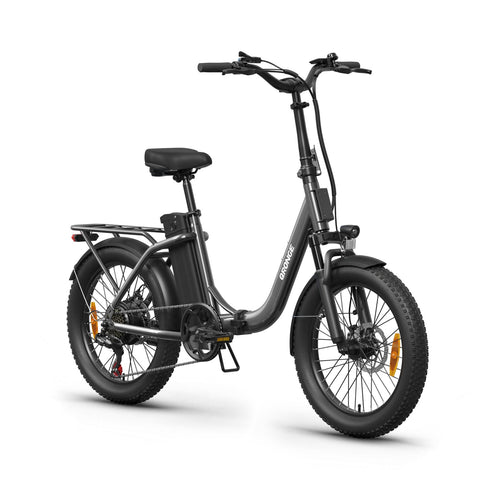
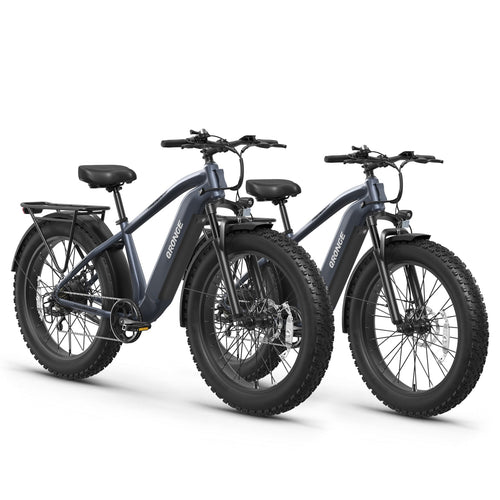
For riders looking to buy a fat tire electric bike, fat tires themselves are not the issue. What really needs to be confirmed is whether the motor power, top assisted speed, throttle setting, and vehicle class comply with Washington laws.
Thunder Ebike
Helmets Are Not Required Statewide, but Are Still Recommended
Washington State does not currently have one statewide mandatory bicycle helmet law, but some cities and counties may have their own helmet requirements.
For e-bike riders, if local laws require bicycle riders to wear helmets, e-bike riders must also follow those requirements.
Even if helmets are not required locally, wearing one is still the safer choice. E-bikes usually travel faster than regular bicycles, so if a fall or collision happens, the risk of injury can be higher.
If you often ride on city roads, hills, wet roads, at night, or in areas with heavier traffic, a helmet, front and rear lights, reflective gear, and basic protective equipment should be seen as essential safety gear.
Use This Checklist Before Buying to Quickly Judge Compliance
If you are preparing to buy or use an e-bike in Washington State, you can check these questions first.
First, is the vehicle clearly classified as Class 1, Class 2, or Class 3?
Second, is the motor power no more than 750W?
Third, does the top assisted speed match the corresponding class? The assist limit for Class 1 and Class 2 is 20 mph, while the pedal-assist limit for Class 3 is 28 mph.
Fourth, if the vehicle has a throttle, does it stop motor assistance at 20 mph?
Fifth, can the vehicle be easily unlocked to a non-compliant speed through a button, software, App, or hidden setting?
Sixth, does the vehicle have a permanent label showing the class number, top assisted speed, and motor power?
Seventh, does your regular route allow this class of e-bike?
If these questions can all be answered clearly, the buying decision will be more reliable. If the product page describes these details vaguely, it is not recommended to place an order based only on appearance or a low price.
Compliance Matters More Than Simply Chasing Speed When Choosing an E-Bike
Many users prioritize top speed, range, appearance, and price when buying an e-bike. But in Washington State, legal compliance is just as important.
An e-bike suitable for daily riding should not only chase higher speeds. It should also balance motor power, assisted speed, riding scenarios, safety features, and legal requirements.
If you mainly use it for commuting, campus travel, city roads, shared-use paths, or recreational riding, choosing a model with clear classification, transparent specifications, and compliance with local laws will be more reassuring.


