


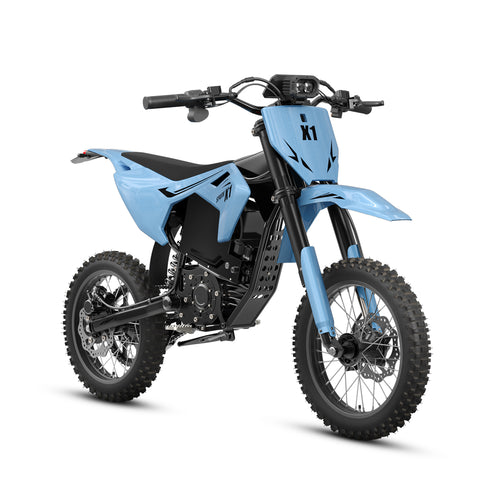
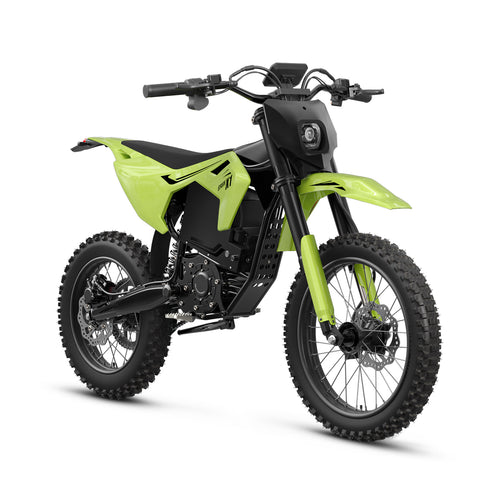

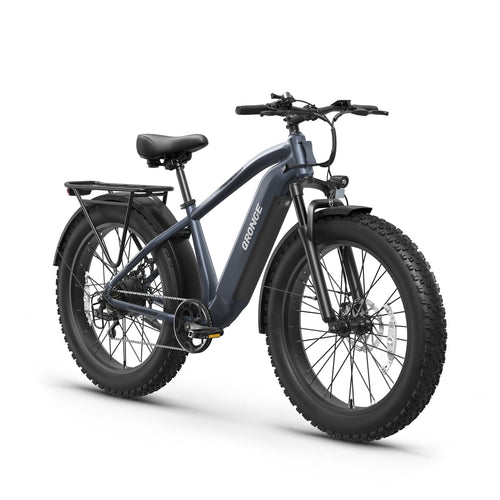
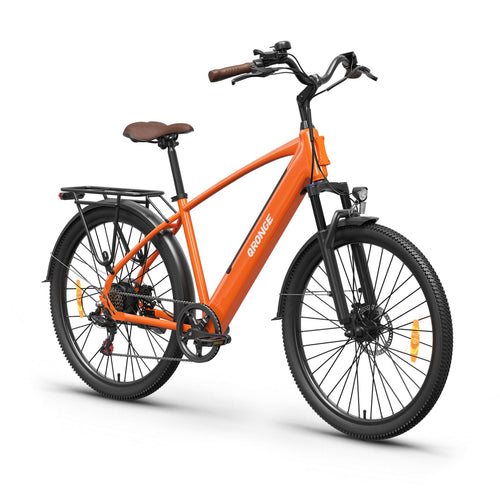
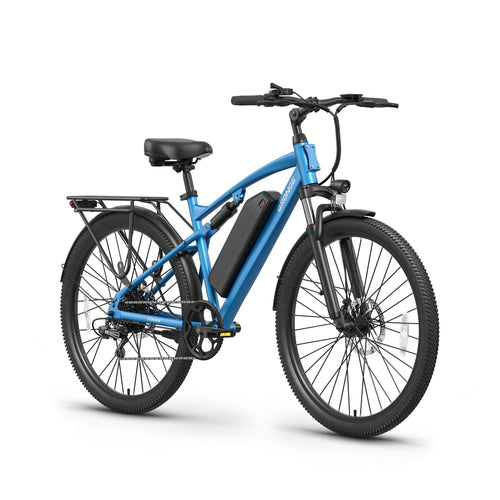
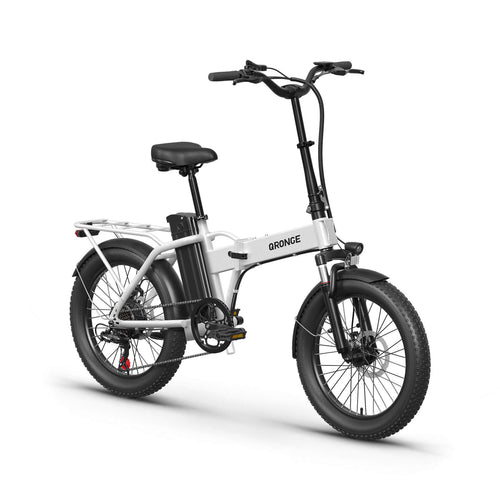



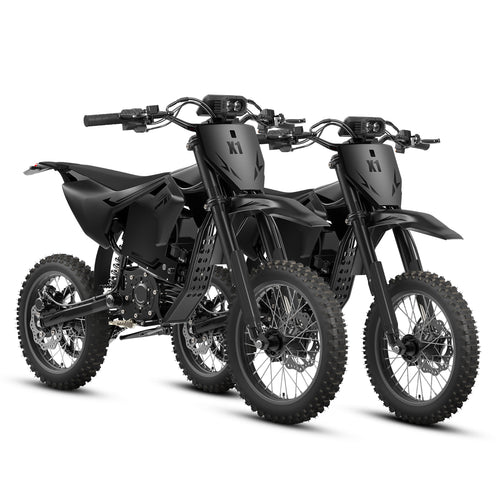
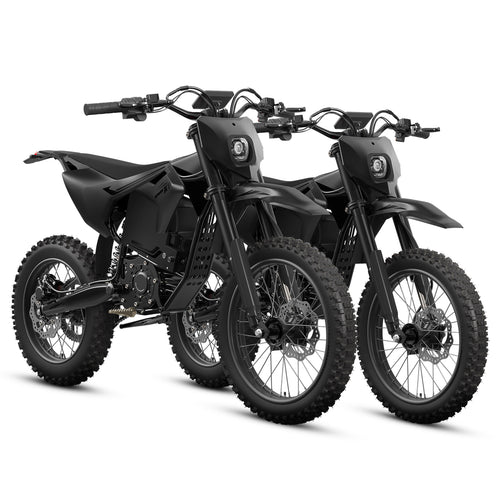
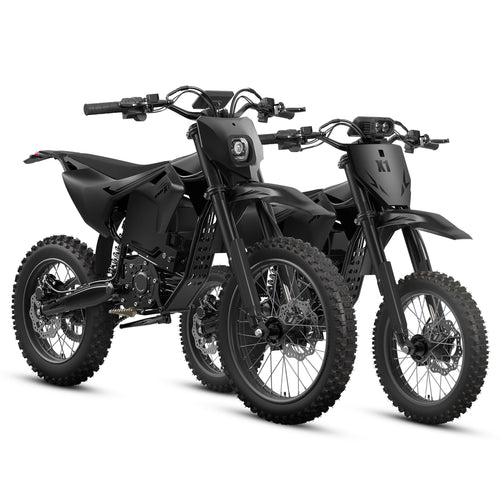


The electric dirt bike market is growing rapidly.
More riders are using electric dirt bikes for trail riding, camping trips, farm commuting, and light urban riding. Compared with traditional gas-powered dirt bikes, electric models offer lower noise, less maintenance, and more immediate power delivery, making them an increasingly popular choice for many riders.
But for many consumers, the biggest factor affecting their buying decision is not performance. It’s a more practical question:
Can an electric dirt bike be legally ridden on public roads?
The answer is not the same in every state.
Currently, different states have very different rules regarding electric dirt bike classification, registration, and road-use requirements.
Some states allow riders to register modified bikes for street use, while others strictly limit public road riding. Because of this, understanding your local state regulations before buying an electric dirt bike has become increasingly important.
Legal Notice: This article is provided for general informational purposes only and does not constitute legal advice. Electric dirt bike classifications, licensing and registration requirements, equipment requirements, and riding rules may vary by state and local jurisdiction and may change over time. Always check current regulations with the appropriate state or local authorities before riding.
Why Many Electric Dirt Bikes Are Not Street Legal❓⚡
Most electric dirt bikes currently on the market are still classified as OHVs (Off-Highway Vehicles). In other words, they are designed as off-road vehicles rather than standard street motorcycles.
Because of this, many models do not come factory-equipped with the required street-legal components.
For example:
- No DOT-approved tires
- No turn signals
- No mirrors
- No legal horn
- No road-compliant lighting system
These are exactly the items that most state DMVs require during vehicle registration inspections.
As a result, many buyers discover after purchasing that even though the bike has enough power and performance, it still cannot be legally registered for road use.
At the same time, different U.S. states have very different rules regarding electric dirt bike classification, registration, and road-use requirements. Some states allow riders to apply for street-legal status after modifications, while others may still reject registration even after the bike has been upgraded.
Below is an overview of registration requirements and road-use regulations for electric dirt bikes in several popular U.S. states.
California
California is currently one of the strictest states when it comes to electric dirt bike regulations.
The California DMV and the California Air Resources Board (CARB) jointly oversee vehicle street-legal requirements.
If an electric dirt bike is being registered as a street vehicle, the California DMV will typically inspect whether the bike meets road equipment requirements, including DOT-approved tires, lighting systems, mirrors, and VIN information.
In addition, the vehicle must have a valid VIN and be eligible for DMV registration.
The most important issue is that many electric dirt bikes may still be denied a standard street license plate even after being modified for road use if the original vehicle certification is classified as OHV.
This is why some models can be legally registered in other states but still fail registration in California.
Under current California DMV regulations, unregistered OHVs operated on public roads may be impounded by law enforcement. Because of this, many California buyers prioritize platform models that already meet street-legal electric dirt bike standards.
Texas
Compared with California, Texas has more flexible regulations for electric dirt bikes.
The Texas DMV allows some off-road vehicles to apply for street-use status after modifications.
However, the vehicle must meet specific road equipment requirements.
First, the bike must have DOT-approved tires.
It must also be equipped with a headlight, taillight, brake light, and turn signals.
Texas also requires electric dirt bikes to have at least one mirror and a legal horn.
At the same time, the vehicle must have a valid VIN, registration, and insurance.
However, there is another issue that many buyers overlook:
Road-use restrictions for electric dirt bikes may vary between different counties and cities.
For example, some areas may restrict:
- Highway riding
- Night riding
- Access to residential roads
Because of this, completing registration does not necessarily mean the bike can be ridden in all road areas.
Florida
Florida is currently one of the fastest-growing markets for electric dirt bikes.
Under current Florida Highway Safety and Motor Vehicles requirements, an electric dirt bike must usually meet the following conditions to be legally ridden on public roads:
The vehicle must have a complete lighting system, including a headlight, taillight, and brake light.
Florida also requires the bike to have mirrors, DOT-compliant tires, and a functioning horn.
In addition, the vehicle must be registered and insured.
If the vehicle’s top speed meets motorcycle classification standards, the rider may also need a Motorcycle Endorsement.
However, there is another important point to note: Some coastal cities in Florida impose additional restrictions on off-road vehicles entering public areas.
Because of this, state regulations allowing road use do not necessarily mean unrestricted riding is allowed in every city.
New York
New York allows electric dirt bikes that meet legal requirements to be registered for public road use.
However, the registration requirements are relatively strict.
According to New York DMV regulations, the vehicle must have:
- DOT-approved tires
- Front and rear lighting systems
- Brake light
- Turn signals
- Mirrors
- VIN
- Vehicle title
At the same time, the vehicle must also be insured.
If the bike does not have a VIN or a Manufacturer Certificate of Origin (MCO), many electric dirt bikes will not qualify for a legal license plate.
New York City (NYC) is especially strict when it comes to electric dirt bike enforcement.
In recent years, the NYPD has carried out multiple enforcement actions targeting unregistered electric dirt bikes.
Key enforcement targets include:
- Unregistered vehicles
- Sidewalk riding
- Riding in park areas
Because of this, the ability to complete legal registration is a very important factor for New York buyers when choosing an electric dirt bike.
New Jersey
New Jersey has relatively strict road registration requirements for electric dirt bikes.
Under current regulations from the New Jersey Motor Vehicle Commission (NJMVC) and New Jersey Revised Statutes, most electric dirt bikes are typically classified as OHVs (Off-Highway Vehicles) or dirt bikes.
If the vehicle is registered as an OHV, it usually cannot be operated on public roads.
If the vehicle is being registered as a street motorcycle, the NJMVC will typically inspect whether it meets road equipment requirements, including DOT-approved tires, lighting systems, brake lights, mirrors, a horn, and a legal VIN number.
At the same time, the vehicle must also complete title registration and insurance requirements.
However, New Jersey has consistently maintained strict review standards for off-road vehicle registration.
If the Manufacturer Statement of Origin (MSO) or Manufacturer Certificate of Origin (MCO) clearly states “Off-Road Use Only,” many models usually cannot qualify for a standard street license plate.
In addition, under New Jersey OHV regulations, unregistered OHVs are not allowed on public roads, sidewalks, or most public land areas.
Because of this, it is very important to confirm the vehicle’s DMV registration classification and title status before purchasing an electric dirt bike in New Jersey.
Arizona
Arizona has one of the most established off-road riding cultures in the United States. The Arizona Game and Fish Department allows electric dirt bikes to ride legally in many OHV areas.
If the vehicle is intended for public road use, it usually must meet the following requirements:
The bike must have DOT-approved tires and a complete lighting system.
It must also be equipped with mirrors, a horn, and a legal license plate mounting setup.
In addition, the vehicle must complete VIN registration and insurance requirements.
Arizona allows some OHV vehicles to apply for Street Legal Registration.
However, the vehicle must first pass a road equipment inspection.
Because Arizona has a large number of open OHV riding areas, many riders use electric dirt bikes for desert riding, trail exploration, and outdoor recreation.
Colorado
Colorado’s electric dirt bike regulations mainly focus on environmental protection and natural area preservation.
If an electric dirt bike is intended for public road use, the Colorado DMV typically requires the vehicle to have:
- DOT-approved tires
- A complete lighting system
- Mirrors
- A horn
- Legal registration information
At the same time, the vehicle must also carry valid insurance.
However, Colorado differs from many other states in one important way:
Many riding areas are located in national forests and mountain environments.
Because of this, even if the vehicle is street legal, some areas may still require an additional OHV permit.
In addition, some trails are subject to seasonal access restrictions.
Before entering mountain riding areas, riders usually need to check the local trail access status in advance.
Why Are Electric Dirt Bikes Becoming More Popular?🔋
The rapid growth of the electric dirt bike market is not only driven by environmental factors.
More importantly, the products themselves are changing.
Compared with traditional gas-powered dirt bikes, electric dirt bikes require much less maintenance over time.
The bikes do not require:
- Oil changes
- Carburetor maintenance
- Fuel system cleaning
In addition, electric dirt bikes operate much more quietly. This is one reason why more communities are gradually becoming more accepting of electric off-road vehicles. For beginner riders, electric power delivery is also smoother and easier to control compared with traditional gas bikes.
Another major change consumers have focused on over the past two years is battery range improvement. Today, more and more consumers are paying attention to the battery range of electric dirt bikes, with growing demand for models that offer longer riding distances. As lithium battery technology continues to improve, an increasing number of electric dirt bikes now feature extended range, faster charging, and removable battery designs. These advancements not only improve the overall riding experience but are also becoming one of the key factors driving the continued growth of the electric dirt bike market.
Different State Laws Directly Affect Where Electric Dirt Bikes Can Be Ridden🛣️🏍️
Currently, there are still major differences in how states regulate electric dirt bikes.
Some states have large numbers of open OHV riding areas, while others place stricter limits on the use of public roads, state parks, forest trails, and public lands.
Because of this, understanding local regulations before purchasing an electric dirt bike is usually very important.
Especially in off-road riding areas, state forest trails, camping areas, and public land environments, different states often apply different management rules.
For many riders, electric dirt bikes are mainly used for outdoor recreation, trail riding, camping exploration, and riding on private property.
As a result, the actual riding environments available for use are often more important than power or top-speed specifications alone.
Before riding, checking local DMV regulations, OHV programs, or state park rules can also help riders better understand local riding access and usage requirements.


