


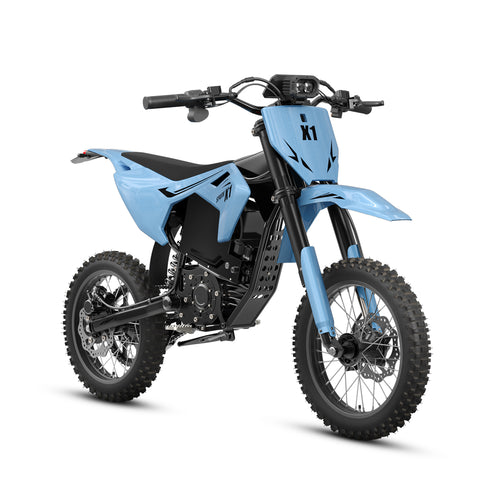
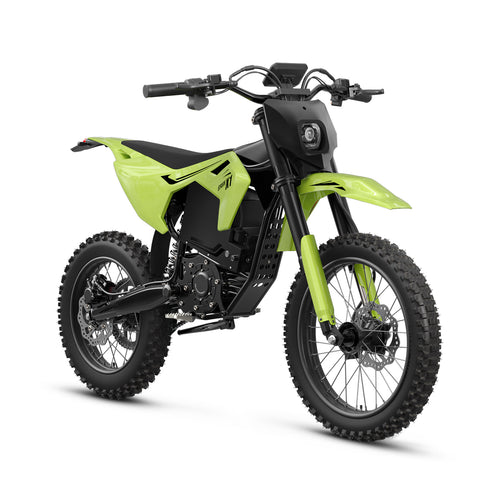

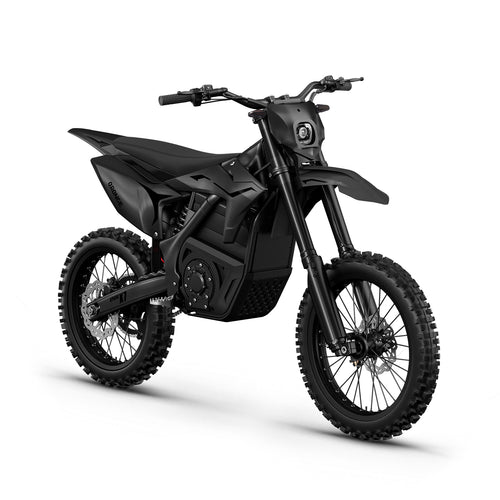
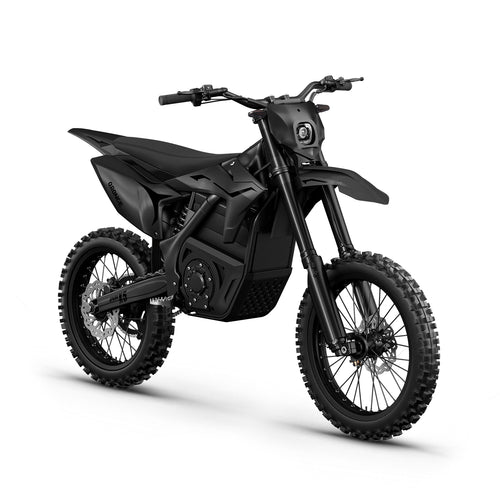


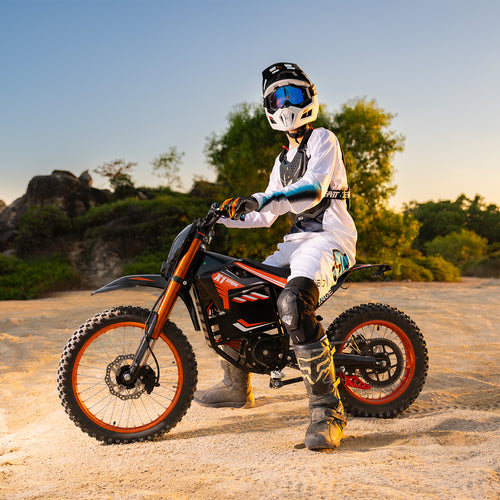
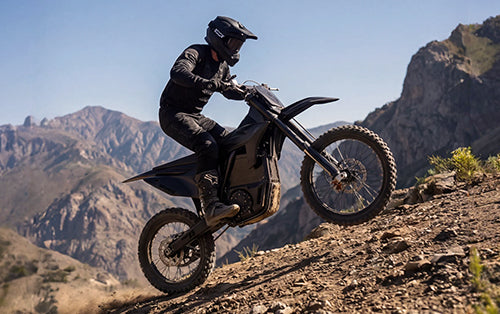

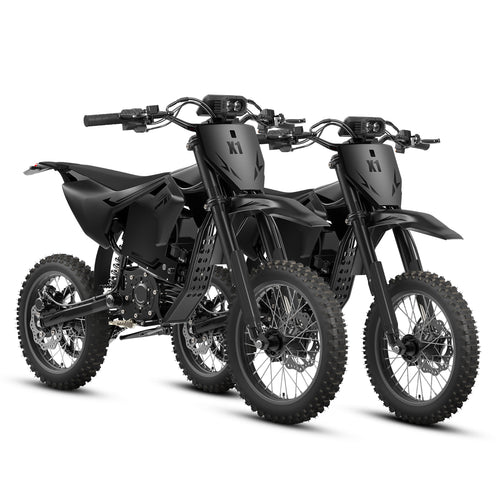
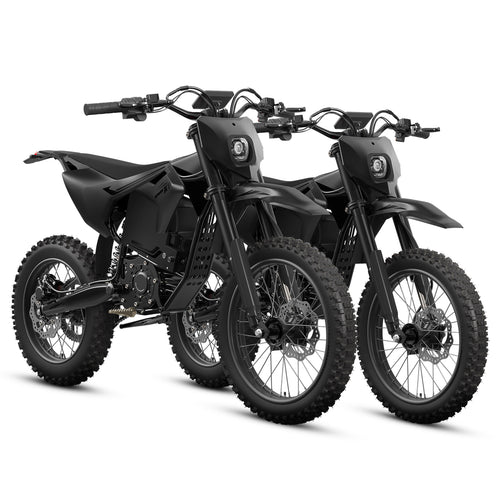
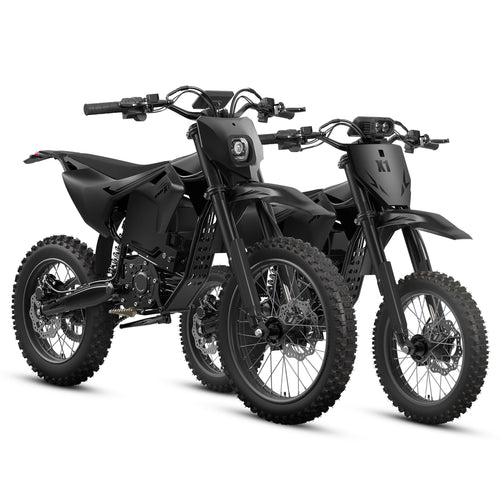


With a budget of $999.99, the Qronge X1 Spark M and Tuttio Soleil01 can easily end up on the same shortlist. Both use a 14-inch front wheel, a 12-inch rear wheel, and a mid-drive motor, and both are designed for riders who want off-road power in a compact platform.
However, the same price does not result in the same configuration. The X1 Spark M places more emphasis on power, battery capacity, and load capacity. At the same time, the Soleil01 uses a lighter overall weight to reduce the effort required for transportation and low-speed adjustments. When comparing an electric dirt bike under $1,000, the key question is not which model has the larger numbers, but which configuration better matches your routes and intended use.
X1 Spark M vs Tuttio Soleil01 Specifications
|
Specification |
Qronge X1 Spark M |
Tuttio Soleil 01 |
|
Current Base Price |
$999.99 |
$999.99 |
|
Motor |
4500W Peak Mid-Drive Motor |
3000W Peak Mid-Drive Motor |
|
Battery |
60V 28.8Ah / 1728Wh |
48V 21Ah / 1008Wh |
|
Peak Torque |
283 N·m |
200 N·m |
|
Top Speed |
50 mph |
40 mph |
|
Maximum Range |
60 miles |
45 miles |
|
Tires |
14" Front / 12" Rear |
14" Front / 12" Rear |
|
Seat Height |
28" |
29.5" |
|
Rider Height Range |
4'0"–5'5" |
4'0"–6'1" |
|
Bike Weight |
143 lbs |
105 lbs |
|
Maximum Load Capacity |
350 lbs |
265 lbs |
X1 Spark M
At the Same $999.99 Price, What Does Each Bike Emphasize?
Although both models are 14/12 electric dirt bikes, their overall configurations are not built around the same priorities.
The X1 Spark M places greater emphasis on power, battery capacity, and load capacity. Its 4500W peak power, 1728Wh battery, and 350 lb maximum load capacity provide more reserve for continuous climbs, longer routes, and heavier loads.
The Soleil01 combines 3000W peak power with a 105 lb chassis. Its lower overall weight makes loading, pushing, and low-speed adjustments easier, especially in garages, on trailer ramps, or at narrow trail entrances where the bike needs to be moved manually.
The differences between the two bikes are not simply about higher or lower specifications, but about different balances among power reserve, battery capacity, and vehicle weight.
What Is the Difference Between 4500W and 3000W on Trails?
When comparing a 4500W vs 3000W electric dirt bike, the power difference should be considered in relation to the route.
On grass, gravel roads, and trails with gentler slopes, a 3000W mid-drive motor can already provide noticeable response during starts and acceleration. The Soleil01’s lighter chassis also reduces the total weight the motor needs to move.
When a route includes continuous climbs, loose terrain, or frequent reacceleration after slowing down, the X1 Spark M’s 4500W peak power and 283 N·m of torque can provide more power reserve. The additional power may also be more noticeable for heavier riders or those wearing protective gear.
Higher output also requires more precise throttle control. Whichever bike you choose, increase speed gradually based on experience, terrain, and riding conditions.
How Does Battery Capacity Affect Range Planning?
The X1 Spark M’s 60V 28.8Ah battery stores 1728Wh, while the Soleil01’s 48V 21Ah battery stores 1008Wh, a difference of 720Wh.
This difference is more useful than comparing the maximum ranges of 60 miles and 45 miles alone. Actual range is also affected by riding speed, elevation, rider weight, temperature, tire pressure, and how often the bike starts from a stop.
A larger battery is suitable for longer continuous rides, routes with limited charging access, or frequent use of higher power output. In comparison, if each ride covers a shorter distance and the battery can be recharged afterward, a smaller-capacity battery may still meet the required range. However, battery capacity alone cannot determine total bike weight, as the motor, frame, suspension, and other components also affect it.
Therefore, when comparing the Qronge X1 Spark M range and Tuttio Soleil01 range, first estimate the length of your regular routes rather than treating the maximum range figures as fixed results.
How Should Seat Height and Bike Weight Be Considered Together?
The X1 Spark M has a 28-inch seat height, while the Soleil01 has a 29.5-inch seat height. The 1.5-inch difference can affect how easily a rider reaches the ground when stopping, starting on slopes, and maintaining balance at low speeds, but seat height should not be considered separately from bike weight.
The X1 Spark M has a lower seat, making it easier for riders with shorter legs to reach the ground, but its 143 lb weight requires more strength to support. The Soleil01 has a slightly higher seat, while its 105 lb chassis is easier to push and lift upright.
When choosing an electric dirt bike for shorter riders, consider inseam length as well as height, and whether the rider can steadily control the bike’s weight when it leans. Riders near the upper end of the recommended height range should also consider knee room, handlebar reach, and freedom of movement when riding in a standing position.
Does Top Speed Determine Real Off-Road Performance?
The X1 Spark M has a top speed of 50 mph, while the Soleil01 reaches 40 mph. Top speed reflects a bike’s performance ceiling, but trail riding more often involves turns, ruts, gravel, and sections with limited visibility.
In these conditions, low-speed throttle response, braking control, tire traction, and the rider’s ability to read the route matter more than maintaining top speed.
Riders who want more speed, have access to a closed riding area, and have the necessary experience may place greater emphasis on the Qronge X1 Spark M top speed. For shorter routes, tighter turns, or recreational riding, how easily the bike can be controlled may deserve more attention.
How Should You Choose Based on Actual Riding Needs?
The same $999.99 budget supports different priorities in these two bikes.
When a route includes continuous climbs, longer distances, or heavier loads, power, battery capacity, and torque directly affect whether the bike can complete the ride consistently. When the bike needs to be loaded and unloaded frequently, moved by one person, or handled at low speeds in tight spaces, overall weight becomes more important.
Seat height should also be considered together with leg length and bike weight. A lower seat can make it easier to reach the ground, while a lighter bike can reduce the effort needed to lift it upright and push it. The better choice depends on which factor most closely matches your everyday use.


