










Electric dirt bikes generally cost less to power and maintain over time, but that doesn't necessarily mean their total ownership costs are lower. For frequent riders, savings on fuel and engine maintenance may gradually offset the difference in purchase price. However, for those who ride only a few times a year, a well-maintained, lower-priced used gas dirt bike may be more economical.
When comparing the long-term costs of an electric vs gas dirt bike, it's important to look beyond charging and fuel expenses. Purchase price, routine maintenance, and potential major repair costs also matter. For riders planning to keep their bikes for 3–5 years, total ownership costs provide a more useful comparison than energy expenses alone.
What Are The Cost Differences Between Electric And Gas Dirt Bikes?
To determine which type of dirt bike costs less to own, it's important to understand the expenses that come after the initial purchase. Electric dirt bikes don't have gas engines, so they eliminate fuel costs, engine oil changes, and certain engine maintenance tasks. Gas dirt bikes, on the other hand, don't have the potential costs associated with traction battery degradation and replacement.
| Cost Category | Electric Dirt Bikes | Gas Dirt Bikes |
|---|---|---|
| Purchase Price | Depends on brand, power, and battery configuration | Prices vary significantly between new and used bikes |
| Energy Costs | Electricity costs based on actual consumption | Fuel costs based on gasoline consumption |
| Engine Maintenance | No gas engine oil changes, spark plug maintenance, or related tasks | Require oil changes, air filter maintenance, and other model-specific services |
| Common Wear Parts | Tires, brakes, chain, suspension, etc. | Tires, brakes, chain, suspension, etc. |
| Major Repair Risks | Battery, motor, controller, etc. | Engine, clutch, transmission, etc. |
| Refueling and Charging | Limited by charging availability and charging time | Faster refueling |
| Resale Value | Depends on battery condition, brand, and market demand | Depends on age, engine condition, and market demand |
Both types of dirt bikes require maintenance for tires, brakes, and suspension systems, so these expenses shouldn't be counted entirely as savings for electric models. The main differences in long-term costs come from energy consumption, powertrain maintenance, and potential major repairs.
Purchase Price: Are Electric Dirt Bikes Always More Expensive?
Not necessarily. The prices of electric and gas dirt bikes depend mainly on the brand, power, bike size, and features rather than simply the type of powertrain. Entry-level electric dirt bikes may cost less than some gas models, while bikes with larger batteries and high-performance motors may cost more than comparable gas dirt bikes.
When comparing purchase prices, it's important to choose bikes with similar intended uses, sizes, and off-road capabilities, while also distinguishing between new and used models. Gas dirt bikes have a more established used market, so buyers on a limited budget may find a bike that meets their performance needs at a lower price. However, a used bike's engine condition, hours of use, and maintenance history can also affect future expenses.
Therefore, buyers should focus on the actual price difference between the two types of bikes. If an electric dirt bike costs more upfront, it's important to calculate whether future savings on energy and maintenance can offset that difference within the planned ownership period.
Charging Vs Gas: How Much Can You Save on Energy Costs Each Year?
Electric dirt bikes generally cost less to power per ride than comparable gas models, but annual savings depend on how often you ride and how much energy you use.
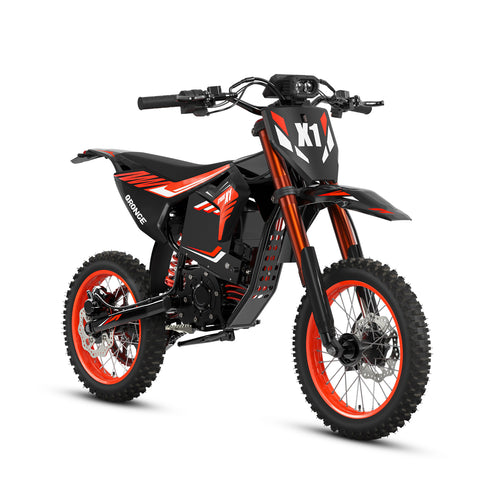
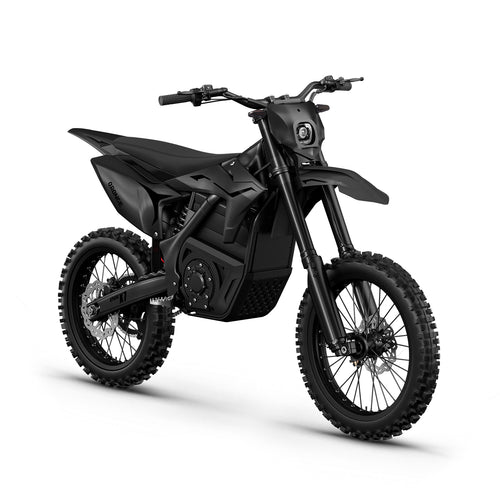
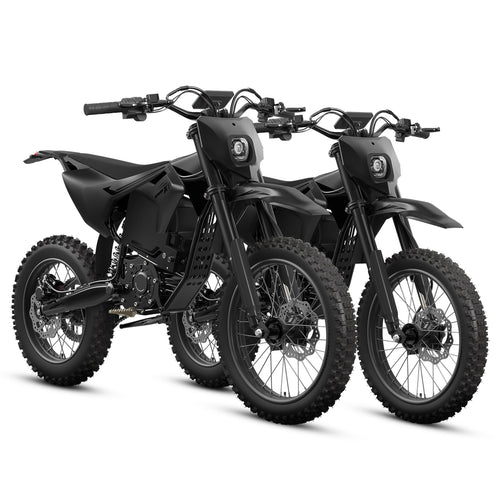
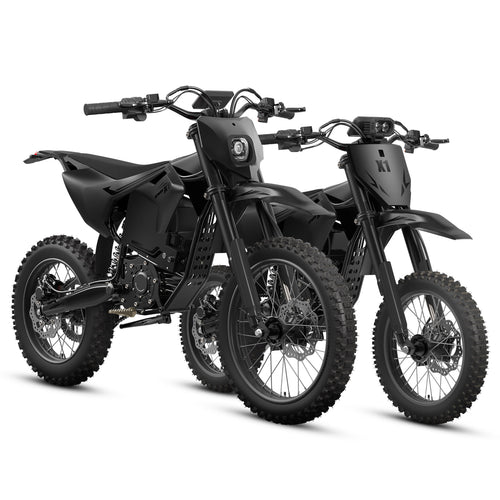
Take the Qronge X1 Spark M, for example. Its battery has a rated capacity of 1,728Wh, or 1.728kWh. Assuming a charge from a low battery level to full capacity draws approximately 2 kWh from the outlet, at an electricity rate of $0.20/kWh, the charging cost would be 2 kWh × $0.20/kWh = $0.40. The 2 kWh figure is an estimate that accounts for charging losses, not an officially tested charging measurement.
To illustrate the difference, assume two dirt bikes complete the same trail ride. The electric bike draws 2 kWh from the grid, while the gas bike consumes 0.8 gallons of gasoline. At an electricity rate of $0.20/kWh and a gasoline price of $3.50 per gallon, their energy costs would be:
| Energy Costs | Electric Dirt Bike | Gas Dirt Bike |
|---|---|---|
| Per Ride | $0.40 | $2.80 |
| 30 Rides per Year | $12 | $84 |
| Over 3 Years | $36 | $252 |
| Over 5 Years | $60 | $420 |
Under these assumptions, the electric dirt bike would save $360 in energy costs over five years. However, these figures are only examples used to demonstrate the calculation, not actual measured energy consumption for two specific models. Fuel consumption on a gas dirt bike varies with engine displacement, terrain, and throttle use. Electric dirt bikes also consume more energy when riding through sand, climbing hills, or operating in high-power modes.
This means that the more frequently you ride, the more the difference in energy costs can add up. However, for riders who only go out a few times a year, savings on electricity and gas alone may not be enough to influence their purchasing decision.
Maintenance Costs: Are Electric Dirt Bikes Really Easier To Maintain Than Gas Models?
The main maintenance advantage of electric dirt bikes is that they eliminate certain routine gas engine maintenance tasks, not that they require no maintenance at all.
Gas dirt bikes require oil changes, air filter cleaning, spark plug inspections, and other engine maintenance depending on the engine type and riding intensity. High-performance racing models may have shorter maintenance intervals. For example, the official maintenance schedule for the 2025 Honda CRF250R/RWE includes inspections or replacements of engine oil, oil filters, pistons, chains, and suspension components. However, the maintenance requirements of these racing bikes shouldn't be applied to all recreational gas dirt bikes.
Electric dirt bikes eliminate engine oil changes, spark plug maintenance, and fuel system servicing, but chains and sprockets still wear out, brake pads still need replacement, and suspension components require inspection or maintenance based on riding conditions. Some electric bikes also have specific lubrication requirements for their drivetrains, so owners should follow their model's owner's manual.
For riders who frequently ride through mud, sand, and gravel, maintenance differences involve not only costs but also time. Fewer engine maintenance tasks mean more time available for riding. However, if an electrical control system or battery fails, repairs may require specialized equipment and professional technicians.
Further Reading: Want to know which electric dirt bike components need maintenance and how often to check them? Read Electric Dirt Bike Maintenance Checklist: What to Maintain and How Often.
Battery Life: Could Replacement Costs Wipe Out Your Savings?
Battery life is an important factor in the long-term ownership costs of an electric dirt bike. Batteries gradually degrade with use and age, but a decline in capacity doesn't necessarily mean the battery needs to be replaced immediately. Owners may face significant expenses only when the bike's actual range no longer meets their riding needs or a fault requires repair.
Battery life is affected by charge and discharge cycles, storage temperature, riding intensity, and maintenance practices. Frequent use in high temperatures, improper long-term storage, or using incompatible charging equipment can all affect battery condition. Therefore, it's not accurate to assume that a battery must be replaced after three or five years.
Before purchasing, it's best to confirm three things: the cost of replacing the complete battery pack, whether the warranty covers battery-related failures, and whether compatible replacement parts will still be available several years later.
Gas dirt bikes also carry the risk of major repair expenses, such as engine or transmission failures. Therefore, when comparing long-term ownership costs, potential repair expenses shouldn't be calculated for only one type of dirt bike.
How Much Can An Electric Dirt Bike Save Over 3–5 Years?
The true long-term cost should include the purchase price, energy costs, maintenance, repairs, and resale value, rather than simply adding up annual fuel expenses.
Total Cost of Ownership = Purchase Price + Energy Costs + Maintenance Costs + Repair and Replacement Costs − Resale Value.
Assume an electric dirt bike costs $500 more upfront than a gas dirt bike with a similar intended use, and both are ridden 30 times per year. Based on the previous energy consumption example, the electric bike would save $72 annually in energy costs. If its routine maintenance costs are also $100 lower per year, the combined savings would total $172 annually.
| Cost Comparison | Over 3 Years | Over 5 Years |
|---|---|---|
| Energy Cost Savings | $216 | $360 |
| Routine Maintenance Savings | $300 | $500 |
| Total Savings | $516 | $860 |
| Savings After the $500 Purchase Price Difference | $16 | $360 |
Under the same assumptions, if an additional $500 is spent on battery repair or replacement in the fifth year, the original five-year savings of $360 would turn into a total ownership cost $140 higher than that of the gas dirt bike. The $500 figure is used only to illustrate how additional repair expenses affect the calculation and does not represent the battery replacement cost of any specific model.
This example shows that the daily operating cost advantages of electric dirt bikes can add up over time, but whether they actually save money depends on the purchase price difference, the lifespan of major components, and resale value. Therefore, actual comparisons should be based on specific model prices, maintenance records, and expected riding frequency rather than simply applying the savings figures from this example.
Which Riders Are Better Suited for Electric Dirt Bikes?
Electric dirt bikes offer a clearer long-term cost advantage for riders who enjoy recreational off-road riding every week, have a reliable place to charge, and want to reduce engine maintenance. If they ride in relatively consistent areas and their routes stay within the bike's actual range, they may not need to purchase an extra battery.
However, the situation is different for riders who primarily take long, extended off-road trips without access to charging along the way. Buying a spare battery, portable power station, or other charging equipment to extend riding time adds to the upfront cost. Gas dirt bikes offer different conveniences, allowing riders to carry extra fuel or refuel at suitable locations.
For those who only ride a few weekends a year, the purchase price, bike condition, and long-term storage costs may matter more than energy expenses. In this case, both a well-maintained used gas dirt bike and an affordable entry-level electric dirt bike with sufficient range are worth considering.
Electric Vs Gas Dirt Bikes: Which Should You Choose for Long-Term Ownership?
If you prioritize lower daily energy costs, fewer engine maintenance tasks, and weekend off-road riding in designated areas, an electric dirt bike is worth considering first. For riders with limited budgets, those who ride less frequently, or those who regularly take long-distance off-road trips, gas dirt bikes still offer practical advantages.
In the long run, which type of dirt bike costs less to own largely depends on whether savings from regular use can gradually offset the difference in purchase price. Frequent riders with convenient access to charging are more likely to benefit from the cost advantages of electric dirt bikes, while occasional riders or those with limited refueling or charging options should place greater importance on upfront costs and convenience.


