









 0% APR Financing
 1-Year Warranty
 15-Day Trial
 Free Shipping
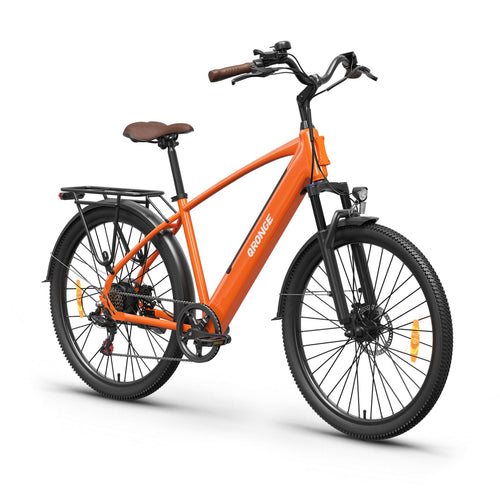
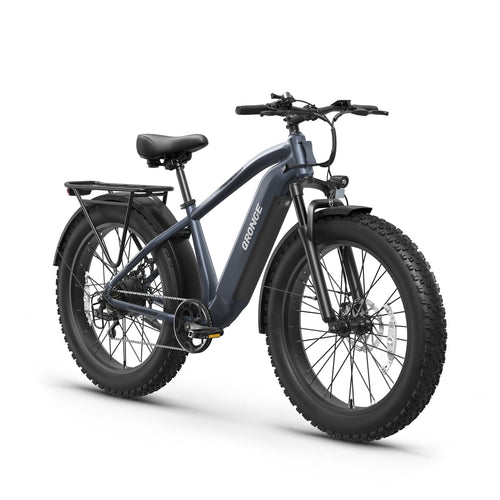
Class 2 Ebikes


Class 2 Ebikes FAQs
A Class 2 electric bike is an e-bike equipped with a throttle that can be propelled directly by the motor, with motor assistance limited to no more than 20 mph.
Yes. Class 2 electric bikes have a throttle that allows the motor to propel the bike without pedaling, while pedal assist can also be used. The throttle is especially useful for starting, stop-and-go riding, hill starts, or when you want to reduce pedaling for a while; on longer rides, you can switch between throttle and pedal assist as needed.
The main differences between the three classes are how the motor provides assistance and the speed at which motor assistance cuts off. Class 1 e-bikes provide pedal assistance up to 20 mph. Class 2 e-bikes add a throttle, allowing the motor to power the bike without pedaling, with motor assistance up to 20 mph. Class 3 e-bikes primarily use pedal assist, with motor assistance up to 28 mph. E-bike classifications and riding rules can vary by state and local area, so check local regulations before riding.
Class 2 electric bikes are commonly used on city streets, bike lanes, and other areas where e-bikes are allowed, but specific rules vary by state, city, park, and trail. Some riding areas allow only Class 1 e-bikes or have additional restrictions on throttle-equipped models. Before riding in parks, shared-use paths, mountain bike trails, or other managed areas, check the local rules for Class 2 electric bikes.
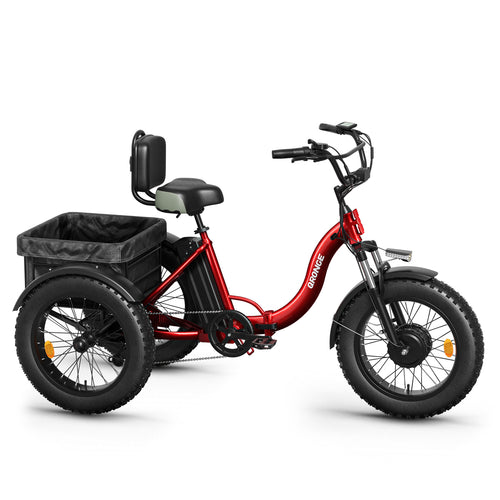
Range varies by model. The Mirage offers up to 70 miles of range on a single charge, while the Lava electric trike offers up to 75 miles. Actual range can be affected by rider weight, assist level, throttle use, terrain, hills, temperature, and load. Lower assist levels and more active pedaling can generally help extend riding range on a single charge.
Yes. Eligible Qronge e-bike orders support installment payments. Available payment options and terms are shown at checkout.
Qronge e-bikes include free shipping, a 15-day trial, and a 1-year warranty. Shipping times, return conditions, and warranty coverage are subject to the current policies.


