




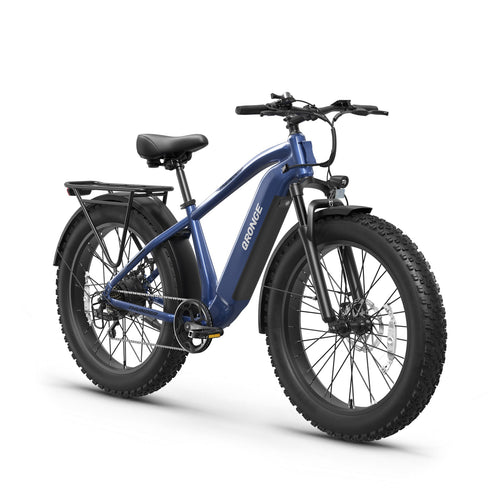
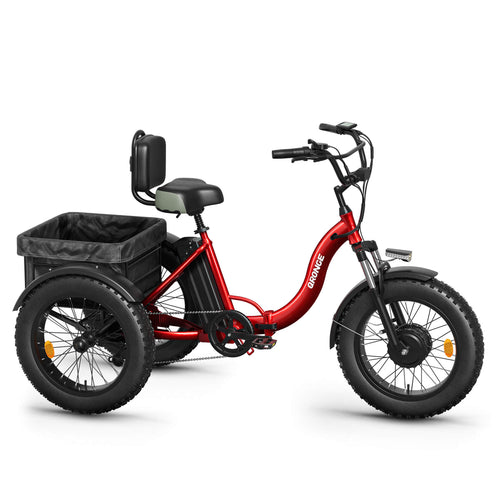
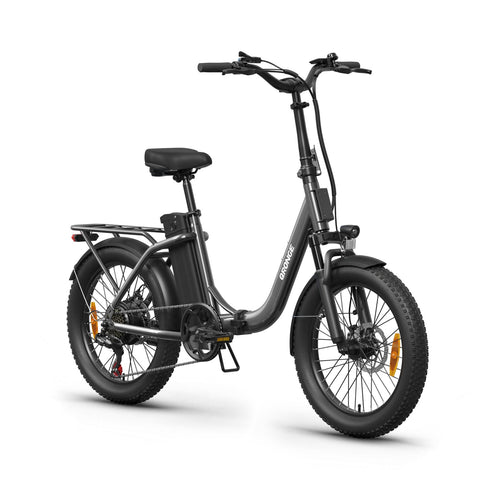
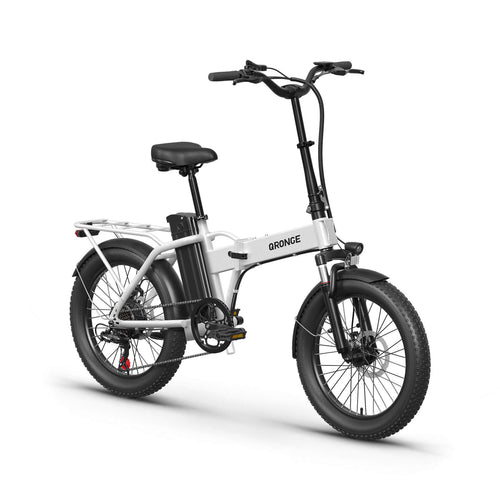




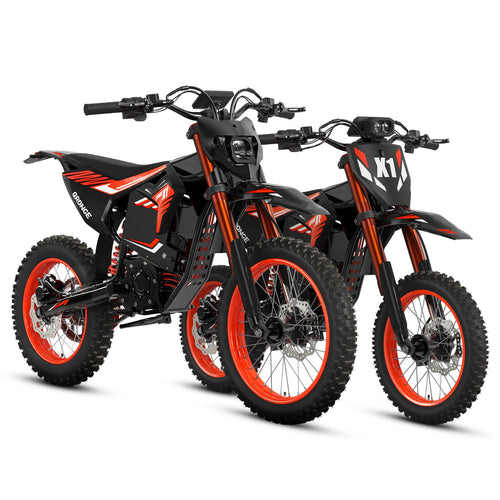
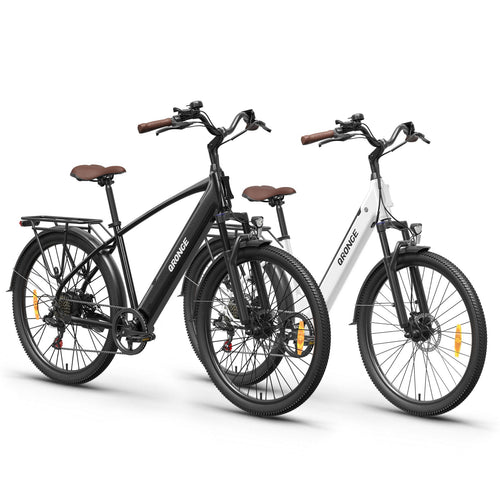


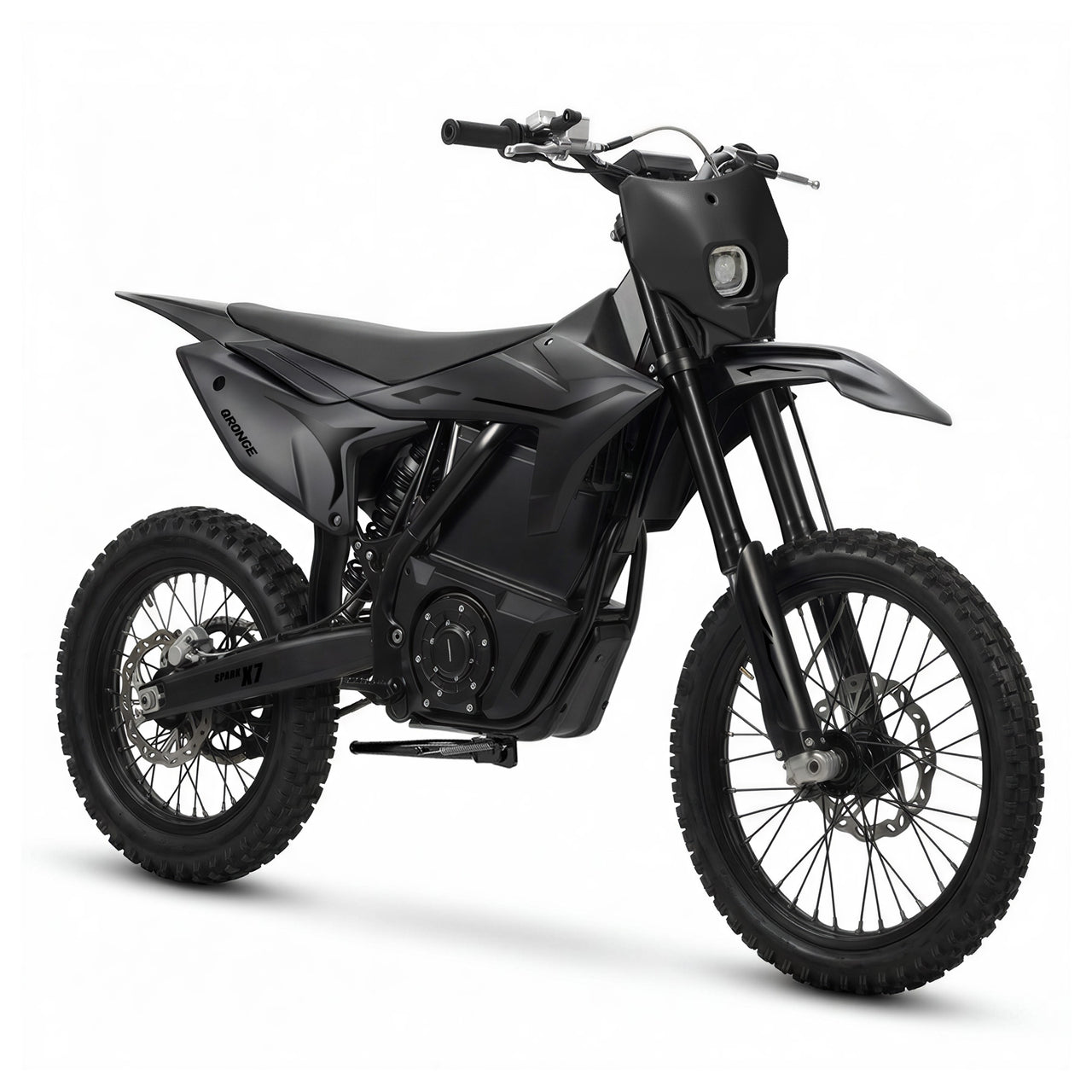


When buying an electric bike, many riders first look at range, speed, motor power, and price. But what really decides whether an e-bike can be ridden with confidence is not only its specs, but also the specific laws in your state.
E-bike definitions, speed classes, helmet requirements, age limits, and approved riding areas vary by state. Some states have more flexible rules, allowing electric bikes that meet Class 1, Class 2, or Class 3 standards to be used much like regular bicycles. Others have more detailed requirements for Class 3 models, minors, helmets, and path access.
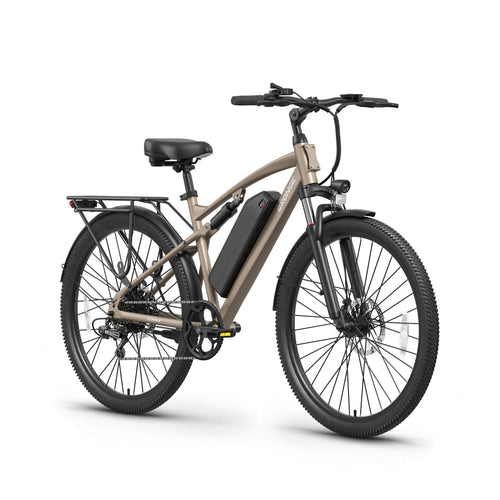
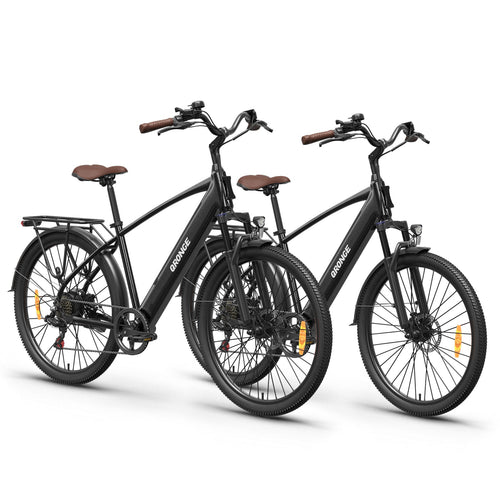
If you plan to use an electric bike for work, school, short errands, or city riding, choosing a compliant commuter electric bike is more practical than simply chasing speed. A truly useful daily ride should not only be fast, but also legal, stable, and safe on your everyday routes.
What Makes an E-Bike Compliant?
Most states refer to a three-class system:
Class 1 is usually pedal-assist, meaning the motor only provides assistance when the rider is pedaling, with a typical maximum assisted speed of 20 mph.
Class 2 usually supports throttle control, with a typical maximum electric-assisted speed of 20 mph.
Class 3 is usually a higher-speed pedal-assist model, with a typical maximum assisted speed of 28 mph.
Beyond speed, many states also look at motor power, pedal structure, and vehicle labeling. A common compliance standard is that the bike keeps operable pedals, the motor power is usually no more than 750W, and the speed limit has not been privately unlocked. If the vehicle speed is too high, the motor power is too strong, or the bike has no pedals, it may no longer be considered a regular electric bike and may instead be classified as a moped, motor-driven cycle, or motorcycle.
Quick Reference: State E-Bike Road Legality Rules
|
State Group |
Can a Compliant E-Bike Be Legally Ridden on the Road? |
Key Restrictions |
|
Alabama, Arizona, Arkansas, Colorado, Delaware, Florida, Idaho, Illinois, Iowa, Kansas, Michigan, Minnesota, Nevada, New Hampshire, Oklahoma, South Dakota, Vermont, Wisconsin, Wyoming |
Usually legal to ride on the road |
Most use the Class 1/2/3 system. Compliant models generally do not require a driver’s license, registration, or insurance. Class 3 may have age limits, and rules for some bike lanes, trails, and sidewalks are decided locally. |
|
California, Georgia, Indiana, Louisiana, Maine, Maryland, Ohio, Oregon, Tennessee, Texas, Utah, Virginia, Washington, West Virginia |
Legal to ride on the road, but with more detailed restrictions |
Most use the three-class system, but there are more requirements for Class 3, helmets for minors, minimum riding age, and path access. Some states or cities may restrict Class 3 from shared paths, sidewalks, or certain recreational trails. |
|
Connecticut, Hawaii, New Jersey, New York, Pennsylvania, Rhode Island |
Legal to ride, but should be checked carefully before buying |
These states are more sensitive to registration, age, helmets, vehicle classification, speed limits, or road access. Some areas may require registration, insurance, or stricter conditions for Class 2/3 use. |
|
Alaska, Kentucky, Massachusetts, Mississippi, Missouri, Montana, Nebraska, New Mexico, North Carolina, North Dakota, South Carolina |
Usually legal to ride, but the classification is not fully unified |
Some states do not fully use the standard three-class system and may use 20 mph, 750W, or other custom definitions. As long as the vehicle meets local e-bike standards, it can generally be used under bicycle rules; models that exceed speed or power limits, or have no pedals, may be reclassified. |
Why Is Class 3 More Likely to Face Restrictions?
Compared with Class 1 and Class 2, Class 3 has a higher assisted speed, so it receives more attention in many states. It is better suited for riders with some riding experience, longer commuting distances, and a need for higher riding efficiency, but it is also more likely to face age, helmet, and path restrictions.
Some states require Class 3 riders to meet a specific age requirement, while others require Class 3 riders to wear helmets. Some places also do not allow Class 3 e-bikes on shared recreational paths or pedestrian areas. This does not mean Class 3 cannot be ridden; rather, its speed characteristics make it closer to a high-efficiency road commuting tool.
If your main routes are city roads, bike lanes, and fixed commuting routes, Class 3 can improve efficiency. If your routes include park greenways, campus roads, community pedestrian areas, or recreational trails, Class 1 or Class 2 is usually easier to fit into daily use.
Thunder Ebike
Why Are Helmet and Age Requirements Important?
Many riders easily overlook helmet and age rules. Some states only require minors to wear helmets, while others require Class 3 riders to wear helmets. Some places may also set stricter safety requirements for all e-bike riders.
Age rules are just as important. Some states allow teens to ride Class 1 or Class 2 e-bikes, but do not allow riders below a specific age to operate Class 3 models. For family users, if you are planning to buy an electric bike for a teen or student, you should first confirm local age and helmet requirements instead of only looking at frame size and range performance.
Where Might You Not Be Allowed to Ride?
Even if state law allows a compliant e-bike to be ridden on the road, that does not mean it can be ridden everywhere. City sidewalks, school areas, park greenways, natural trails, coastal paths, and state parks often have separate rules.
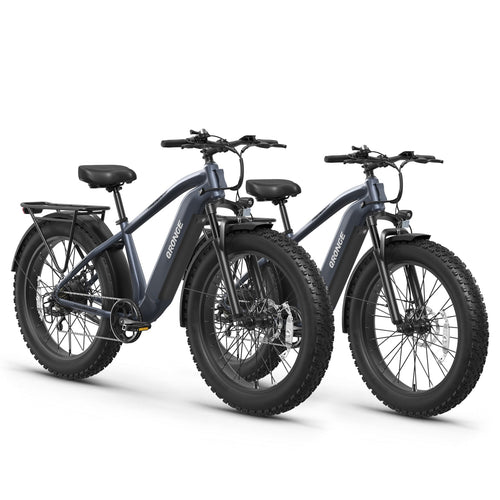
Some places allow Class 1 but do not allow Class 2 or Class 3. Some places allow regular bicycles, but do not allow motor-assisted models to enter natural trails. Users who enjoy gravel roads, coastal rides, or light outdoor routes can consider a fat tire ebike, but wider tires improve rideability and do not provide extra access rights.
Will Modifications Affect Legality?
Yes. Unlocking the speed limit, upgrading to a high-power motor, removing the pedals, changing the controller, or making the vehicle clearly exceed the local e-bike definition may cause it to lose its original electric bike status.
Once the vehicle is reclassified, the rider may need a driver’s license, license plate, registration, or insurance, and may even be unable to access routes that originally allowed bicycles. For daily users, keeping the original compliant setup is usually safer than blindly chasing higher speed, and it is also better for long-term use.
Zephyr ebike
Confirm These 4 Things Before Buying
- First, confirm whether the vehicle belongs to Class 1, Class 2, or Class 3.
- Second, confirm whether the motor power, maximum assisted speed, and pedal structure meet the local definition.
- Third, confirm whether your city restricts riding on sidewalks, in parks, on campuses, or on shared paths.
- Fourth, confirm the rider’s age and helmet requirements, especially for Class 3 and teen riding scenarios.
Checking these details in advance can reduce the risk of buying the wrong bike, riding on the wrong route, or violating local rules.
Choose the Right Model and Start Riding with a Lower Budget
Electric bikes can be legally ridden on the road in most states, but only if the vehicle meets local definitions and riders follow age, helmet, road, and local path rules. Before buying, check the rules first, then choose a model that fits your riding needs to avoid buying, riding, or using the wrong bike.


