


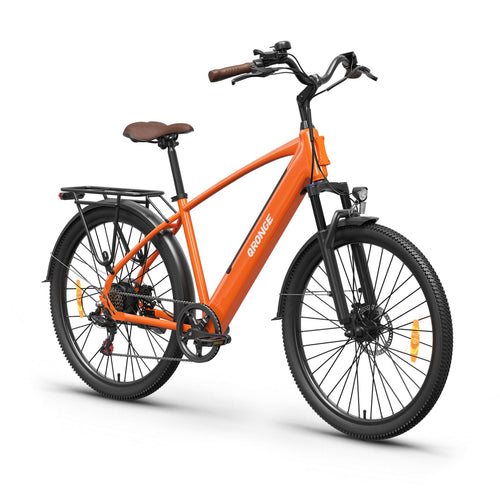

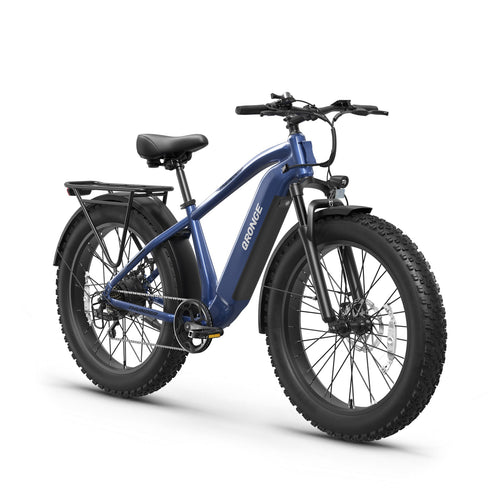
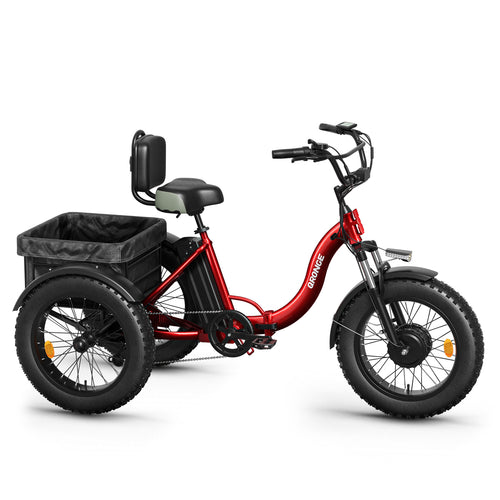
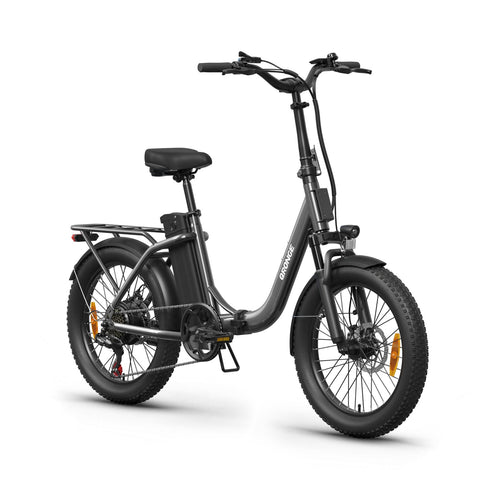

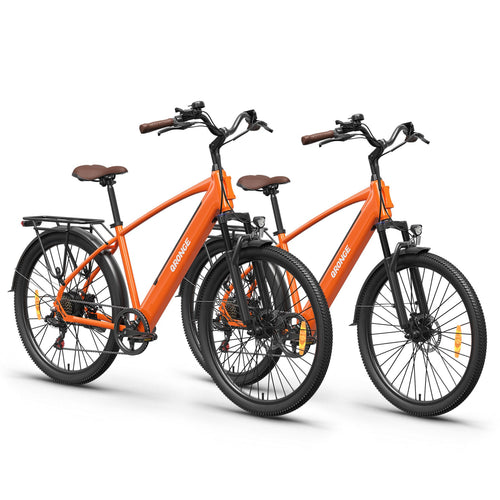

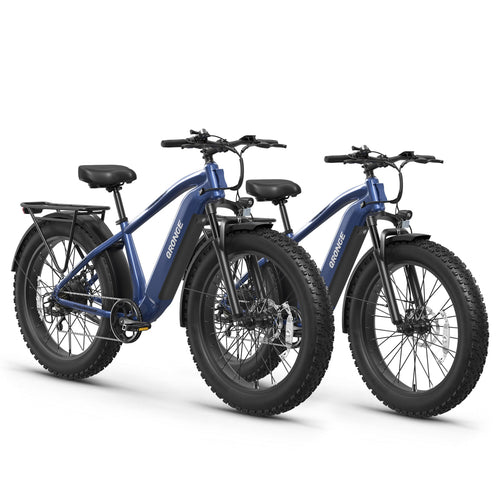
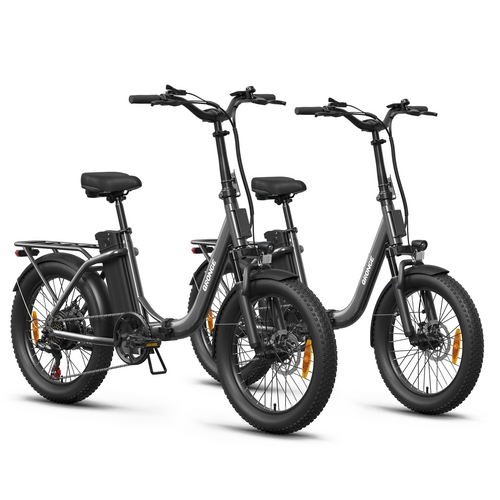
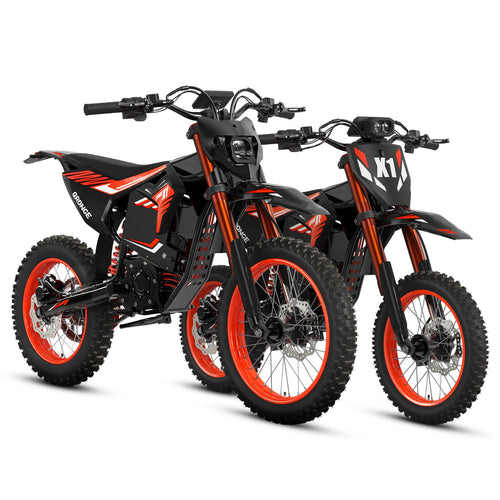




When working with a limited budget, many riders first compare price, peak power, top speed, and range. A lower price with higher specifications may seem like the better value.
However, once you start riding on trails, gravel roads, or hills, the experience usually depends less on one impressive number and more on how well the battery, power, tires, brakes, suspension, and bike size work together. A bike may have high motor power but insufficient battery capacity, a high top speed but excessive weight or mismatched brakes, or impressive range when the rider only needs it for short trips. In these cases, the budget may not be spent effectively.
Therefore, when choosing a budget-friendly electric dirt bike, the goal is not simply to find the lowest price. It is to understand which features will make a real difference in everyday riding.
When Comparing Batteries, Wh Is More Useful Than Ah Alone
When comparing different batteries, looking only at Ah can be misleading. The amount of energy a battery can store can be estimated by multiplying voltage by capacity:
- 48V 21Ah is about 1008Wh
- 60V 28.8Ah is about 1728Wh
- 60V 50Ah is about 3000Wh
- 72V 50Ah is about 3600Wh
For example, a 60V 28.8Ah battery stores about 1728Wh, while a 60V 50Ah battery stores about 3000Wh. The latter provides about 74% more energy. For short, light rides, that extra capacity mainly provides more range for the return trip. On longer trails, repeated hills, or when using higher-power modes, the difference in capacity has a greater effect on riding time.
However, a higher Wh rating does not mean every rider needs the largest battery. Larger batteries usually add weight and increase the purchase price. When choosing a long-range electric dirt bike, it is more practical to leave about 20% to 30% extra range for your usual routes rather than focusing only on the highest range figure.
Match Power and Torque to the Terrain
Power and torque are both related to performance, but they are not the same.
Peak power reflects the bike’s output under short periods of high load, while torque has a more direct effect on starting, low-speed climbing, and riding through high-resistance surfaces such as mud and sand.
Using 4500W, 6000W, and 12000W as examples:
- 4500W is better suited to light trails, campground riding, and riders who value manageable power.
- 6000W can balance adult trail riding, gradual hills, and longer-distance rides.
- 12000W is better suited to complex terrain that requires strong power response, steep-hill capability, and more high-performance reserve.
This does not mean one level is simply better than another. Different power levels are designed to solve different riding needs. If your usual routes are relatively flat, higher peak power may not be used on every ride. If you often face steep hills, soft ground, and repeated elevation changes, additional power and torque provide more practical value.
Wheel Size and Bike Weight Affect How Easy the Bike Is to Control
Wheel size affects more than terrain capability. It also influences seat height, steering, and low-speed handling.
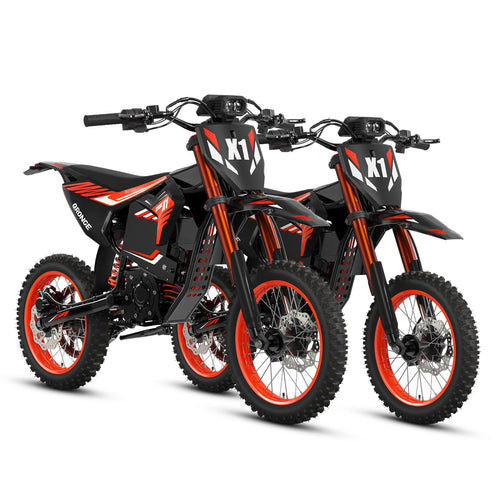
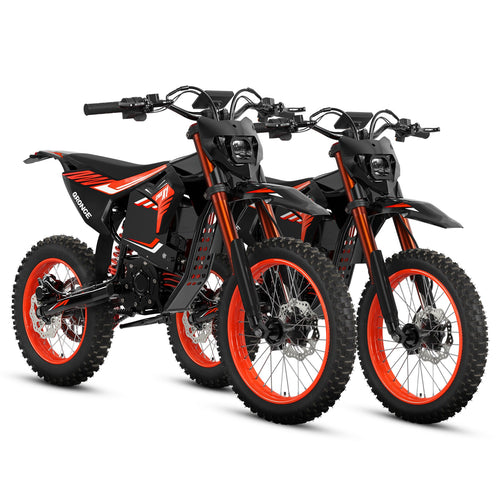
A 14"/12" wheel setup is usually more compact, making it suitable for smaller riding areas and situations where low-speed agility matters. A 17"/14" setup can provide a more spacious riding position and better basic terrain capability. A 19"/16" or 19"/17" setup is better suited to adult trail riding and more challenging surfaces, but riders also need to be comfortable with a taller bike.
The difference in bike weight is just as noticeable. A bike weighing around 143 pounds and one weighing more than 200 pounds will feel different when supporting the bike at a stop, turning at low speeds, or handling it after it gets stuck in soft ground.
Therefore, when choosing an electric dirt bike for beginners, motor power should not be the only consideration. Being able to get on and off easily, stop with confidence, and control the bike at low speeds is often more important than having several thousand additional watts of peak power.
Match the Brakes, Tires, and Suspension to the Route
Power determines whether the bike can accelerate, while the tires and brakes determine whether that power can be controlled steadily.
Gravel and wet surfaces can reduce tire traction. Long descents place more demand on the brakes, while potholes, drops, and repeated bumps test the suspension’s support and rebound. If a bike delivers high speed and torque without matching tires and braking performance, the rider may face greater demands on control.
However, this does not mean every rider needs the highest-level components.
Smooth dirt roads and light trails place less demand on long-travel suspension and tires designed for challenging terrain. If you regularly ride on gravel and mud, and on rough routes, spending more on tires, brakes, and suspension becomes more worthwhile.
When working with a limited budget, prioritize traction and braking performance for the surfaces you ride most often before deciding whether you need a higher top speed.
Further Reading: To learn more about how different power levels affect climbing, range, and handling, read 4500W vs 6000W Electric Dirt Bike: What’s the Real Difference?
Spend Your Budget on the Performance You Use Most
A practical budget should not start by labeling bikes as “entry-level” or “high-end.” It should start with identifying which features you will use on nearly every ride.
A properly sized bike affects mounting, dismounting, and low-speed control. A battery that can cover the round trip affects every route plan. Tires and brakes that match the terrain affect turning, descending, and stopping. These frequent-use needs should come first.
As riding distances increase, a larger battery provides more route flexibility. When steep hills and soft ground become more common, higher torque becomes more valuable. When repeated potholes and drops are part of the route, upgrading the suspension becomes more relevant.
There is no need to compare every model by stacking up the highest specifications. Identify the two or three problems you face most often, then look for the features that solve them. This is more practical than sorting bikes from low to high by power or price.
Look Beyond the Purchase Price and Consider Long-Term Costs
The purchase price is only one part of the total cost.
If the tires do not suit the routes you ride most often, they may need to be replaced later. If the battery capacity is not enough, your riding range will be limited. If replacement parts are difficult to find, maintaining the chain, brake pads, charger, and battery may also cost more.
Before choosing a bike, confirm these three points:
- Can the battery cover your regular routes with 20% to 30% remaining?
- Are the bike height, wheel size, and weight within the rider’s control?
- Are the tires, brakes, and suspension suitable for the main riding surfaces?
A truly cost-effective electric dirt bike should not only have a reasonable purchase price. It should also reduce unnecessary upgrades and replacements during long-term use.
The Right Features Are What Truly Save Your Budget
A limited budget does not mean lowering every requirement. It means setting more accurate priorities.
Start with the battery and power needs for your routes. Then choose the wheel size and bike dimensions based on height and experience. Finally, check the brakes, tires, suspension, and parts support. The bike you choose may not have the highest specifications, but it will better match the way you actually ride and be easier to use over time.


