


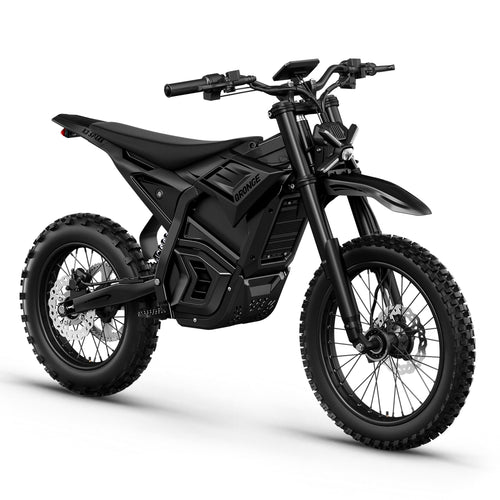
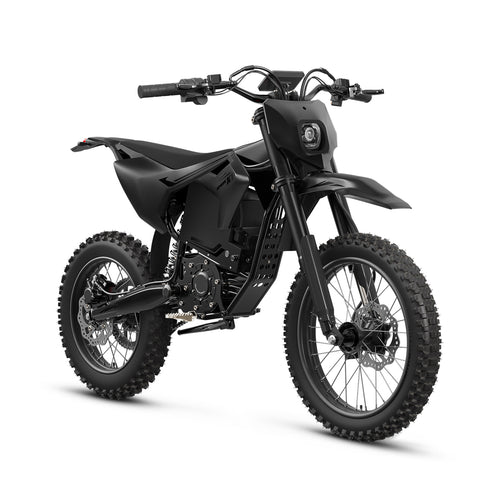
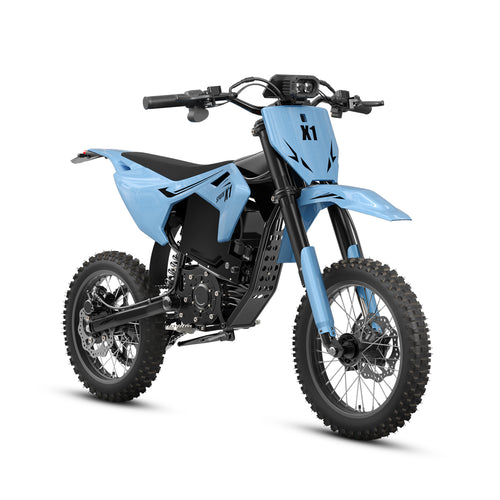



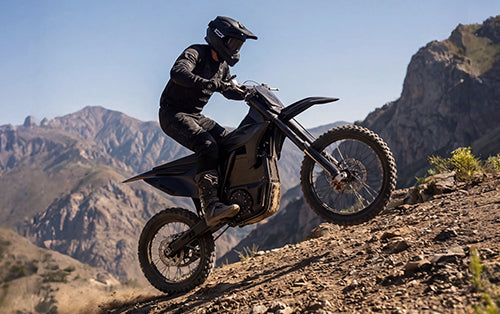

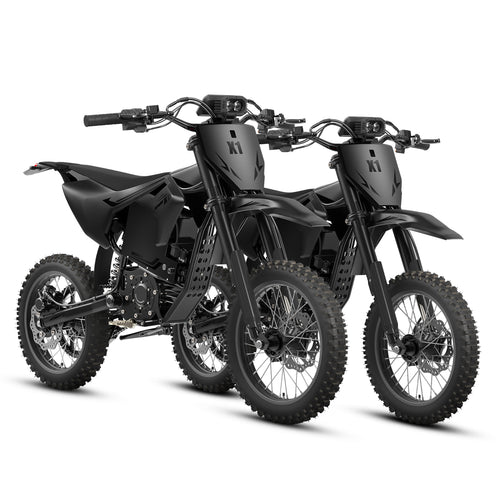
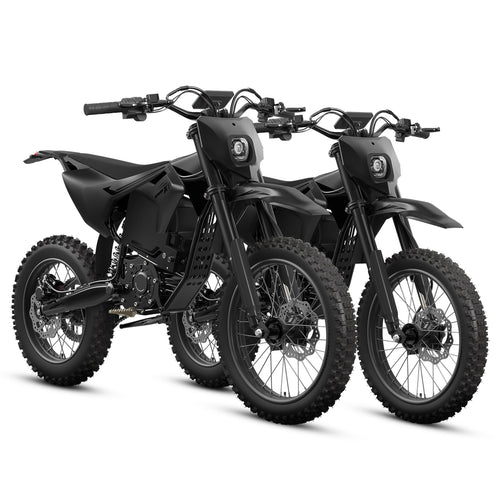
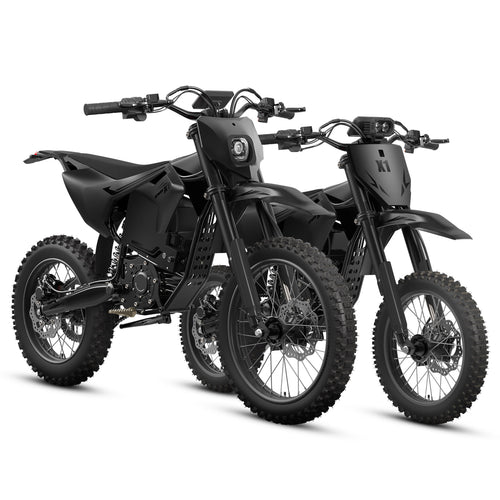


Whether an electric dirt bike can go through water depends on the specific model’s protective design and the manufacturer’s operating guidelines. Being able to handle rain or brief splashes does not mean it can cross streams, nor does it mean the battery, motor, and controller can be submerged. If the manufacturer has not specified permitted water-crossing conditions, avoid routes that require submersion.
When assessing the conditions, don’t just check whether the water reaches the battery. Connector locations, water pressure, exposure time, and the condition of the bike’s seals also matter. Rain, mud, water crossings, and washing all expose the bike to water, but each requires different considerations.
How Do Rain, Mud, Water Crossings, and Washing Differ?
|
Scenario |
How Water Contacts the Electric Dirt Bike |
Main Considerations |
|
Riding in rain |
Raindrops fall on the bodywork, and tires kick up spray |
Permitted wet-weather use, connector condition, visibility, and traction |
|
Riding in mud |
Water mixes with dirt and grit, clinging to component surfaces and gaps |
Mud buildup, drivetrain wear, and cleaning around brakes and suspension seals |
|
Puddles or streams |
Water continuously contacts or submerges low-mounted components |
Manufacturer’s water-crossing limits, water depth, current, bottom conditions, and component locations |
|
Washing |
Water is directed at a specific area |
Spray pressure, direction, and whether it directly hits connectors and seals |
Water on the bodywork is different from water entering electrical housings or connections. An electric dirt bike’s ability to operate in rain does not prove it can withstand submersion or pressure washing. When checking an IP rating, confirm whether it applies to the entire electric dirt bike or individual components, such as the battery or motor. An IP rating describes an enclosure’s protection under specified test conditions; it cannot be directly translated into a safe water-crossing depth for the entire electric dirt bike.
How Can You Tell Whether You Can Cross a Puddle or Stream?
Even a shallow-looking puddle can hide ruts or loose rocks. Deciding whether to cross requires considering both the electric dirt bike’s limitations and the conditions—not just how far the water is below the battery.
First, Confirm Whether the Model Allows Water Crossings
Check the owner’s manual to determine whether it permits rain, splashes, or water crossings under specified conditions. If it only mentions splash resistance without providing water-crossing guidance, do not treat them as equivalent. Even if one component has a water-resistance rating, check the operating limits of other electrical components and connections. Power, voltage, torque, and tire size can affect off-road performance, but they do not establish water-crossing capability.
Check the Water Depth, Bottom, and Exit
Murky water can hide ruts, loose rocks, and sudden drop-offs. A shallow entry does not mean the middle and exit are equally shallow; another vehicle making it through does not prove your model can. If you cannot confirm the depth, whether the bottom provides firm support, or the exit conditions, go around. Do not accelerate into the water to test it, or judge solely by the standing water level, as splashes while moving may reach higher connectors and components.
Consider the Current and the Risk of Tipping Over in the Water
Streams also involve currents, soft bottoms, and hidden obstacles. If the electric dirt bike loses balance and tips over, components that were above the waterline may become submerged. Even when a crossing looks easy, the model’s permitted operating conditions and riding-area rules still apply. If a water crossing along the route cannot be assessed, changing routes beforehand is safer than entering and then trying to back out.
Further reading: To learn what else to check before heading out, read: What Should You Check Before Your First Electric Dirt Bike Ride?
What Should You Watch for When Riding in Rain or Mud?
Riding in Rain: The Bike May Still Run Even When the Trail Is No Longer Suitable
If the model permits wet-weather use, check the charging port cover, battery mounting hardware, and visible wiring before heading out. Address any missing connector covers, cracked housings, or damaged wiring first.
Ground conditions also create challenges in the rain. Slippery roots, rock surfaces, and muddy ruts can make familiar routes harder to navigate. Slow down, brake earlier, and avoid sudden acceleration or sharp turns. Change routes or stop riding if visibility is poor, standing water obscures the trail, or traction drops noticeably. Normal power delivery does not mean the terrain is suitable to continue.
Riding in Mud: Focus on Areas Where Mud and Grit Accumulate
Muddy terrain exposes the electric dirt bike to both water and grit. After riding, do more than wipe down the bodywork. Check:
- Chain and sprockets: Remove trapped mud and grit, and check for binding, rust, or excessive slack.
- Brakes: Check for mud and grit buildup, and note any changes in braking power or lever feel.
- Suspension seals: Remove accumulated dirt and check for new oil residue or unusual movement.
- Battery and external wiring areas: Check for standing water, damage, or loose connections.
Remove dirt before assessing component condition. Cracks, wiring damage, and oil residue hidden by mud are usually easier to spot after cleaning. After riding in mud and water, inspect the bike sooner based on how dirty it is rather than waiting for the scheduled maintenance date.
How Do You Clean an Electric Dirt Bike After a Ride?
The goal of washing is to remove mud and grit, not force water into every gap. Do not direct high-pressure water at battery connectors, electrical connections, or sealed areas. Qronge’s maintenance guide also explicitly advises against this cleaning method.
Follow the cleaning instructions for your specific model and work through these steps:
- Turn off the power and let components cool. Do not clean the drivetrain or electrical areas while the power is on, or wash the bike immediately if it is unusually hot.
- Handle the battery and connectors according to the manual. If the model requires battery removal, protect the exposed connectors and battery compartment.
- Use a soft brush and damp cloth to remove mud and grit. Avoid spraying directly around the display, throttle, switches, and connectors.
- Use a gentle stream of water only if the manufacturer permits it. Avoid electrical connections, bearings, and suspension seals. Do not use a pressure washer to clean gaps.
- Dry, inspect, then care for the chain. Lubricate as specified for the chain and wipe off excess oil, keeping it away from brake rotors and pads.
Choose the Right Bike for Your Next Off-Road Ride
Whether an electric dirt bike can go through water depends on the model’s requirements and the conditions at the crossing. When choosing a bike, consider your usual routes: whether the bike fits, the power is manageable, and the brakes and suspension suit the terrain you regularly ride. These are the capabilities you’ll use on every outing.


