





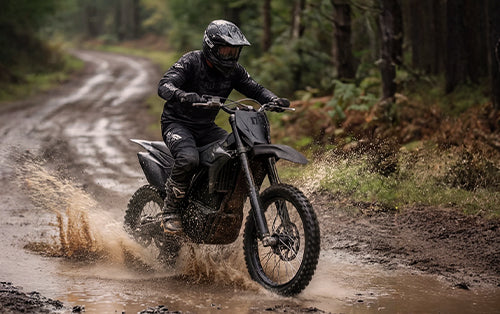





Today, more teens are becoming interested in electric dirt bikes. Compared with regular bicycles, they offer a stronger sense of outdoor exploration. Compared with traditional gas-powered dirt bikes, they are quieter, more modern, and better suited for family outdoor fun, trail exploration, and campground riding.
But for parents, buying an electric dirt bike should not be based only on appearance, speed, or price. What truly matters is whether the child is ready to ride, whether the bike’s power is easy to control, where it should be ridden, whether proper safety gear is prepared, and whether the bike can support the child from basic riding to more confident outdoor riding.
Before choosing a youth electric dirt bike, parents should consider the rider, bike size, power performance, riding environment, and safety habits together.
Start With the Rider, Not the Bike Specs
When choosing a bike, many parents first look at top speed, motor power, and riding range. But for teen riders, the first step should be deciding whether the child is ready for this type of vehicle.
Age is only one reference point and does not fully determine whether a child is ready to ride an electric dirt bike. Parents also need to consider height, weight, strength, balance, and basic riding experience. If the child already rides mountain bikes, BMX bikes, bicycles, or has tried light outdoor riding, they will usually adapt more easily to the handling of an electric dirt bike.
Parents also need to judge whether the child can follow riding rules. For example, can they slow down when asked, stay within a designated riding area, listen to parental guidance, and understand that an electric dirt bike is not a regular toy? These questions are just as important as bike specifications.
A model suitable for teens should help the rider build basic confidence from the first ride. The child should be able to hold the handlebars naturally, operate the brakes smoothly, and control the bike steadily at low speed, instead of feeling that the bike is too tall, too heavy, or too difficult to manage.
Controllable Power Matters More Than Extreme Speed
Speed does attract attention, but what truly defines the riding experience is whether the bike is easy to control.
For teen riders, the right model is not necessarily the fastest one. It is the one with smoother power delivery, more natural starts, better low-speed stability, and easier braking control. If the bike accelerates too suddenly or feels too difficult to handle, the rider is more likely to feel nervous when starting, turning, or riding over uneven ground.
When choosing a bike, parents should not focus only on top speed. What matters more is whether the bike can help the child learn to ride step by step. Early rides should focus on starting, stopping, turning, braking, and body balance. Once these basic skills become more stable, the rider can gradually move into wider outdoor spaces and light trail environments.
A beginner electric dirt bike for teens that truly supports young riders should help the child improve gradually within a controllable range, instead of making them feel overwhelmed by too much power from the start.
The Bike Should Match the Right Riding Environment
Before buying, parents should first think clearly about where the bike will mainly be ridden.
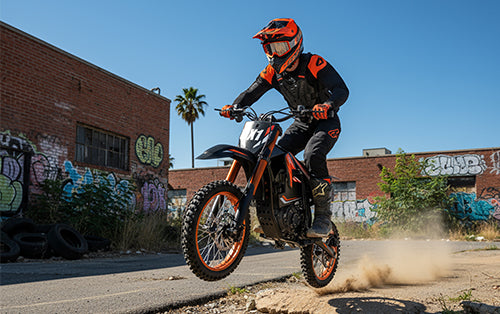
Electric dirt bikes are better suited for private land, open outdoor areas, campgrounds where riding is allowed, dirt roads, trails, and light off-road spaces. These environments offer more room to ride and can also reduce the risks caused by traffic, pedestrians, intersections, and complex road conditions.
Parents should not treat an off-road electric bike like a regular commuter e-bike. Whether public roads, sidewalks, bike lanes, and residential streets allow riding should depend on local rules and the vehicle’s classification. Even if a child already has some riding experience, that does not mean every place is suitable for riding.
A more reasonable approach is to make the bike part of the family's outdoor recreation and teens' riding practice. Parents can set the riding range, practice area, speed expectations, and riding time in advance, so the child knows where they can and cannot ride and what to do when encountering pedestrians or other vehicles.
In this way, buying an off-road electric dirt bike is not just an impulse purchase, but a planned outdoor activity.
Focus on Frame Size, Wheel Setup, and Comfort
Whether the bike fits properly is often more important than many parents realize.
If the bike is too tall or too heavy, or if the child has difficulty supporting it steadily, the sense of safety is already reduced before the ride even begins. The right bike size can help teens maintain balance more naturally and make stopping, turning, and low-speed control easier.
Wheel setup, suspension, seat height, handlebar position, and overall center of gravity can also affect the real riding experience. A suitable wheel setup can improve stability on dirt roads, gravel paths, and light trails, while comfortable suspension and riding posture can reduce fatigue during longer rides.
For most family users, a teen electric dirt bike does not necessarily need an extreme high-performance setup. What matters more is whether the bike fits the child’s real riding environment and whether it can balance flexible handling, stable terrain performance, and riding comfort.
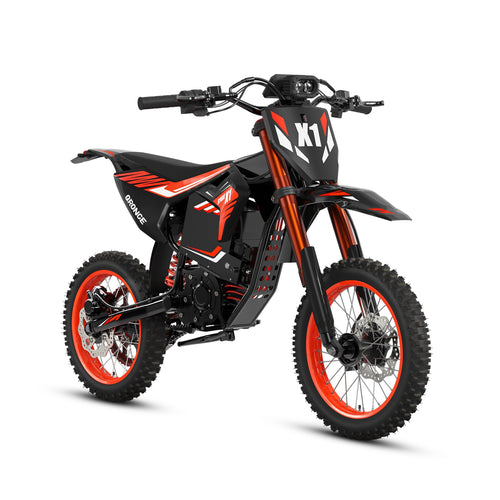
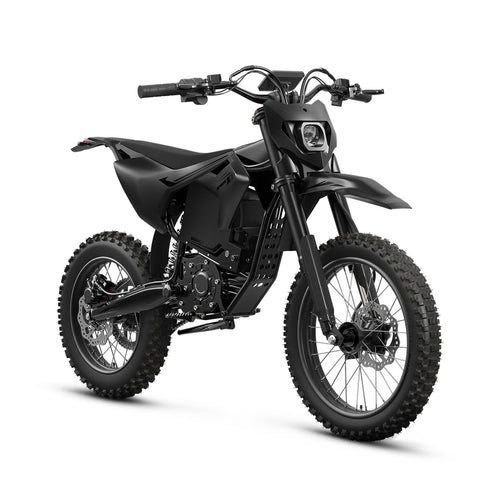
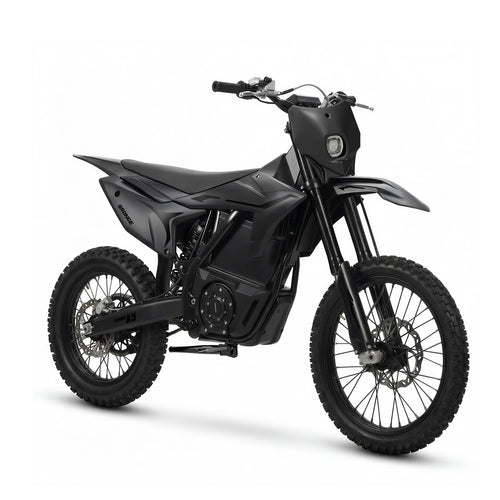
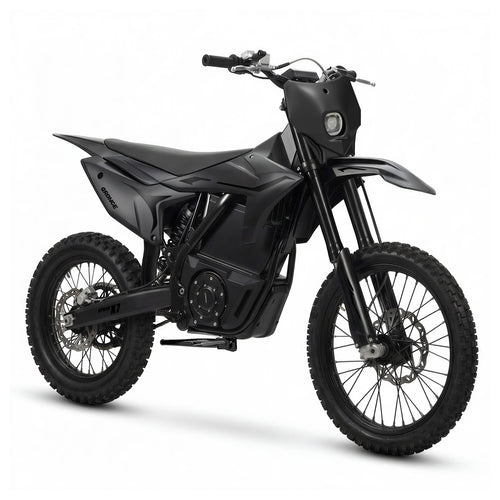
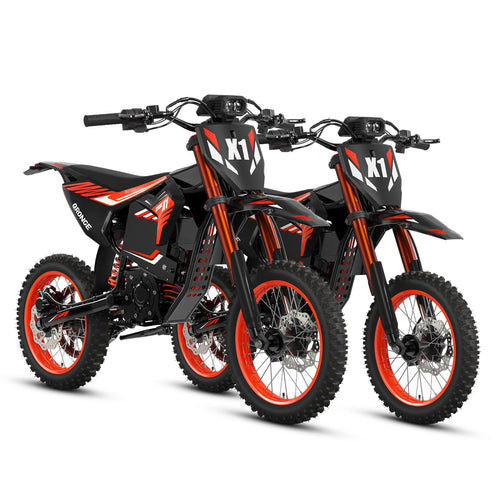
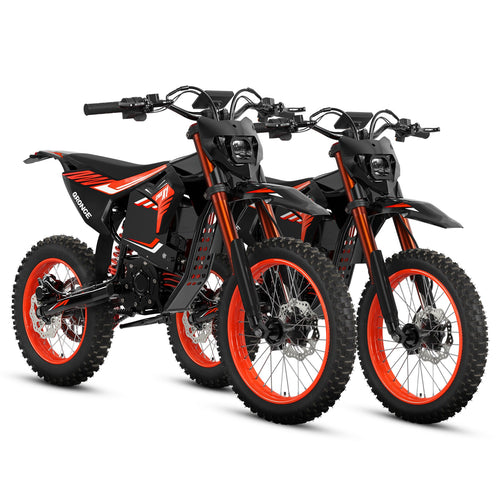
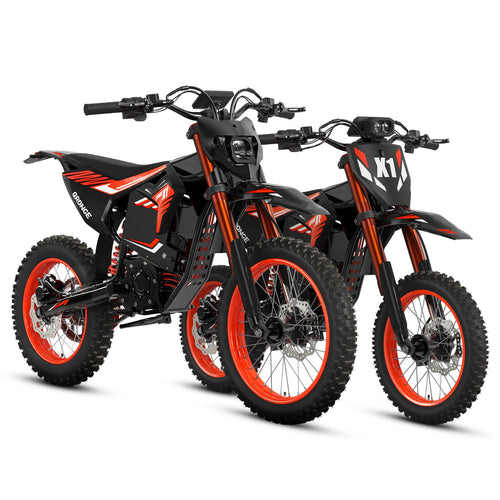
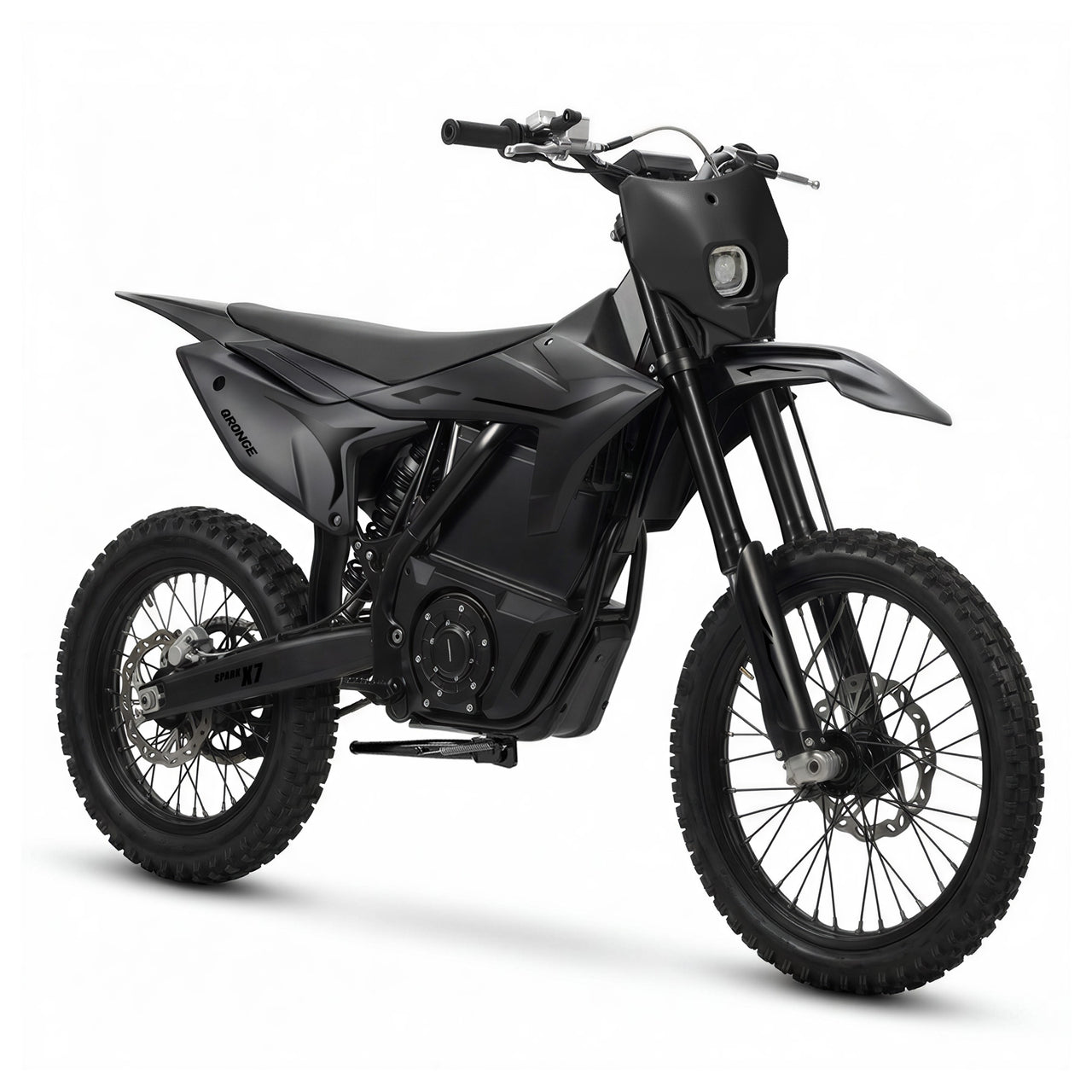
If parents are comparing an electric dirt bike for teens that is suitable for outdoor exploration and light off-road riding, Qronge X1 Spark L can be one of the key models to learn about. It is more focused on teen outdoor riding, family-supervised fun, and trail exploration, rather than simply chasing exciting speed.
Safety Gear Should Be Part of the Budget
Buying the bike is only the first step. Parents should include safety gear in the budget from the beginning.
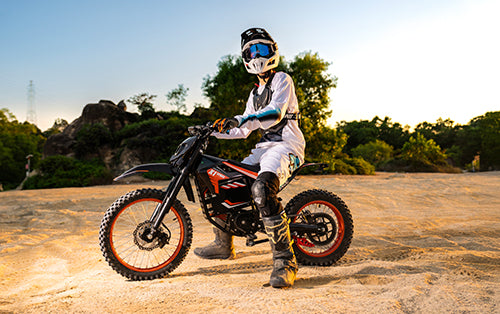
At minimum, children should have a proper helmet, goggles, gloves, knee and elbow guards, riding shoes, and outdoor riding clothing. Regular casual clothes or basic bicycle gear may not be suitable for electric dirt bike riding.
The gear also needs to fit properly. If the helmet is too loose, the gloves are too large, or the guards limit movement, they may affect the child’s judgment and control. Before the first ride, parents should check that all gear is worn correctly and that the child can see, move, and operate the bike naturally.
Parents can also build a simple pre-ride routine. Before each ride, check the brakes, tires, battery level, throttle response, and riding area to help reduce unnecessary risks.
Teach Rules Before Speed
Teen riding safety depends not only on the bike itself, but also on whether the rider understands the rules.
Before a child tries higher speeds or more complex terrain, parents should first teach basic riding rules: slow down near people, ride only in approved areas, avoid sudden acceleration, do not ride fast through blind spots, and stop immediately when a parent or staff member gives instructions.
Parents should also teach children how to handle unexpected situations. If the bike feels hard to control, slow down or stop. If the terrain is unfamiliar, do not force the ride. If there are pedestrians, pets, or other riders nearby, reduce speed early and keep a distance.
Although electric dirt bikes are quieter and smoother than gas-powered bikes, that does not mean they are risk-free. The quieter the bike is, the more actively the rider needs to pay attention to the surroundings.
Choose a Bike That Can Grow With Your Child
Many parents do not want to buy a bike that their child will outgrow quickly, but they also do not want to start with an adult high-performance model that is too large, too powerful, or too hard to control.
A better choice is a model that sits between a basic kids’ toy bike and an aggressive adult performance bike. It should be easy enough to get started with, while still offering enough outdoor capability for a child to gradually move from basic practice to trail exploration and light off-road fun.
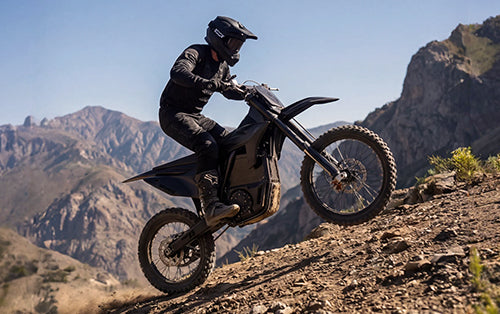
Qronge X1 Spark L fits this buying logic well. It features a 4500W peak mid-drive motor for more direct power response, along with a 60V battery system for longer outdoor riding needs. Its 17-inch front wheel and 14-inch rear wheel setup also helps balance stability and flexibility, making it suitable for teens to build riding confidence on trails, gravel paths, campgrounds, and light off-road terrain.
X1-Spark L
For parents, the X1 Spark L is not a simple kids’ toy bike, nor is it an aggressive model built only for experienced adult riders. It is more like an advanced electric dirt bike for teen trail riding, giving young riders the power and outdoor exploration they want while helping parents make a more practical decision based on size, control, and real riding scenarios.
If a child already has basic riding ability and wants to move from casual outdoor fun into a more engaging electric dirt bike for a trail riding experience, the X1 Spark L offers more room to grow than an overly basic small toy bike, while being more suitable for family-supervised use than an overly high-performance model.
A Discount Should Not Replace the Right Choice
A promotion can lower the buying budget, but parents should not place an order just because the price looks attractive. Even during prime day deals, they should first confirm whether the bike fits the child’s height, experience, and riding area, whether the power is easy to control, and whether safety gear and after-sales support are in place.
A truly worthwhile teen electric dirt bike is not only more affordable at the moment. It should also be safe to ride, suitable for long-term use, and aligned with the child’s real outdoor riding needs.
Parent Checklist Before Buying
Before making the final decision, parents can focus on these four things:
First, whether the child’s height, strength, and riding experience are suitable for this type of bike.
Second, whether the bike’s power, size, and handling support step-by-step learning.
Third, whether the family has a safe, compliant, and open enough riding area.
Fourth, whether proper protective gear is ready, and whether parents can provide supervision or guidance during early rides.
If the answers to these questions are clear, the buying decision will be more practical and reliable.
The Right Electric Dirt Bike Should Help Teens Ride With More Confidence
Choosing an electric dirt bike for teens is not about finding the fastest or most powerful model. It is about finding a bike that helps the child learn steadily and progress gradually in the right riding area, with the right safety gear and parental guidance.
For families who want a balance of outdoor fun, trail exploration, and family-supervised riding, Qronge X1 Spark L is worth learning more about. It is better suited for teens to build confidence from basic riding, while also helping families enjoy electric dirt bike riding in a safer and more planned way.


