




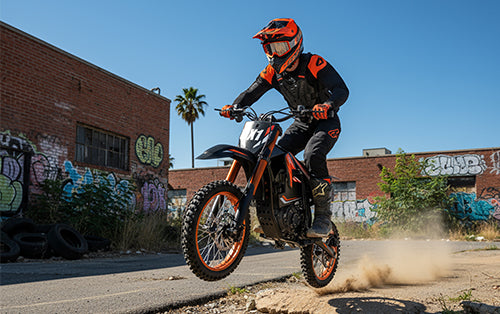
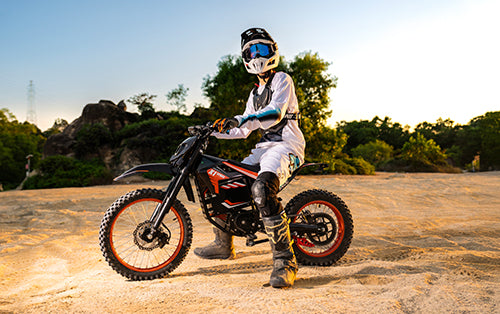
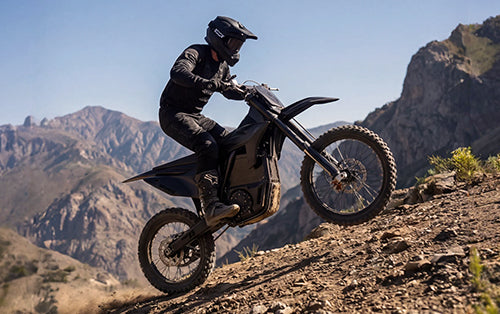
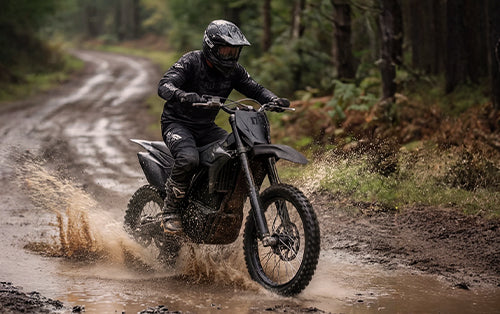





If you’ve ever taken your child to an off-road riding area or a local outdoor park, you may have noticed that more and more kids are starting to ride small electric dirt bikes. Some children are practicing turns on grass or dirt paths, while others can already accelerate and ride over uneven terrain. For many families, these lightweight two-wheelers are not only a form of entertainment, but also an opportunity for kids to develop balance, control gradually, and a love for outdoor activity.
However, when parents begin exploring children’s off-road motorcycles, they often discover that the differences between products are greater than expected. Some electric dirt bikes for kids cost only a few hundred dollars, while others are priced close to—or even above—two thousand dollars. The gap isn’t just in price; there are also significant differences in safety features, bike size, battery range, and speed performance.
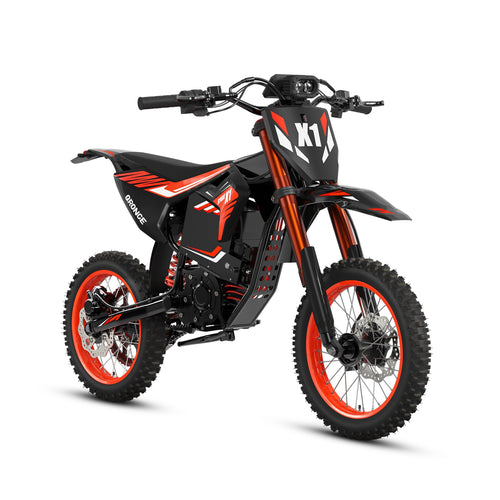
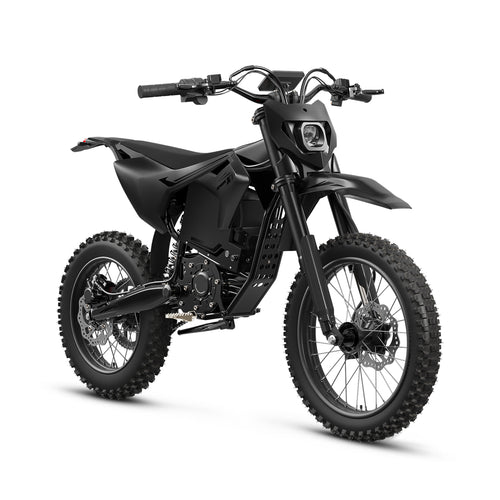
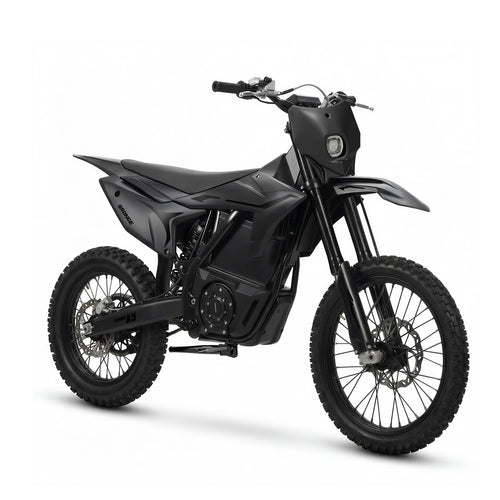
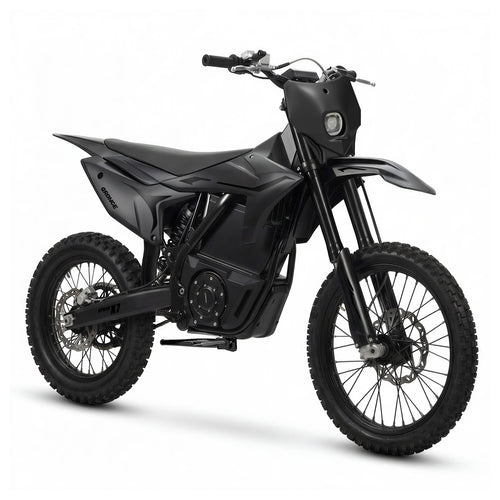
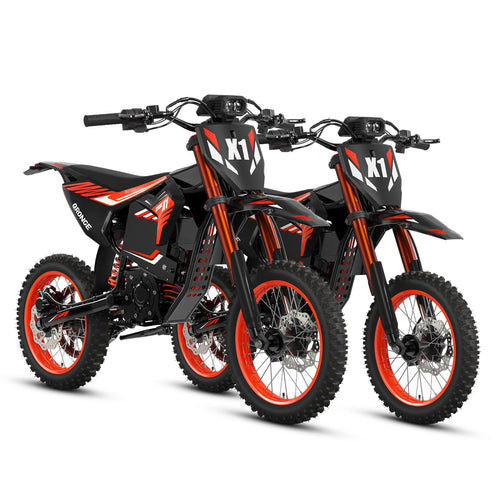
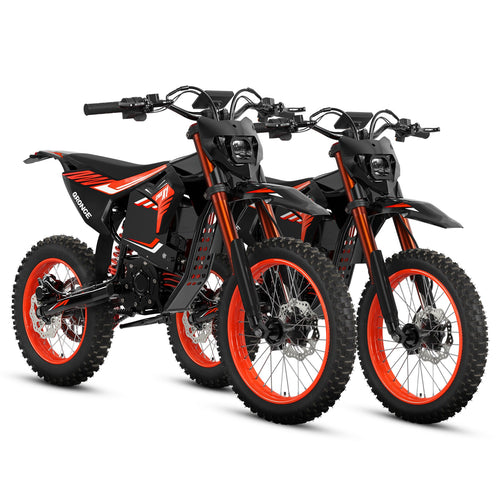
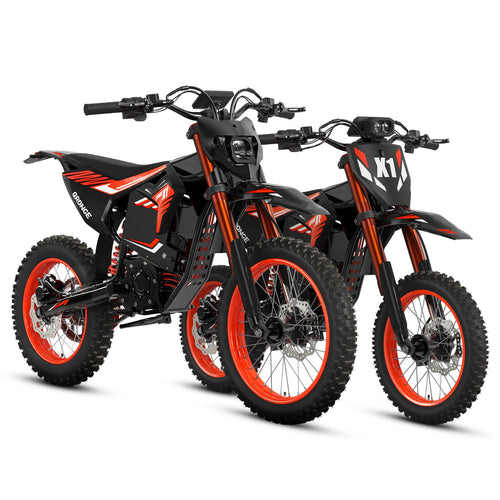
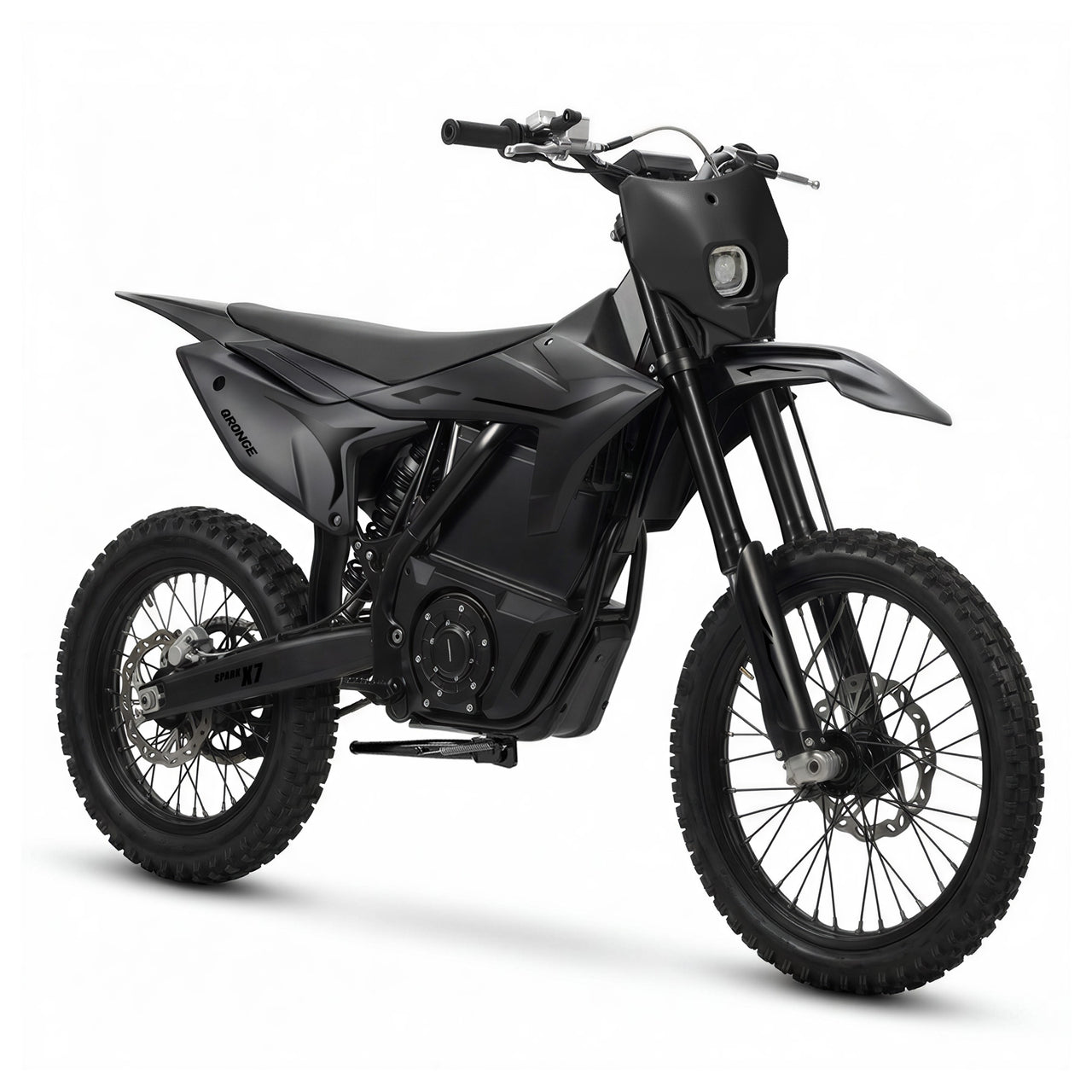
In the children’s electric dirt bike market, different brands typically design their products based on specific riding stages. For example, some OSET models are better suited for younger children just starting; STACYC bikes are often aimed at early-stage riding training; Razor’s Dirt Rocket series is commonly considered an entry-level option for kids; and brands like Qronge offer electric dirt bikes that deliver an experience closer to what teenagers would expect from an off-road motorcycle.
So, before focusing on price, the more important question is: what type of electric dirt bike is appropriate for each stage of a child’s riding development? Understanding the differences in safety, sizing, battery life, and speed is often far more valuable than simply comparing price points.
Common Kids' Electric Dirt Bike Brands on the Market
|
Brand |
Product Positioning |
|
Razor |
Entry-level electric dirt bikes for kids |
|
STACYC |
Early riding introduction for young kids |
|
OSET |
Off-road training for children |
|
Qronge |
Electric dirt bikes for teenagers |
These brands cover different age groups, which also leads to clear differences in power, size, and price. For many parents, simply understanding brand positioning is often not enough. When comparing electric dirt bikes for kids, it’s common to also look at key specifications such as top speed, battery life, and bike dimensions. Putting these details into one comparison table can make it easier to clearly see the differences between each type of bike.
|
Brand |
Model |
Top Speed |
Range / Ride Time |
Approx. Price |
|
Razor |
MX125 |
8 mph |
~40 min |
$305.99 |
|
STACYC |
16eDRIVE |
13.5 mph |
30–60 min |
$899 |
|
OSET |
12.5 Racing |
14 mph |
~1 hr |
$1,295 |
|
Qronge |
X1 Spark M |
50 mph |
up to 60 miles |
$1,199.99 |
So, when choosing an electric dirt bike for kids, a more important question is: what type of bike is suitable for each stage of a child’s riding development? Understanding the differences in safety, sizing, battery range, and speed is often more valuable than simply comparing prices.
Safety: The First Factor to Consider for Kids’ Dirt Bikes
For most parents, safety is always the top priority when choosing a dirt bike for their child. Compared to gas-powered motorcycles, electric dirt bikes for kids are generally easier to control in terms of speed and power output through electronic systems. This is one of the main reasons many families prefer electric models.
For example, the Razor MX125 has a top speed of about 8 mph, and this lower speed design helps reduce riding risk. STACYC models typically offer multiple power modes, allowing speed to increase gradually. OSET dirt bikes let parents adjust power output and responsiveness, while some Qronge youth models use different riding modes to control performance.
|
Brand |
Common Safety Features |
|
Razor |
Low-speed design |
|
STACYC |
Multiple speed modes |
|
OSET |
Adjustable power output |
|
Qronge |
Multiple riding modes |
Size & Fit: Can Your Child Easily Control the Bike?
The size of kids’ dirt bikes is designed differently from adult motorcycles. Seat height, bike weight, and overall proportions all affect a child’s stability while riding. If the bike is too tall, it becomes difficult for the child to keep balance when stopping; if it’s too heavy, both handling and moving the bike can become challenging.
|
Model |
Recommended Age |
|
Razor MX125 |
5+ years |
|
STACYC 16eDRIVE |
5–7 years |
|
OSET 12.5 Racing |
3–5 years |
|
Qronge X1 Spark M |
Teens |
When choosing a bike, many parents first check whether their child can place both feet on the ground while seated. This is often more important than power specifications.
Battery Range: How Long Can One Ride Last?
Battery range directly affects how long a child can ride each time. For kids who mainly ride in the yard, parks, or small off-road areas, most electric dirt bikes for children typically offer a ride time of about 30 to 60 minutes, which is usually enough for a single recreational ride. For example, entry-level models like Razor’s kids' electric dirt bikes generally provide around 40 minutes of ride time, while beginner-focused models like STACYC typically offer between 30 and 60 minutes, depending on the speed mode.
For bikes designed more for training purposes, such as OSET’s kids dirt bikes, ride time can usually reach around 1 hour. As for higher-performance electric dirt bikes aimed at teenagers, such as some Qronge models, larger battery capacity allows for a range of up to about 60 miles. These types of bikes are generally more suitable for riders who want longer ride sessions or outdoor off-road exploration.
Speed Performance: Different Riding Stages Match Different Speeds
In kids’ dirt bikes, speed is usually related to the rider’s stage of development. For children who are just starting to learn, entry-level models typically have a top speed of around 8 mph. This lower speed is easier to control and more suitable for getting familiar with the throttle and basic riding skills. As riding experience improves, some training-level bikes increase top speeds to around 13–14 mph, offering a more noticeable sense of power while still maintaining good control.
|
Brand |
Model |
Top Speed |
|
Razor |
MX125 |
8 mph |
|
STACYC |
16eDRIVE |
13.5 mph |
|
OSET |
12.5 Racing |
14 mph |
|
Qronge |
X1 Spark M |
50 mph |
For older riders with more experience, some electric dirt bikes can reach speeds of around 50 mph. These models are closer to traditional off-road motorcycles in both power and structure, making them more suitable for riders who want higher speeds and more challenging terrain.
Durability: Bike Structure for Off-Road Conditions
Kids’ dirt bikes are typically ridden on grass, dirt, or light off-road trails, so the bike’s structural design directly affects its long-term stability and durability. Compared to regular kids’ electric vehicles, dirt bikes need to handle more impact from the ground, such as bumps or gravel surfaces. This is why many models place greater emphasis on frame construction and suspension systems.
Different brands also focus on different aspects of structural design. Some entry-level models prioritize lightweight builds and simple structures, while others are designed for older riders to use stronger frames and more complete suspension systems to handle more complex off-road environments.
|
Brand |
Structural Features |
|
Razor |
Lightweight recreational structure |
|
STACYC |
Lightweight frame |
|
OSET |
Off-road training structure |
|
Qronge |
Off-road frame design |
Kids Dirt Bike Price Comparison
After understanding factors like safety, size, battery range, and speed, it’s time to return to one of the biggest concerns for many parents: how much does a kid's dirt bike actually cost? In reality, the price range for these products can vary widely, from a few hundred dollars to over two thousand dollars. This difference is usually related to the power system, battery capacity, and frame structure of the bike.
In general, entry-level recreational models are more affordable, while prices increase as power performance and bike size improve. For kids who want more outdoor riding or off-road experiences, higher-performance models can typically offer more stable riding performance.
|
Brand |
Typical Price |
|
Razor |
$305.99 |
|
STACYC |
$899 |
|
OSET |
$1,295 |
|
Qronge |
$1,199.99 |
X1 Spark M
Which Type of Kids' Electric Dirt Bike Is the Right Choice for You?
If your child is just starting off-road riding, Razor is a solid entry-level option, with a simple structure and moderate speed that makes it easy to get started. STACYC is better suited for the early learning stage, with a lightweight design and easy handling that help kids quickly develop balance and basic skills.
However, if you want your child to ride longer distances and explore more off-road terrain, OSET or Qronge electric dirt bikes for kids are both worth considering. In particular, Qronge is closer to teenage dirt bikes in terms of power, frame structure, and battery range, making it more suitable for kids with some riding experience who want to explore a wider variety of terrain.
The final choice can be made based on your child’s age, height, and riding experience.


