











The 2026 World Cup will be co-hosted by the United States, Canada, and Mexico, running from June 11 to July 19, 2026, across 16 host cities and 104 matches. For people attending matches in person, tickets, the match schedule, and city transportation are not three separate issues, but one connected path of preparation: first confirm the ticket sales window, then understand the host cities and stadium locations, and finally plan how to get to and leave the venue efficiently on match day. Because the tournament is unprecedented in scale, short-distance transportation on match day is also becoming an increasingly important part of preparation beyond ticket information.
Official Ticket Sales Timeline
FIFA has already made it clear that ticket sales for the 2026 World Cup did not begin shortly before the tournament, but entered the first sales phase as early as September 10, 2025. FIFA has also stated that tickets for this World Cup will be released in multiple sales phases, and different phases may vary in purchasing methods, payment rules, and ticket types. As a result, the question of “when tickets go on sale” essentially refers to an ongoing official ticketing process rather than a one-time ticket release.
Looking at the timeline that followed, FIFA’s ticketing information listed multiple phases, including the Visa Presale Draw in September 2025, the Early Ticket Draw in October 2025, and the Random Selection Draw from December 2025 to January 2026. After entering 2026, the ticket sales process has moved into a more direct public purchasing stage. This means that what users need to focus on now is no longer just when tickets go on sale, but whether tickets are still available, whether their target matches can still be purchased, and whether they can smoothly connect those plans with their later travel arrangements.

Current Ticket Sales Phase
According to FIFA’s official ticketing information, the Last-Minute Sales Phase began on April 1, 2026, and will continue through the end of the tournament on July 19, 2026, as long as tickets remain available. This phase processes orders on a first-come, first-served basis and through real-time transactions, so availability for different matches, host cities, and stages will change dynamically. For high-demand matches, popular host cities, and the knockout stage, inventory usually changes more quickly, which means ticket decisions and travel planning often need to move forward at the same time.
This is also why World Cup ticket content cannot stop at simply answering the timing question. Tickets are only the entry point to the live match experience. Once the actual trip-planning stage begins, accommodations, travel between host cities, venue-area connections, and local transportation before and after match day all become key factors that affect the overall experience. Especially during large international events, the area around stadiums often sees a sharp buildup of both pedestrian and vehicle traffic in a short period of time, making the uncertainty of traditional transportation options even more noticeable during peak hours.
How Match Day Transportation Is Changing
The World Cup is not simply about going to the stadium, watching the match, and leaving. For many fans, a match day usually connects multiple stops, including hotels, restaurants, Fan Zones, shopping areas, landmarks, and the area around the stadium. As a result, what happens most often is short- to mid-distance travel within the host city. Driving may seem flexible, but on match day, it is often limited by congestion around the venue, temporary traffic controls, and parking efficiency. Ride-hailing is easily affected by wait times and price fluctuations during peak periods. Public transportation handles the main flow of people, but after getting off, the last part of the trip still requires a more flexible connection. Given the scale of 16 cities and 104 matches, this kind of match-day transportation pressure will likely become a shared issue across popular host cities.
For that reason, combining World Cup content with eBikes is not an awkward transition, but a natural extension of the real-life match experience. When users search for ticket information, they are often already in the trip-planning stage. Once tickets are confirmed, the next practical questions become how to reach the area around the stadium more efficiently, how to reduce waiting time, and how to move around the city more smoothly before and after the match. For independent site content, this kind of structure—from “ticket information” to “match day transportation solutions”—makes the entire piece more complete and more closely aligned with real user needs.

eBike Compatibility With Green Transportation
Travel related to the World Cup is not as simple as just going to the stadium for one match. Before and after match day, many people will move between hotels, Fan Festivals, attractions, shopping areas around the stadium, restaurants, and gathering spots, and going back and forth across multiple neighborhoods in one day is also common. The problem is that these situations are often not easy with traditional transportation. Going from a hotel to a Fan Festival usually means a long wait for a short ride that does not feel cost-effective. Moving from an attraction to a shopping area near the stadium can mean difficult parking and more limited routes. After the match, if people want to head to a restaurant or gathering spot, ride-hailing price surges and congestion in central areas can make leaving much less efficient. If multiple trips across different areas are needed in one day, having to book a ride or transfer again each time can also easily disrupt the original pace.
|
World Cup surrounding scenarios |
Common problems with traditional transportation |
Why eBikes are a better fit |
|
Hotel → Fan Festival |
Long waits for a ride are not cost-effective for short trips |
More direct to get started, better for quick, short-distance switching |
|
Attraction → Shopping area around the stadium |
Difficult parking, limited routes |
No need to rely on parking, more flexible routing |
|
After the match → Gathering spot/restaurant |
Ride-hailing price surges, congestion in core areas |
Easier to leave crowded areas more quickly |
|
Moving back and forth across multiple neighborhoods in one day |
Each trip requires booking another ride or making another transfer |
Better for frequent, multi-stop travel |
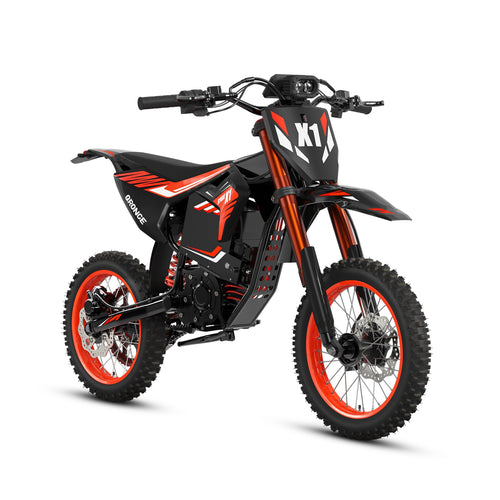
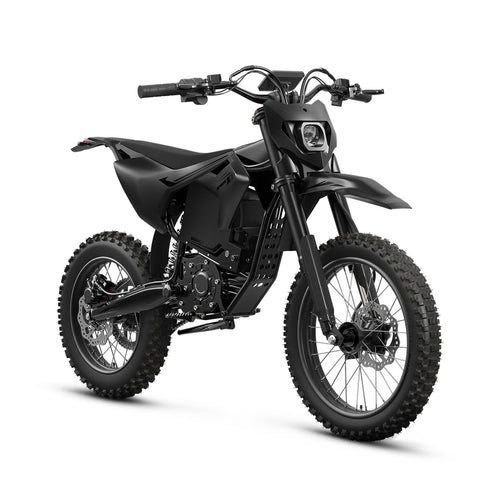
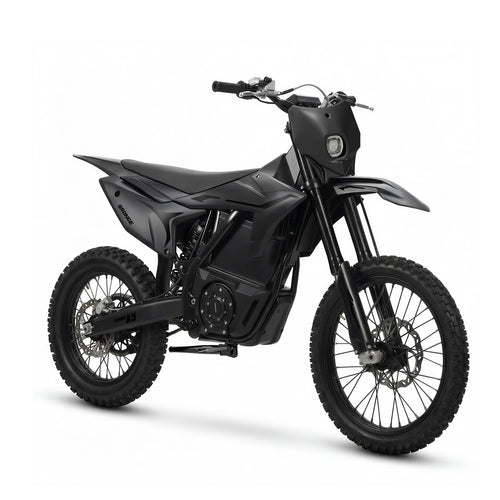
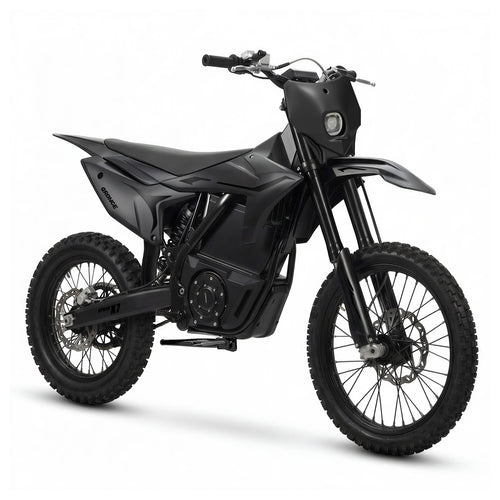
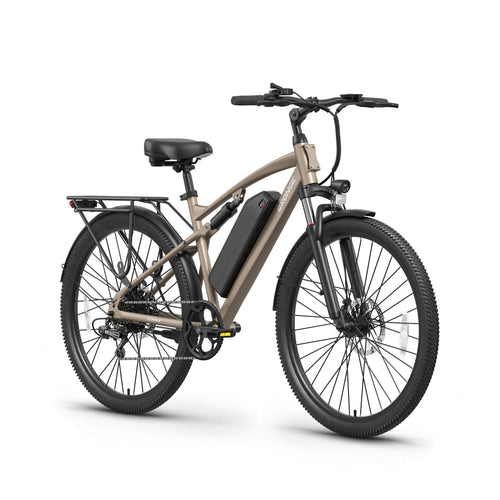
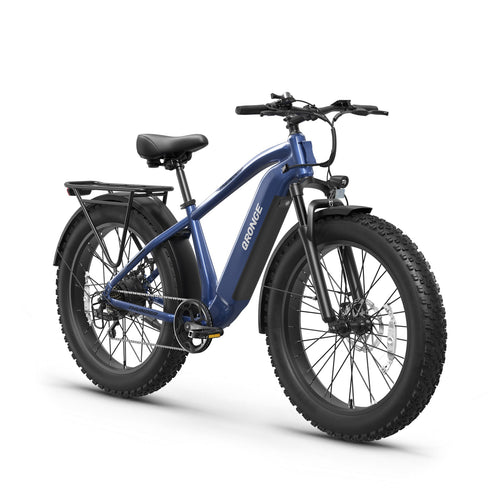
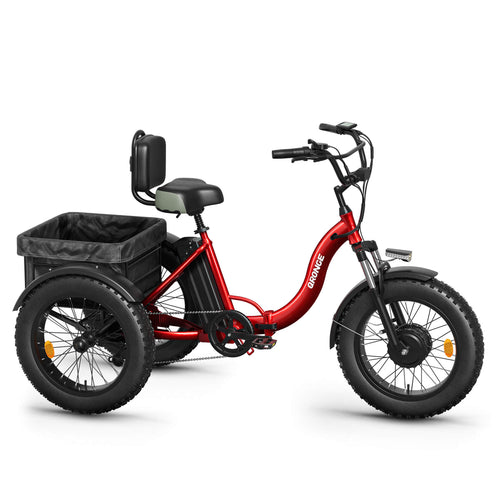
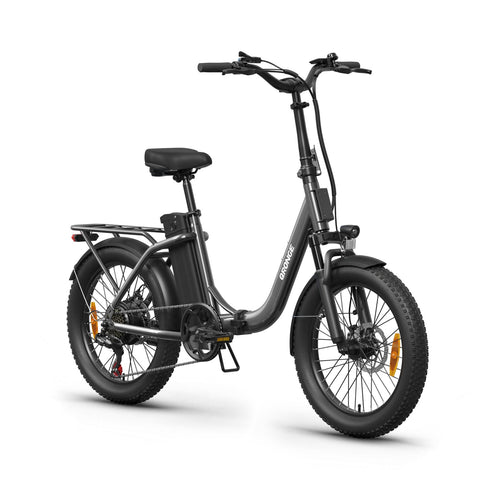
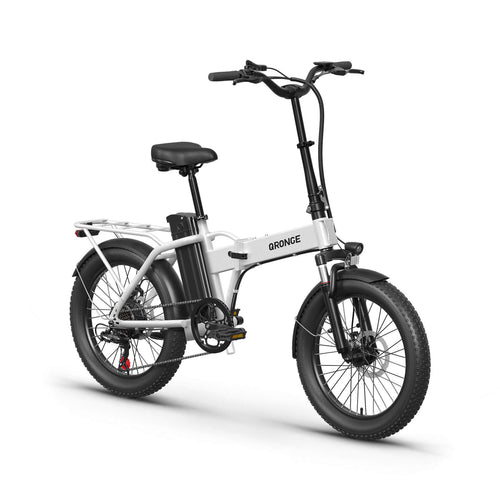
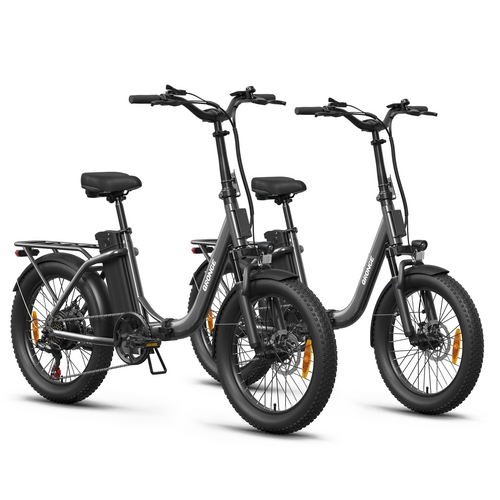
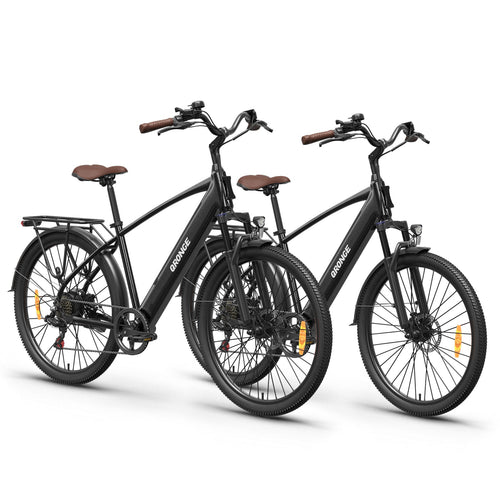
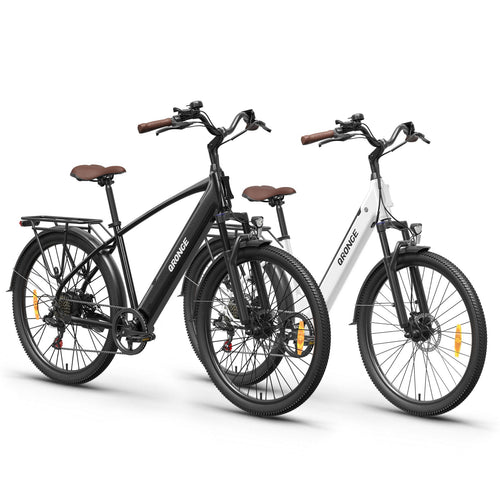
That is also why the value of eBikes in World Cup-related scenarios is more direct. They are better suited for this kind of short- to mid-distance, high-frequency, multi-stop urban travel, without relying too much on parking and while allowing a more flexible pace between different locations. Whether going directly from a hotel to a Fan Festival, moving from an attraction to a shopping area near the stadium, or leaving a crowded area after the match to get to a restaurant or gathering spot as quickly as possible, an eBike can make the travel process feel easier. This kind of compatibility does not exist only during the tournament. It is also a real situation that many people face in daily commuting. For example, the Mirage eBike is better suited for this kind of short-distance city riding. Whether for commuting to work or going out on weekends, it can make the overall pace feel more relaxed.
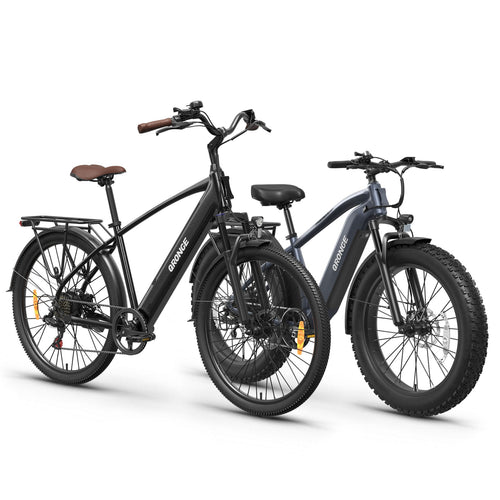
Mirage-Ebike
From Buying Tickets to Getting There, Match Day Transportation Matters
As 2026 World Cup ticket sales began on September 10, 2025, and entered the final phase of public sales on April 1, 2026, match preparation should not stop at ticket purchase alone. For people planning to attend in person, tickets determine whether they can get in, while match-day transportation often directly affects the overall travel experience. Rather than only focusing on match schedules and ticket availability, understanding transportation options that are better suited for short-distance travel within the city in advance is often more practical.
Click to explore the commuting series 🚲
See riding options that are better suited for city commuting and frequent short-distance travel.


