










When the World Cup Meets City Traffic, Peak Congestion Lasts Far Beyond 90 Minutes
As the 2026 World Cup approaches, this globally celebrated tournament will be hosted jointly by three countries for the first time — the United States, Canada, and Mexico — with matches taking place across 16 different cities. This not only marks a major expansion in the scale of the event, but also means that large volumes of cross-city and cross-region travel will surge within a short period of time.
Compared with past World Cups hosted by a single country, this multi-city, cross-regional format will create more complex transportation challenges. On matchdays in particular, large numbers of fans will need to reach the same stadium area within a limited timeframe, pushing urban traffic from heavy operation into a state of localised overload.
Where Will the 2026 World Cup Be Held? These Cities Will See Major Crowds
According to official information, the 2026 World Cup will be held in 11 cities across the United States: Los Angeles, New York / New Jersey, Dallas, Miami, Seattle, Atlanta, Boston, Philadelphia, Houston, Kansas City, and the San Francisco Bay Area. The tournament will expand to 48 teams and include more than 100 matches, making it the largest World Cup in history.
|
Host City |
Main Stadium |
Venue / Stadium Location |
Typical Matchday Traffic Issues |
|
Los Angeles |
SoFi Stadium |
Inglewood, California |
Heavy dependence on highways, with clear congestion on routes such as I-10 and I-405; dense crowds around the stadium; limited parking and high parking costs |
|
New York / New Jersey |
MetLife Stadium |
East Rutherford, New Jersey |
Complex cross-regional commuting; concentrated traffic on bridges, tunnels, and highways; crowded public transit during peak hours; heavy last-mile connection pressure |
|
Dallas |
AT&T Stadium |
Arlington, Texas |
Spread-out urban layout; high dependence on driving; concentrated traffic before and after matches; sharp increase in parking demand |
|
Miami |
Hard Rock Stadium |
Miami Gardens, Florida |
Roads near the stadium entrance are prone to congestion; tourist traffic overlaps with matchday crowds; noticeable fluctuations in rideshare wait times and costs |
|
Atlanta |
Mercedes-Benz Stadium |
Atlanta, Georgia |
Heavy traffic pressure in the downtown area; clear peak-hour congestion; greater strain on public transit on matchdays |
|
Seattle |
Lumen Field |
Seattle, Washington |
Bridges and main roads can easily become bottlenecks; roads around the stadium are relatively compact, with limited parking; weather may also affect travel |
|
Houston |
NRG Stadium |
Houston, Texas |
Large urban sprawl; heavy reliance on car travel; long-distance commuting combined with congestion; overall travel efficiency can vary significantly |
|
San Francisco Bay Area |
Levi’s Stadium |
Santa Clara, California |
Frequent cross-regional commuting; heavy pressure on highways and major roads; public transit becomes more crowded before and after matches; limited parking resources |
|
Philadelphia |
Lincoln Financial Field |
Philadelphia, Pennsylvania |
Traffic is concentrated in the sports complex area; dense city traffic; difficult parking; longer walking connections around the stadium |
|
Boston |
Gillette Stadium |
Foxborough, Massachusetts |
Far from the city centre; dependent on rail or driving, concentrated traffic on matchdays, unstable travel times |
|
Kansas City |
Arrowhead Stadium / GEHA Field at Arrowhead |
Kansas City, Missouri |
Commuting routes are relatively concentrated; peak matchday roads are prone to congestion; traffic pressure is especially noticeable during high-volume entry and exit periods |
The traffic patterns in these cities show that matchday travel problems are not temporary variables, but long-standing structural pressure points. Once tens of thousands of fans head toward the same stadium area within a short period of time, the area around the venue quickly becomes a major traffic centre within the city.
That means what you are dealing with is not just an ordinary trip, but something more like a high-density, time-sensitive, and locally concentrated movement of people.

Why “Leaving Early” on Matchday Still Doesn’t Help You Avoid Traffic
At an event of this scale, many fans naturally choose to plan their route and leave earlier. But the problem is that when tens of thousands of people use the same mode of transportation at the same time, mainly driving, the pressure on the transportation system quickly concentrates around the stadium area.
Based on experience from major sporting events, traffic volume on key roads typically rises by 30% to 50% in the 2 to 3 hours before kickoff, while parking resources fill up quickly before the match starts. At the same time, temporary road closures and detours can make navigation routes far less useful, turning the last few miles into the most unpredictable part of the trip.
This is also the stage when many people run into situations like these:
- You left early, but still got stuck on the roads outside the stadium
- You were already close to the venue, but still could not complete the last few miles
- Your navigation kept rerouting, but every alternate route was also congested
- The line to enter the parking lot took longer than the drive itself
This feeling of being close but unable to arrive is, at its core, not really a matter of timing, but a structural limitation caused by the mode of transportation itself.
How E-Bikes Change the Logic of Matchday Travel
In this kind of short-distance, high-density, heavily congested environment, more and more people are starting to rethink the mode of transportation itself, and this is exactly where the value of e-bikes becomes more apparent.
Compared with cars, e-bikes do not depend on parking spaces and can get much closer to the destination directly. They are also more flexible in route choice, allowing riders to avoid congested areas by using side streets or bike paths, which can significantly improve travel efficiency during the last few miles.
In addition, during the post-match departure period, when large numbers of fans leave the stadium at the same time, rideshares and private cars often fall back into congestion, while e-bikes can leave the core area more quickly, making overall travel time more predictable.
In actual use, for short trips in the range of 3 to 8 miles, an e-bike is often not just an alternative, but a more efficient choice in specific situations.
Why Commuter E-Bikes Have a Greater Advantage on Matchdays
It is important to note that in a complex matchday environment like this, a standard e-bike may not always deliver a stable experience. Frequent stops and starts, dense crowds, and changing road conditions place higher demands on power response, stability, and load capacity.
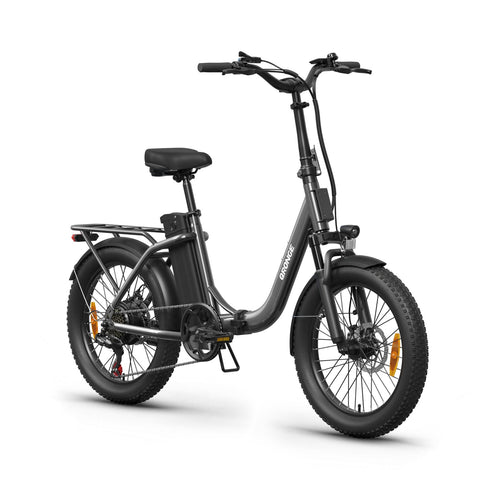
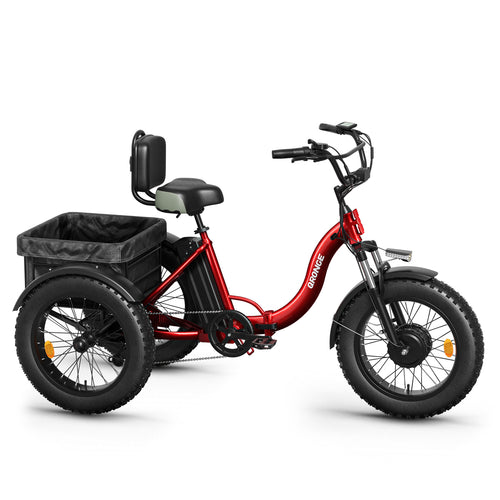
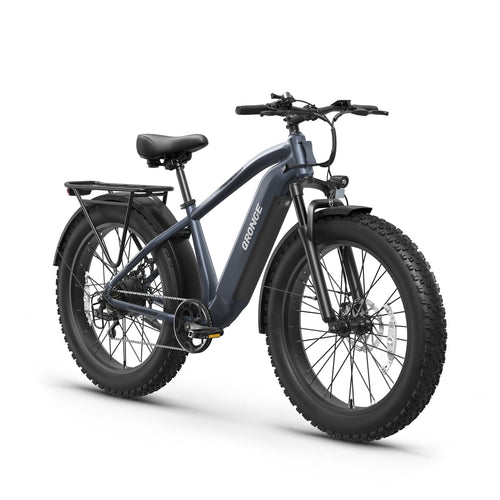
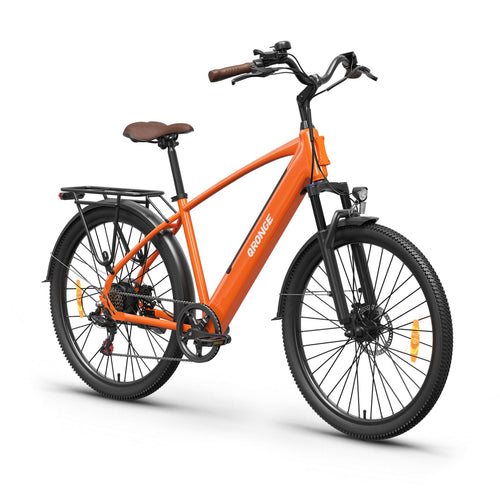
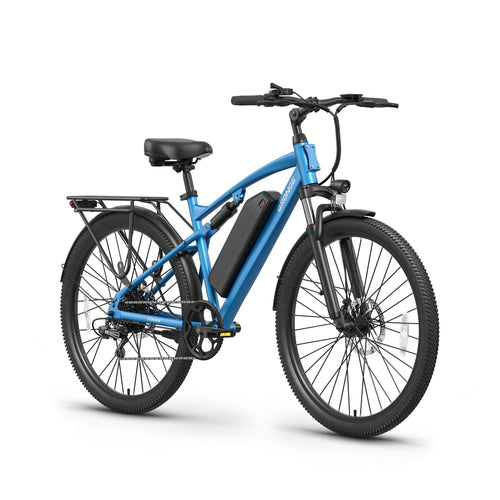
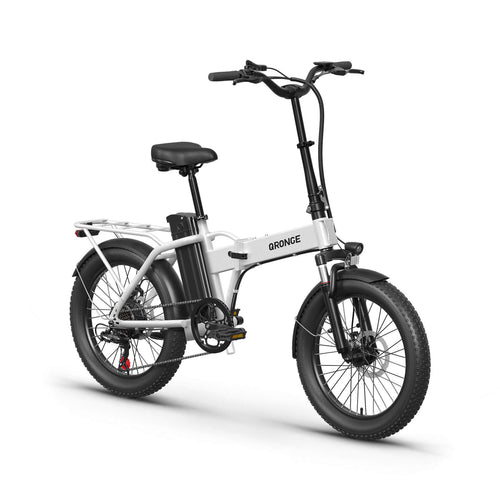
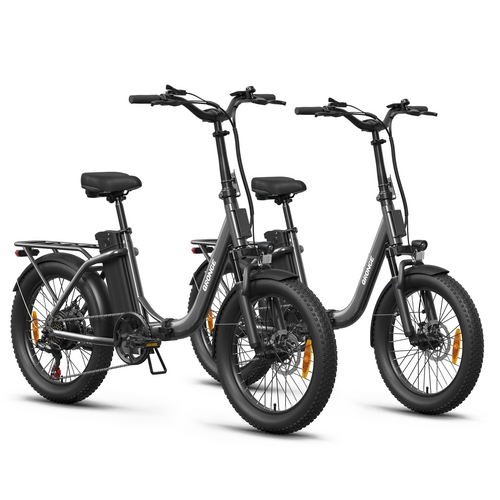
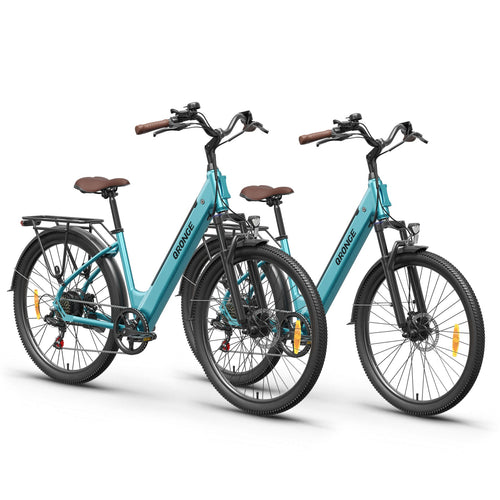
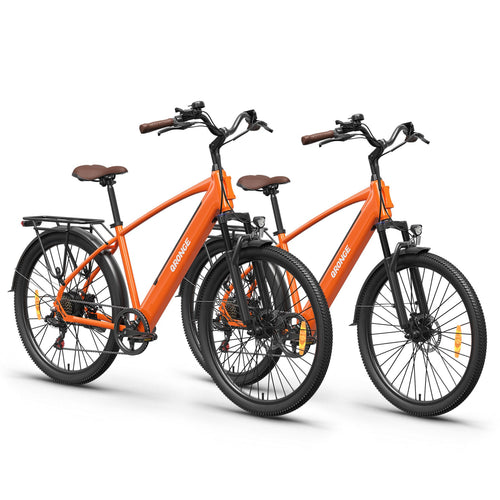
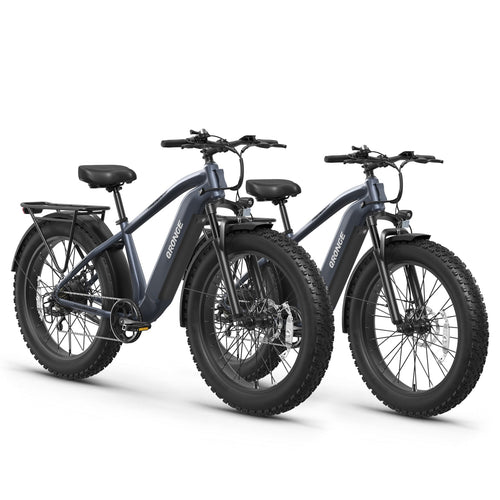
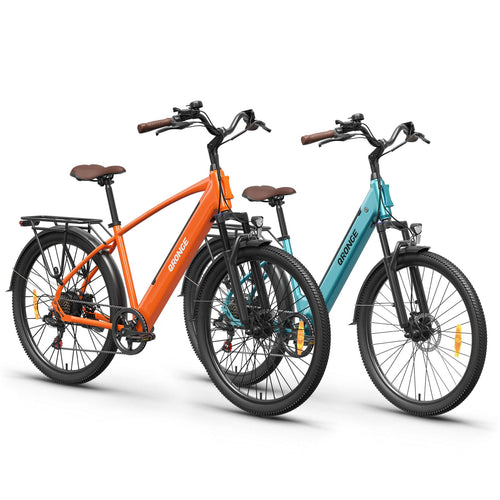
Take the Qronge Mirage as an example. This type of e-bike, designed more for commuting, is better suited to handle this kind of environment in both structure and performance. For example, its 1000W peak motor can maintain strong power output in stop-and-go traffic, while the 20×3.0 fat tyres help improve riding stability, making the bike easier to control on complex road surfaces and in crowded conditions. At the same time, its maximum load capacity of 350 lbs can also meet the needs of different riders and the items they carry.
In a matchday setting like this, the advantages these features provide are not limited to the riding experience itself. More importantly, they help reduce the time lost in traffic standstills, making the overall trip more efficient.

The World Cup Is More Than a Match — It Is a Full-Day Travel Experience
For most fans, the World Cup is not just the 90 minutes of the match itself, but the entire process from departure to arrival to leaving afterwards, and the travel experience often shapes how that whole process feels.
When an event grows to a cross-country and cross-city scale, the choice of transportation is no longer just a matter of convenience. It directly affects whether you can take part in the experience smoothly.
If you do not want to still be stuck on the road before the match begins, or keep losing time after the crowd leaves the stadium, then choosing a more flexible and efficient way to travel becomes the more practical solution.
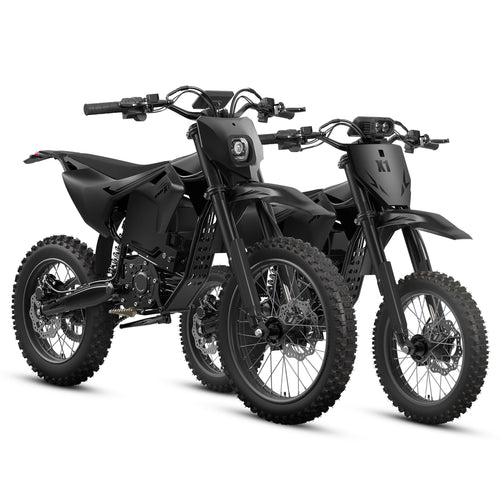
👉 Explore the Qronge Commuter Series 🚴⚽
Find a more efficient way to travel for World Cup matchdays and everyday rides.


