











Why Are More Riders Paying Attention to Motor Layout?
In the past, when many consumers chose an electric dirt bike, they often focused on specifications such as motor power, top speed, and riding range.
But as electric dirt bikes continue to develop, more riders are finding that riding experience is not determined by power alone.
Models with the same power output may feel completely different in handling, stability, and power feedback across different terrains. One of the key reasons behind this difference is motor layout.
Currently, electric dirt bikes on the market mainly use two motor layouts: mid-drive motors and rear hub motors. Although both can provide power for the vehicle, their different mounting positions have a clear impact on weight distribution, power delivery, and off-road performance.
For users who often ride on trails, go camping, or enjoy light off-road riding, understanding the differences between these two motor structures can help them better understand the riding characteristics of different models.
What Is a Mid-Drive Motor?
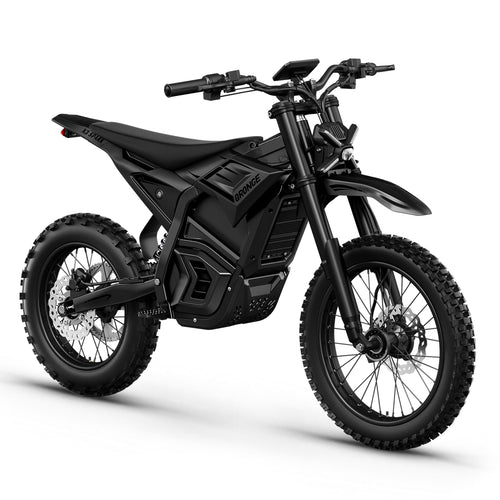
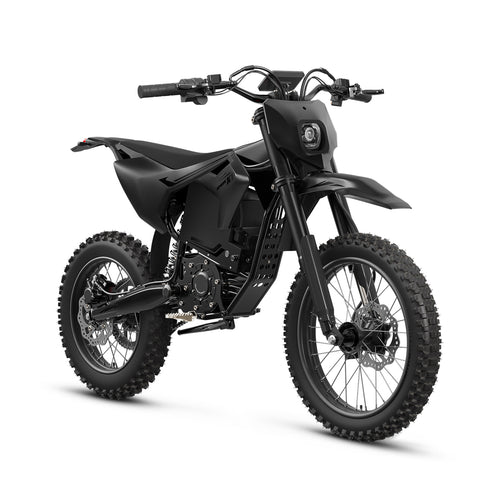
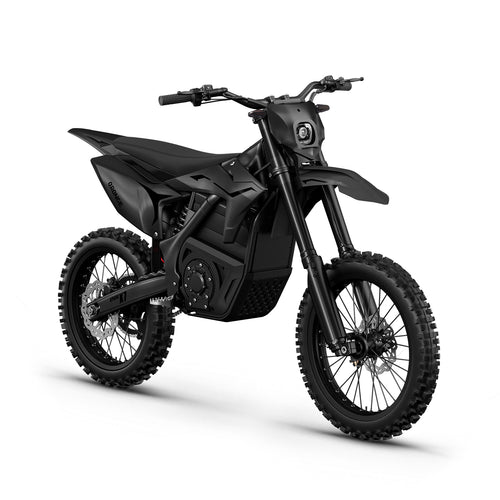
A mid-drive motor is usually installed in the middle of the frame, close to the engine area of a traditional gas-powered dirt bike. This layout helps keep the vehicle’s weight more centered and creates a more balanced front-to-rear weight distribution, improving stability when turning, climbing hills, and riding over complex terrain.
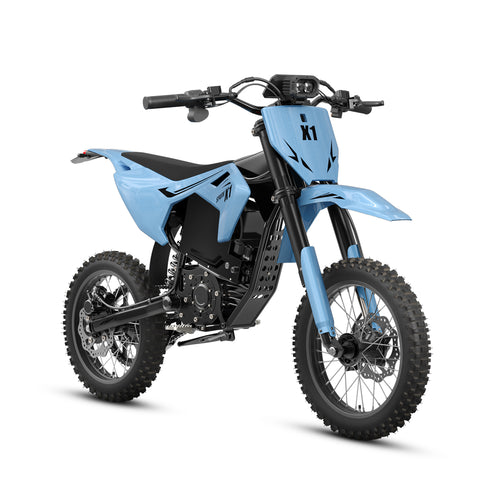
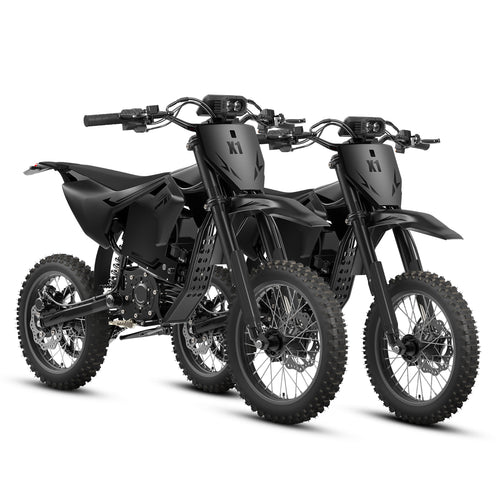
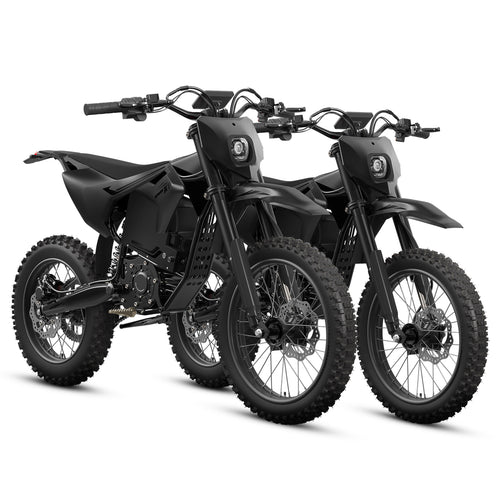
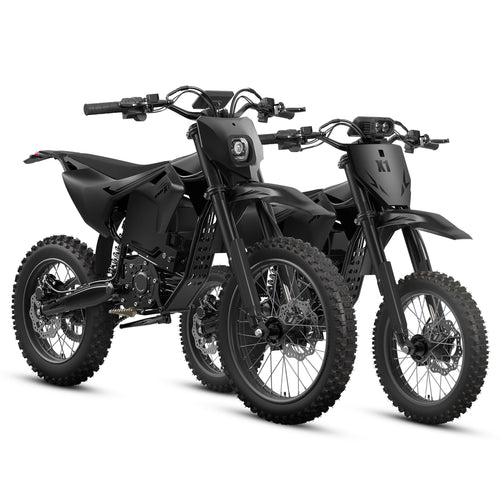
For an electric dirt bike, the center of gravity directly affects the riding experience. Trails, gravel roads, and slopes test not only power, but also how easy the vehicle is to control. For example, the Qronge X1 Spark M and X1 Spark L use a 4500W peak mid-drive motor structure, making them more suitable for light off-road riding, trail exploration, and outdoor recreational riding while helping the vehicle maintain a more natural sense of balance on real terrain.

What Is a Rear Hub Motor?
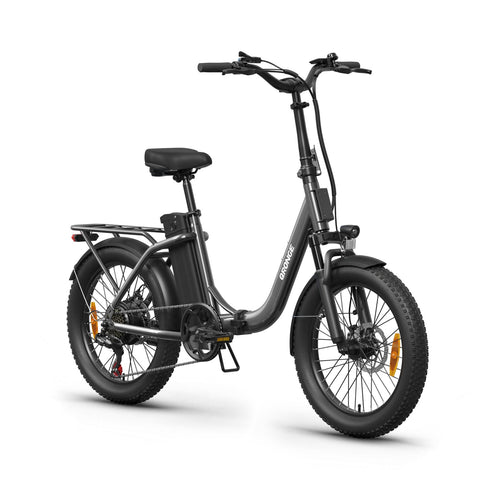
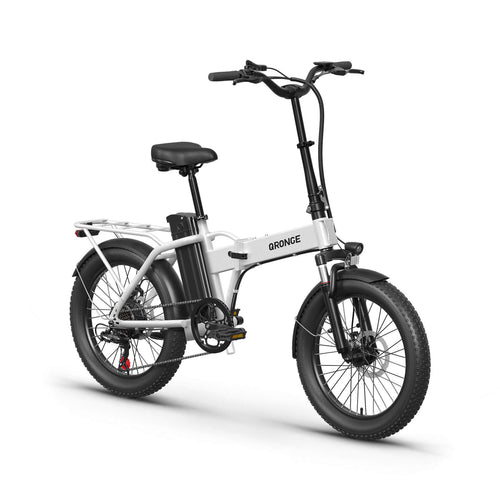
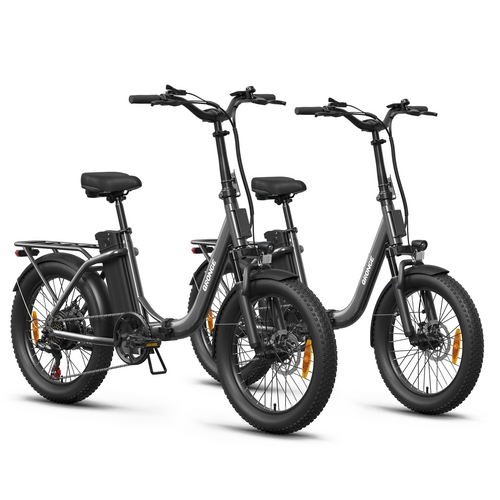
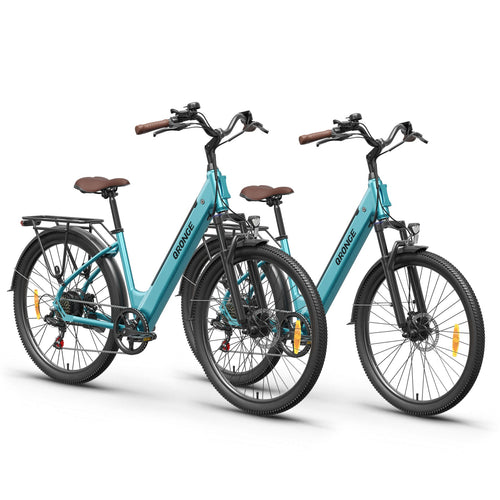
A rear motor is usually installed in the rear wheel hub, also known as a hub motor. It has a relatively simple structure, with power delivered directly from the rear wheel, so it is commonly seen on electric bicycles, urban commuter bikes, and some light recreational electric vehicles.
The advantages of this motor layout are lower cost, simpler structure, and easier maintenance. It is suitable for flat roads, neighborhood streets, or short-distance recreational riding. However, in more complex off-road environments, a rear hub motor places more weight on the rear wheel. When facing continuous turns, slopes, or bumpy roads, handling flexibility and overall vehicle balance may be affected.
How Does Motor Position Affect Power Feedback?
Many users may think that if the power output is the same, the vehicle’s performance will not differ much. In fact, mid-drive motors and rear hub motors also differ clearly in how they deliver power.
Because a rear hub motor directly drives the rear wheel, it usually provides a more direct start-up response on flat roads, and the throttle feedback can make the rider feel stronger instant acceleration. This characteristic is suitable for daily recreational riding, but in complex off-road environments, overly direct power delivery may not always be easier to control.
A mid-drive motor, on the other hand, focuses more on continuous power delivery. Since the motor is located in the center of the vehicle, power release is usually more linear and smoother when the bike passes obstacles at low speed, enters continuous turns, or rides over gravel roads. For example, the X1 Spark M, which uses a 4500W peak mid-drive motor, focuses more on stable, smooth, and controllable power feedback during trail riding, helping riders better manage the vehicle’s rhythm instead of simply pursuing the impact of instant acceleration.
For an electric dirt bike, what really matters is not how aggressive the power feels, but whether the power is easy to control. Especially in outdoor off-road environments, controllable power is often more practical than simple explosive acceleration.
Why Is a Mid-Drive Motor Better for Complex Off-Road Handling?
Off-road riding is not just about accelerating in a straight line. Forest trails, continuous turns, bumpy roads, and loose gravel constantly test the vehicle’s balance.
Because a rear hub motor places more weight around the rear wheel, the rear-end inertia becomes more noticeable during quick turns or continuous direction changes. If the rider needs to adjust direction frequently, the vehicle may feel less agile, especially on mud, gravel roads, and bumpy terrain, where handling flexibility can be affected.
A mid-drive motor places the weight in the center of the frame, bringing the vehicle’s center of gravity closer to its core. As a result, when the rider leans into turns, avoids obstacles, or controls the bike at low speed, the vehicle responds more naturally and maintains a more stable posture.
This is also why more compact models are starting to focus on mid-drive motor design. For many mini electric dirt bike models, the body already offers good flexibility, while a mid-drive motor can further improve overall balance and give the vehicle more stable handling on top of its lightweight design.
Which Is Better for Hill Climbing: Mid-Drive or Rear Hub Motor?
Hill climbing is an important way to test the overall performance of an electric dirt bike.
Many consumers believe that motor power is the only key factor that determines hill-climbing ability.
In fact, the vehicle’s center of gravity also affects uphill performance.
When the vehicle enters continuous slopes, if too much weight is concentrated on the rear wheel, front-wheel traction may decrease, which can affect directional control.
Because a mid-drive motor helps maintain a more balanced front-to-rear weight distribution, the vehicle can more easily stay stable while climbing.
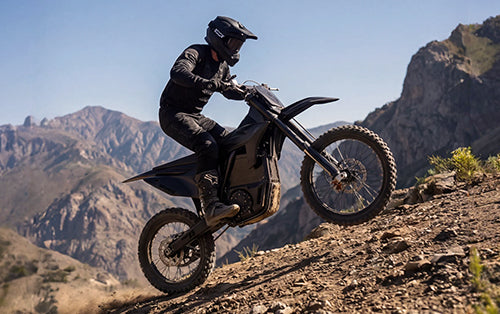
For example, the X1 Spark L, which uses a mid-drive power structure, can maintain more natural body posture changes on trail slopes and gravel climbs, making it easier for riders to control the riding line.
For off-road riding, passing through complex slopes steadily is often more meaningful than simply increasing power numbers.
Why Are More Electric Dirt Bikes Starting to Use Mid-Drive Motors?
In the past, mid-drive motors were more commonly seen on high-performance off-road models. But as the electric dirt bike market grows quickly, this structure is gradually entering more mainstream products.
The reason is not complicated. Today, more consumers are becoming interested in camping, trail exploration, and outdoor riding culture. Their needs are shifting from simply focusing on speed to paying more attention to the overall riding experience. Compared with paper specifications, stability, handling, and comfort across different terrains are becoming more important.
At the same time, young riders are also becoming an important user group in the electric dirt bike market. As a result, youth electric dirt bikes are also placing greater emphasis on handling and stability. Compared with simply pursuing high power, a mid-drive motor can help beginners adapt more easily to different terrains and reduce handling pressure on complex roads.
From an industry trend perspective, mid-drive motors are gradually evolving from a high-end configuration into an important choice for more off-road models.
Electric Motorcycle Power Systems Are Continuing to Upgrade
As battery technology, motor systems, and overall vehicle design continue to improve, more electric motorcycle models are adopting mid-drive power layouts. Compared with traditional rear hub motor solutions, this design can provide a more balanced vehicle center of gravity, more natural power delivery, and more stable performance on complex terrain.
For riders who love trail exploration, camping rides, and outdoor off-road riding, handling and stability are becoming increasingly important. Because of this, mid-drive power systems are being adopted by more models and are gradually becoming an important development direction for electric dirt bikes.
🏍️ Explore more electric motorcycle reviews, riding tips, and the latest model updates to learn more about the evolving world of electric motorcycles.


