


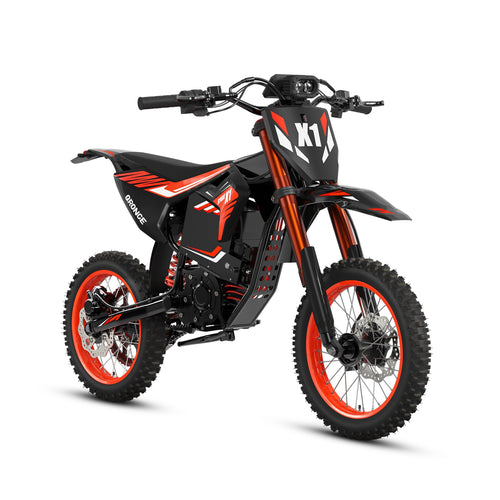
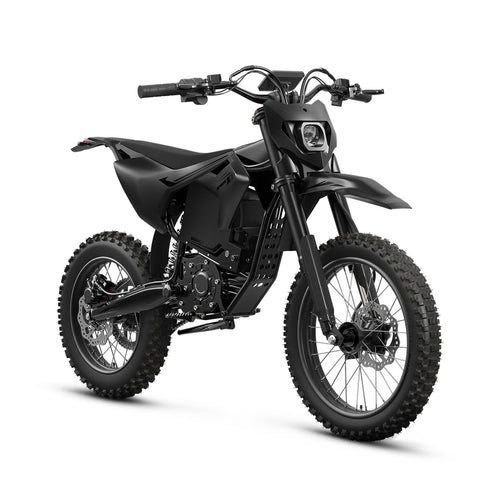
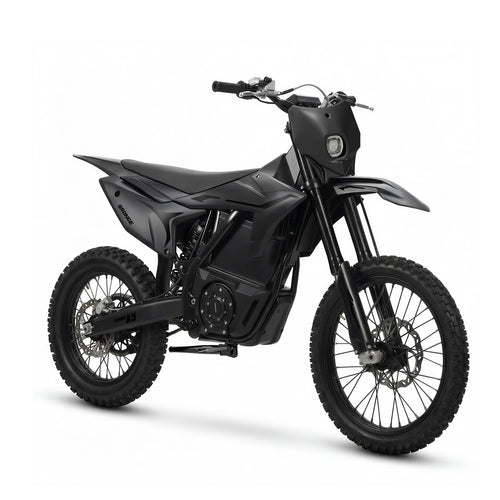
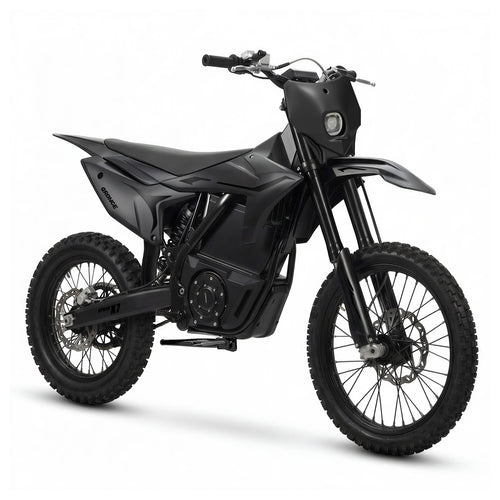


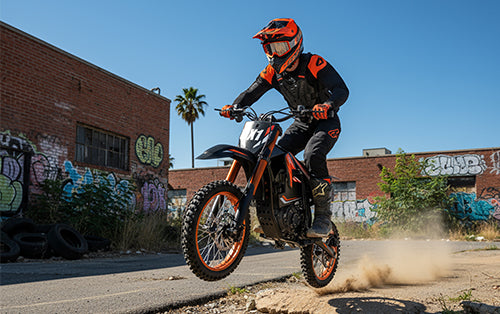
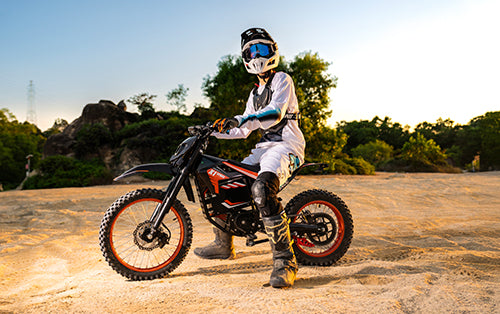
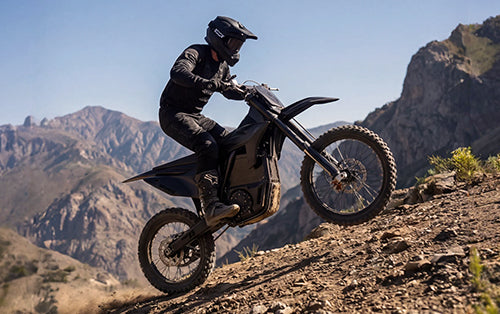
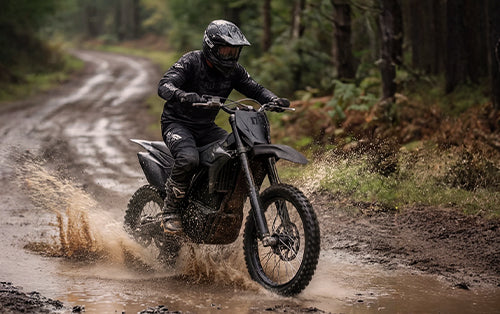

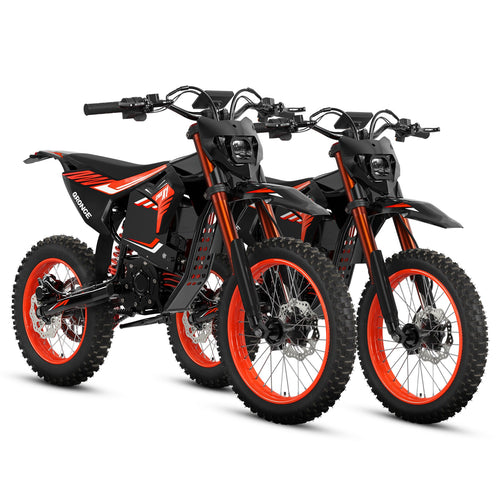
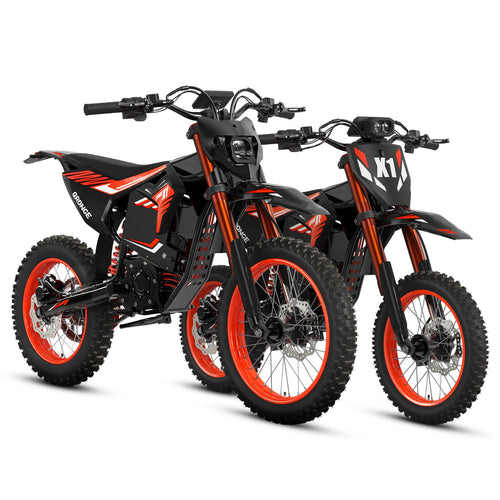




With their instant torque, silent motors, and minimal maintenance requirements, electric dirt bikes are rapidly becoming one of the hottest trends in the world of off-road riding. They offer a riding experience that is distinctly different from that of traditional gas-powered motorcycles.
However, before making a purchase, many riders ask the same question:
Do you need a driver's license to ride an electric dirt bike?
In most cases, if you are riding an electric dirt bike on off-road terrain—such as private property, dedicated motocross tracks, or designated off-road trail systems—you typically do not need to hold a driver's license.
For instance, riding within a private off-road trail system generally does not require a license; however, in regions like California or Texas, if you were to ride that very same vehicle on public city streets, you would be required to register the vehicle and possess a valid motorcycle license.
When You Don’t Need a License
In many situations, riders do not need a license to operate an electric dirt bike. This is because these bikes are commonly treated as off-highway vehicles (OHVs) rather than standard road vehicles.
Here are some common places where licenses are usually not required.
Riding on Private Property
If you are riding an electric dirt bike on private land, most regions do not require a driver’s license.
For example, riders often use electric dirt bikes on:
-
farms
-
ranches
-
private trail networks
-
large rural properties
Because these areas are not public roads, standard traffic laws typically do not apply. Many families allow young riders to practice riding on private land for this reason.
However, even on private property, safety rules still matter. Helmets and protective gear are strongly recommended, especially for beginners.
Riding at Motocross Tracks
Another place where licenses are usually unnecessary is motocross tracks or dedicated riding parks.
Motocross facilities are designed specifically for off-road bikes, so they operate under their own rules rather than standard traffic laws.
In most cases, riders only need to:
-
pay a track entry fee
-
follow safety guidelines
-
wear proper riding gear
Electric dirt bikes are becoming increasingly common at these tracks because their quiet operation allows more flexible riding hours compared to loud gas bikes.
Riding on OHV Trails
Many states have official Off-Highway Vehicle (OHV) trail systems where electric dirt bikes can be used.
For example, California has one of the largest OHV networks in the United States. Riders can use off-road vehicles in designated areas such as the Ocotillo Wells State Vehicular Recreation Area or the Imperial Sand Dunes.
In California, riders typically do not need a driver’s license for these trails. However, the bike may need to display an OHV registration sticker, often called the Green Sticker or Red Sticker program.
Other states with large OHV trail systems include:
-
Arizona
-
Utah
-
Nevada
-
Colorado
Each state has slightly different requirements, but the common theme is that licenses are usually not required for off-road riding.

When You Do Need a License
While off-road riding is usually unrestricted, things change when electric dirt bikes are used on public roads.
If a vehicle is operated on a public street, it may be classified as a motor vehicle, which often requires licensing.
Riding on Public Streets
Most electric dirt bikes are not designed for road use, and riding them on public streets can trigger additional legal requirements.
In many states, once a bike is used on public roads, riders may need:
-
a valid driver’s license
-
a motorcycle endorsement
-
vehicle registration
-
insurance
For example, in Texas, electric vehicles that exceed the typical e-bike limits may fall into motorcycle classifications when used on public roads. This means riders must meet the same requirements as traditional motorcycle riders.
Similarly, in California, high-powered electric bikes that are not classified as standard e-bikes must meet motorcycle requirements if operated on the road.
Why Power Matters
Another reason licensing rules change is motor power.
Most states define electric bicycles using strict limits:
-
motor power up to 750 watts
-
maximum assisted speed of 28 mph
Electric dirt bikes, however, often exceed these limits significantly. Many models have motors capable of several thousand watts and speeds far beyond typical commuter e-bikes.
Because of this, they are usually not classified as standard e-bikes.
Instead, they may fall into categories like:
-
off-road vehicles
-
motor-driven cycles
-
electric motorcycles
Once classified this way, licensing rules often apply.
Why Electric Dirt Bike Laws Can Be Confusing
Many riders are surprised by how complicated the laws around electric dirt bikes can be. This confusion exists because electric two-wheel vehicles fall into several different legal categories.
Understanding these categories helps explain why licensing requirements vary.
Electric Bicycles
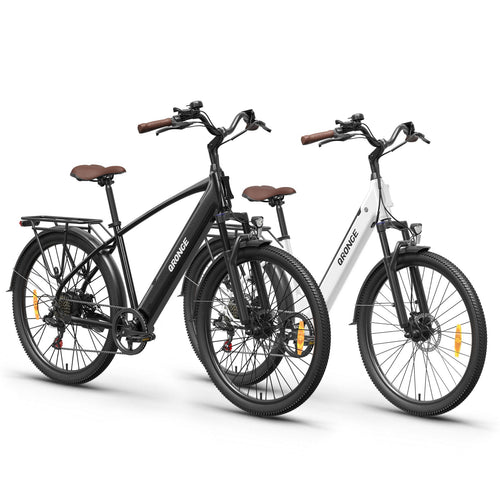
Electric bicycles are designed primarily for commuting and urban transportation.
They usually include:
-
pedals
-
limited motor power
-
lower top speeds
Because of these characteristics, they are often treated similarly to traditional bicycles.
In most states, no license or registration is required for these bikes.
Off-Road Electric Dirt Bikes
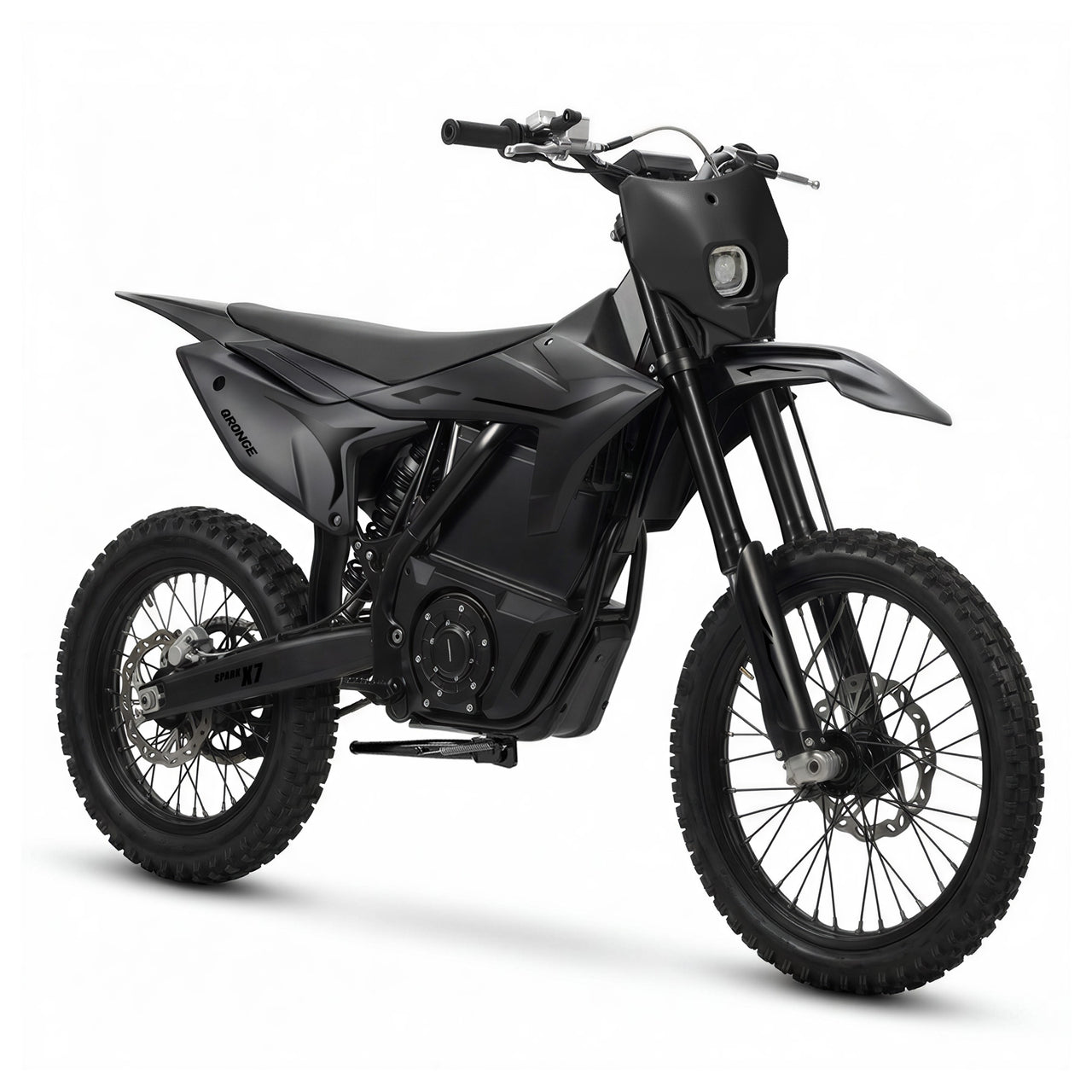
Electric dirt bikes are built for rugged terrain rather than city streets.
They usually include features like:
-
long-travel suspension
-
aggressive off-road tires
-
strong frames designed for jumps and rough terrain
Because of these characteristics, they are typically classified as off-highway vehicles rather than street vehicles.
As a result, they are commonly used on:
-
trails
-
dirt tracks
-
private land
where licensing rules are minimal.
Electric Motorcycles
Some high-performance electric dirt bikes are powerful enough to be considered motorcycles.
If a bike is capable of high speeds and is modified for street use, it may legally fall into the electric motorcycle category.
When this happens, riders usually need:
-
a driver’s license
-
motorcycle endorsement
-
registration and insurance
This is why many riders choose to keep electric dirt bikes strictly for off-road use.
Are Electric Dirt Bikes Street Legal?
Most electric dirt bikes are not street legal by default.
Street-legal vehicles usually need specific equipment to meet safety regulations.
These typically include:
-
headlights
-
brake lights
-
mirrors
-
turn signals
-
a horn
-
DOT-approved tires
Many electric dirt bikes do not include these components because they are designed for off-road riding.
Some riders modify their bikes to make them street legal, but this process can be complicated and depends heavily on local DMV rules.
Do Kids Need a License to Ride an Electric Dirt Bike?
Parents often wonder whether children need a license to ride electric dirt bikes.
In most off-road situations, kids do not need a driver’s license. However, certain guidelines usually apply.
For example:
-
younger riders may require adult supervision
-
helmets are often mandatory
-
some parks have minimum age requirements
Many OHV parks allow younger riders to operate dirt bikes as long as they follow safety rules and stay within designated riding areas.
Because electric dirt bikes can be powerful, it’s important for beginners to start with appropriate training and supervision.
Conclusion
In most cases, no license is required when riding off-road on private land, motocross tracks, or designated trail systems.
However, if you plan to ride on public streets or highways, the bike may be classified as a motor vehicle, which can require a driver’s license, registration, and insurance.
The key factor isn’t just the bike itself—it’s where and how you ride it.
As electric dirt bikes continue to grow in popularity, understanding the local regulations in your area is essential. Checking your state or regional laws before riding will help ensure you stay both safe and compliant while enjoying everything electric dirt bikes have to offer.
Looking for an Electric Dirt Bike to Get Started
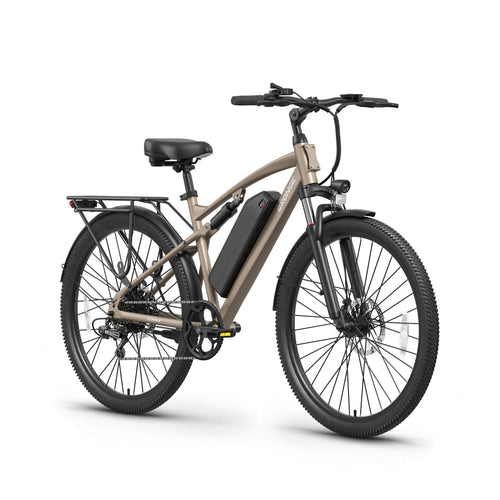
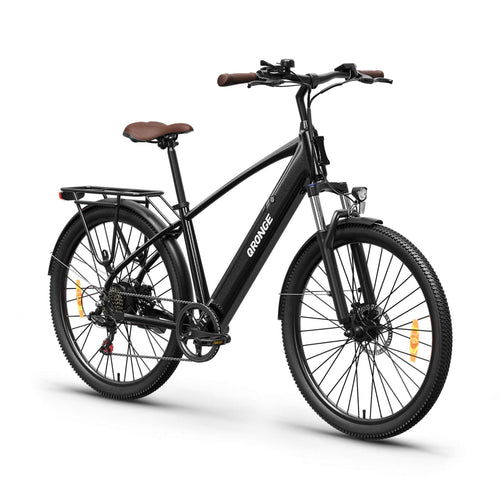
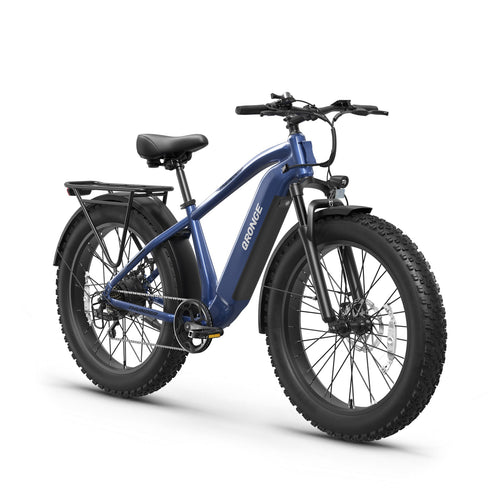
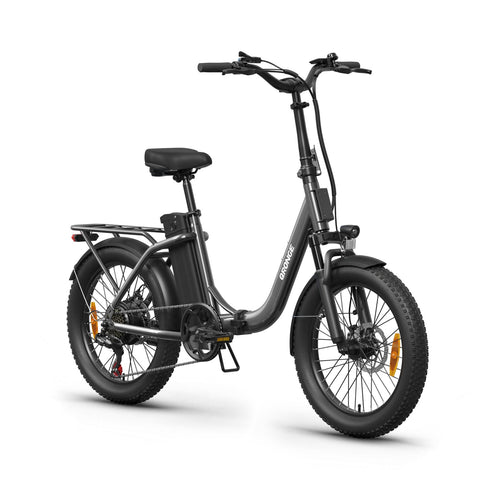
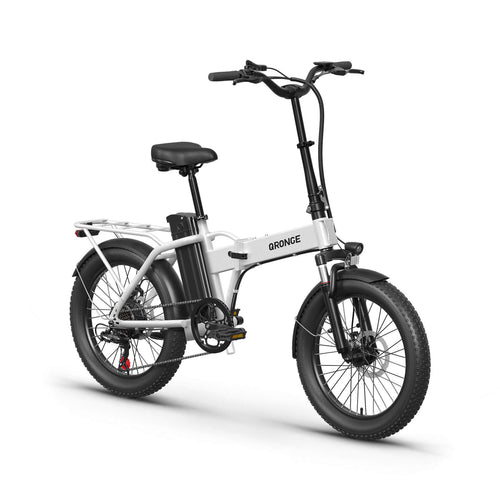
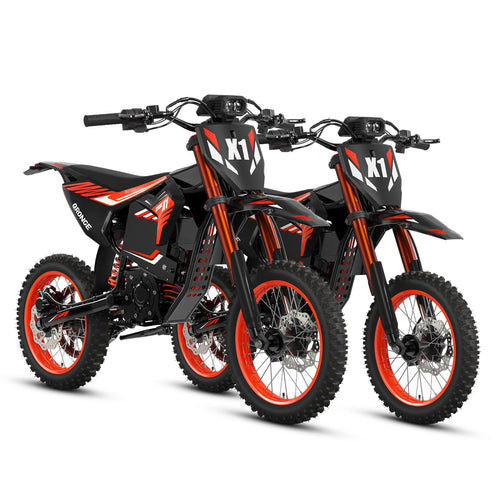
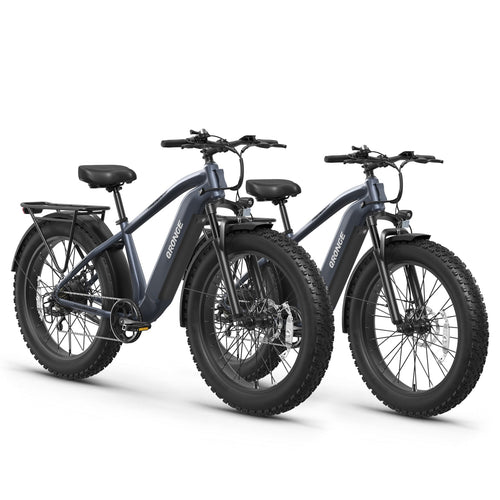
If you are considering purchasing an electric dirt bike, choosing a model that strikes the perfect balance between performance, reliability, and price is a truly smart move. Brands like Qronge design a wide range of electric dirt bikes specifically for both children and adults—making them an excellent choice for families looking to enjoy the thrill of off-roading together, as well as for riders eager to explore the off-road world alongside their companions.
Learn more: How to Choose an Electric Dirt Bike?


