





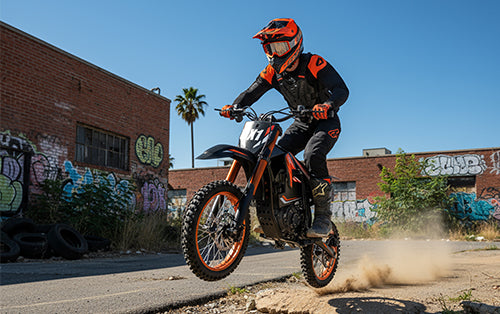
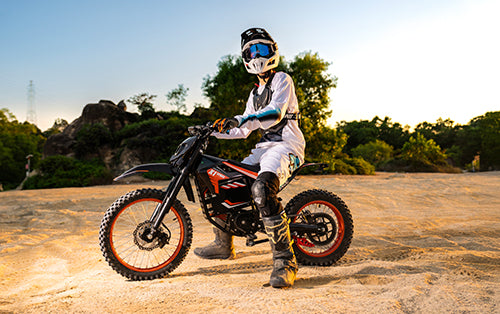
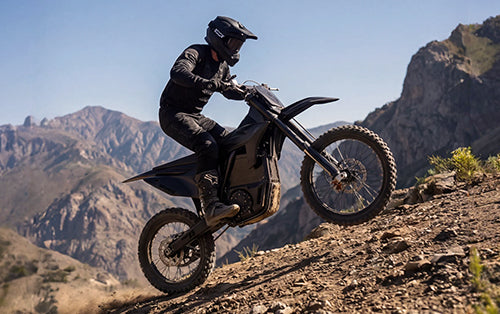
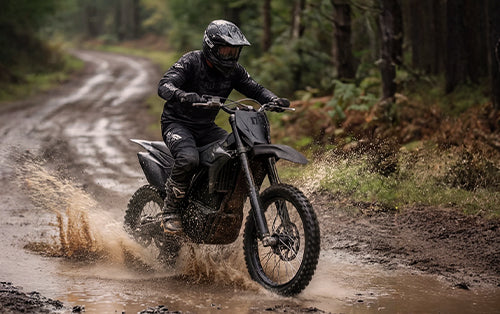
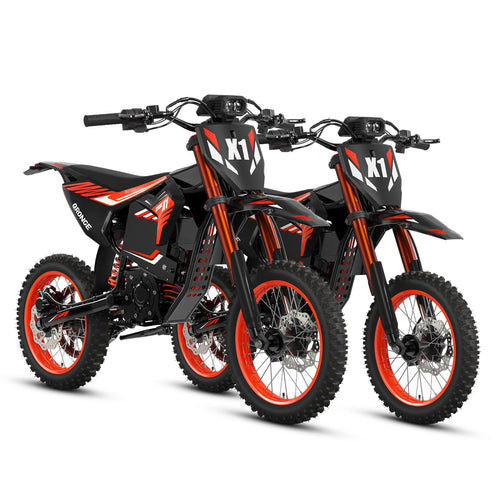
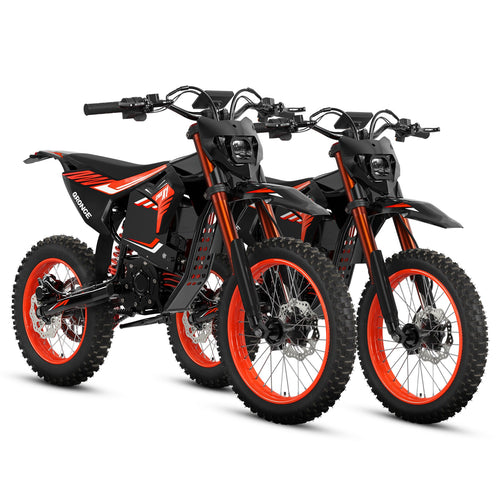



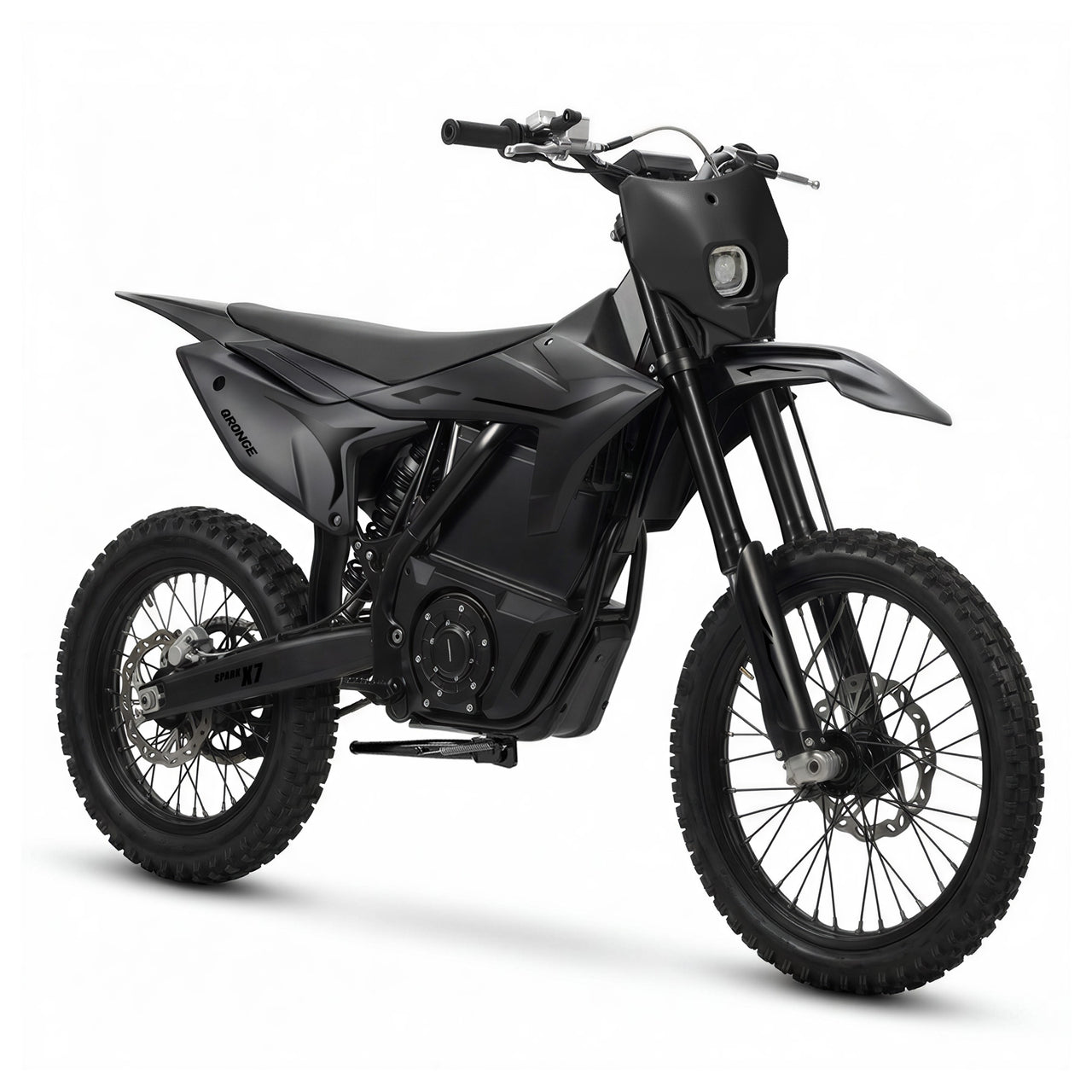


A 72V electric dirt bike can typically reach speeds between 40 mph and 70+ mph, depending on its motor power, controller setup, and riding conditions.
That said, not every 72V bike performs the same. Some are tuned for smooth trail riding, while others are built for high-speed performance and aggressive off-road use. If you're trying to understand what kind of speed to expect—and what actually affects it—this guide breaks it all down.
Average Speed of a 72V Electric Dirt Bike
One of the biggest misconceptions is that all 72V electric dirt bikes have the same top speed. In reality, performance varies based on how the bike is built.
Here’s a general breakdown of what you can expect:
|
Performance Level |
Typical Top Speed |
|
Entry-level 72V |
35–45 mph |
|
Mid-range |
45–60 mph |
|
High-performance |
60–70+ mph |
Entry-level models usually focus on control and efficiency, making them ideal for beginners or casual riders. Mid-range bikes strike a balance between speed and usability. High-performance models, on the other hand, are designed for riders who want maximum power, acceleration, and top-end speed.
What Affects the Top Speed of a 72V Electric Dirt Bike?
Voltage alone doesn’t determine speed. A 72V system provides the potential for high performance, but several components work together to define how fast the bike actually goes.
Motor Power
Motor wattage is one of the most important factors. A 72V bike with a 3000W motor will feel completely different from one with a 6000W or 12000W motor.
Higher wattage typically means:
-
Faster acceleration
-
Higher top speed
-
Better performance on hills and rough terrain
Controller Output
The controller regulates how much power flows from the battery to the motor. Even with a 72V battery, a limited controller can restrict performance.
A higher-output controller allows the motor to draw more current, which directly impacts speed and responsiveness.
Battery Performance
It’s not just about voltage—battery quality and discharge rate matter too.
A battery with strong output capability helps maintain:
-
Stable high speeds
-
Consistent performance under load
Lower-quality batteries may struggle to deliver power efficiently, especially at higher speeds.
Rider Weight
Heavier riders may notice slightly lower top speeds, especially on inclines or off-road terrain. While the difference isn’t extreme, it’s noticeable in real-world riding conditions.
Terrain and Tires
Where and how you ride plays a big role in speed.
-
Flat pavement allows higher top speeds
-
Dirt trails and uneven terrain reduce speed due to resistance
-
Fat tires improve traction but can slightly limit top speed
This is why the same bike can feel very different depending on the riding environment.
How 72V Compares to 48V and 60V Electric Dirt Bikes
To better understand 72V performance, it helps to compare it with lower voltage systems.
|
Voltage |
Typical Speed |
Best For |
|
48V |
20–30 mph |
Casual riding, beginners |
|
60V |
30–45 mph |
Intermediate riders, mixed use |
|
72V |
40–70+ mph |
High-performance, off-road riding |
Higher voltage systems allow more power to be delivered to the motor. While voltage alone doesn’t determine speed, it creates the foundation for higher performance.
In simple terms, 72V is where electric dirt bikes move from recreational riding into true performance territory.
What Riders Actually Experience
Top speed numbers are useful, but they don’t always reflect how people ride in real life.
Here’s what typical riding looks like:
-
Trail riding → 30–50 mph
-
Open terrain → 50–70 mph
-
Casual cruising → 25–40 mph
Most riders don’t ride at maximum speed all the time. Instead, they adjust their speed based on terrain, comfort level, and safety.
This is also where torque becomes important. A bike with strong torque can feel more powerful and responsive even if you're not riding at top speed.
Are 72V Electric Dirt Bikes Street Legal?
This is one of the most common questions—and the answer depends on how and where you ride.
In most cases, 72V electric dirt bikes are not classified as standard e-bikes, mainly because:
-
They exceed typical speed limits (usually 20–28 mph)
-
They have significantly higher power output
Because of this, they are generally considered off-road vehicles.
If you plan to ride on public roads, you may need:
-
Registration
-
A driver’s license
-
Insurance
Rules vary by state, so it’s always a good idea to check local regulations before riding.
Example of a High-Performance 72V Electric Dirt Bike
To give you a clearer idea of what 72V performance looks like, consider modern high-performance models in this category.
For example, some 72V electric dirt bikes are equipped with:
-
High-output motors (up to 12000W)
-
Large-capacity batteries (72V 50Ah)
-
Torque levels exceeding 400 Nm
-
Top speeds approaching 70 mph
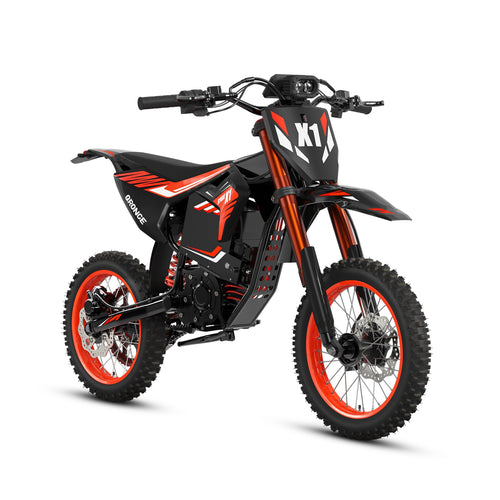
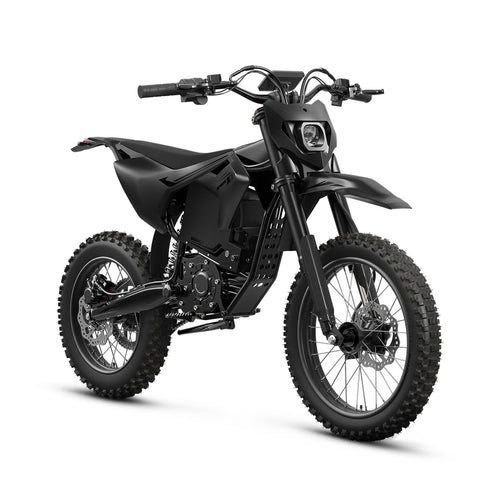
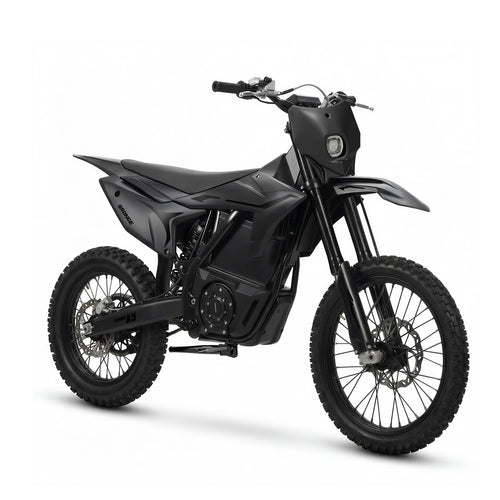
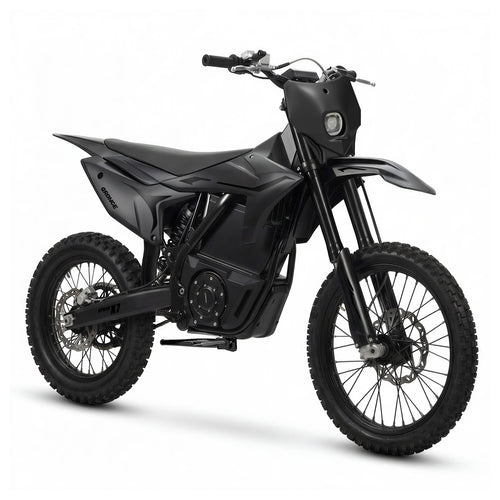
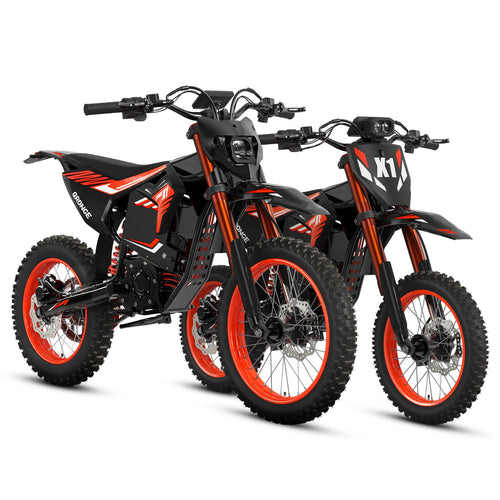
Models like the Qronge X7 Spark fall into this category, offering strong acceleration, long range, and performance designed for demanding off-road riding.
X7 Spark
Is a 72V Electric Dirt Bike Worth It?
A 72V electric dirt bike can be a great investment—but only if it matches your riding needs.
It’s worth it if you:
-
Want higher speeds and faster acceleration
-
Ride off-road or on trails regularly
-
Enjoy performance-focused riding
It may not be ideal if you:
-
Only need a bike for short city trips
-
Prefer a lightweight, low-speed setup
-
Are new to riding and want something easier to handle
For experienced riders, 72V bikes offer a noticeable upgrade in power and capability compared to lower-voltage options.
Conclusion
In most cases, you can expect speeds between 40 mph and 70+ mph, depending on the bike’s setup and riding conditions.
But speed isn’t the only thing that matters. What makes 72V electric dirt bikes stand out is their ability to deliver:
-
Strong acceleration
-
High torque
-
Consistent performance across different terrains
If you're looking for more than just a basic ride, a 72V electric dirt bike offers a clear step up in performance.
Learn more: How to Choose the Right Electric Dirt Bike for Your Child
FAQs
Can a 72V electric dirt bike reach 70 mph?
Yes, high-performance 72V electric dirt bikes can reach speeds of 70 mph or even slightly higher under the right conditions. However, this usually depends on factors like motor power, controller output, and rider weight. Not every 72V bike is built for maximum speed—some are tuned for better control or longer range. Models designed for performance riding, especially those with powerful motors and high-capacity batteries, are the ones most likely to hit that top-end speed.
Is 72V faster than 60V?
In general, yes—a 72V system has the potential to be faster than a 60V setup because it can deliver more power to the motor. That said, voltage alone doesn’t determine speed. A well-tuned 60V bike with a strong motor can still outperform a lower-powered 72V bike. What really matters is the combination of voltage, motor wattage, and controller configuration working together.
Is a 72V electric dirt bike safe for beginners?
A 72V electric dirt bike can be safe for beginners, but it requires some caution. These bikes are powerful and can accelerate quickly, which might feel overwhelming at first. Many models offer different riding modes, so beginners can start in a lower power setting and gradually build confidence. Wearing proper safety gear and practicing in controlled environments is especially important when starting out.
Do you need a license for a 72V electric dirt bike?
In most cases, you don’t need a license if you’re riding a 72V electric dirt bike off-road, such as on private land or designated trails. However, if you plan to ride on public roads, things can change. Because of their speed and power, many 72V bikes don’t meet standard e-bike classifications, so they may require registration, a driver’s license, and even insurance depending on your local laws.
How fast is a 72V electric dirt bike compared to a motorcycle?
A 72V electric dirt bike can be surprisingly fast and, in some cases, comparable to entry-level gas motorcycles. High-performance models can reach speeds in the 60–70 mph range, which overlaps with smaller displacement motorcycles like 125cc or 150cc bikes. While they may not match larger motorcycles in top speed, their instant torque and quick acceleration can make them feel just as exciting to ride.


