


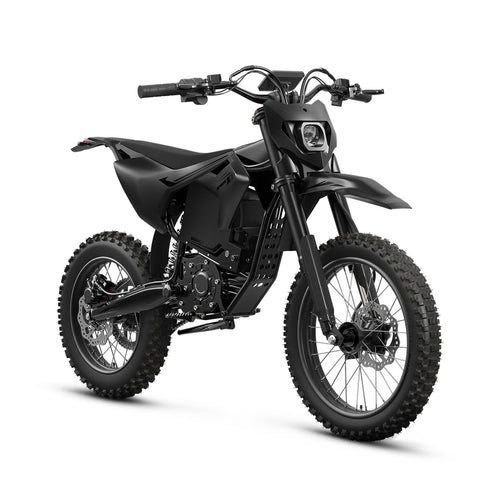


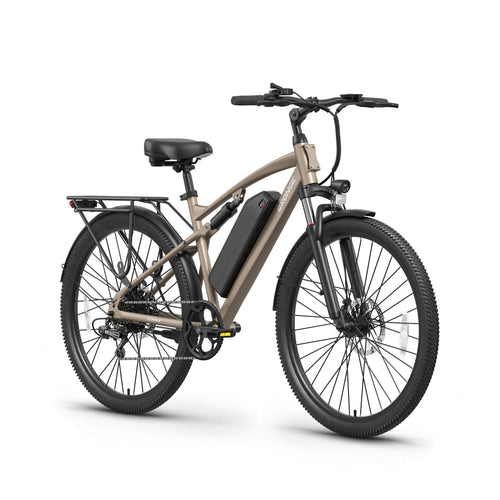

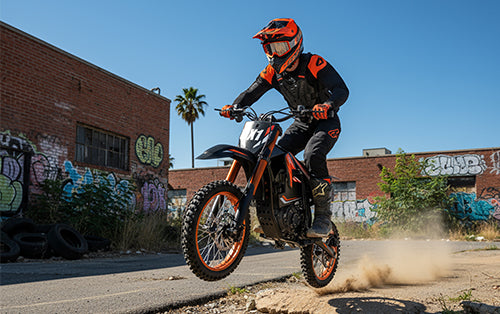

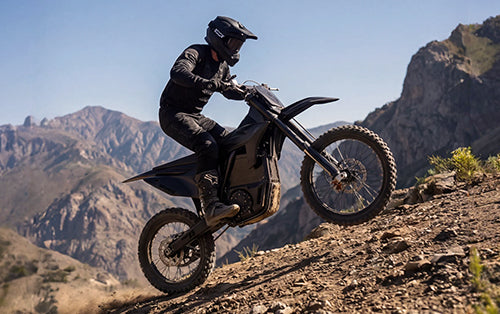
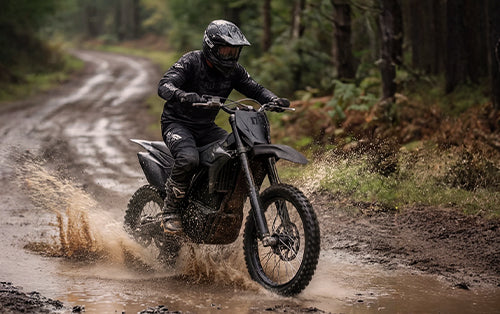





If you’ve been looking into the new Heybike Villain, you’re not alone. With its own dedicated website, bold visual identity, and strong early buzz, Villain has quickly caught the attention of riders interested in entertainment-focused electric dirt bikes.
As interest in the Villain grows, many riders naturally start looking for more context. Beyond the marketing highlights, how does it compare with other established options in the same category?
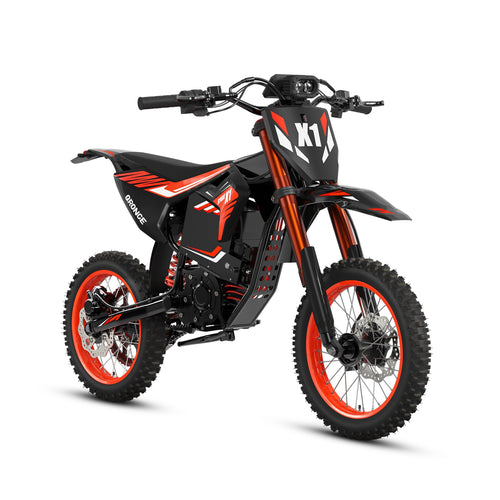
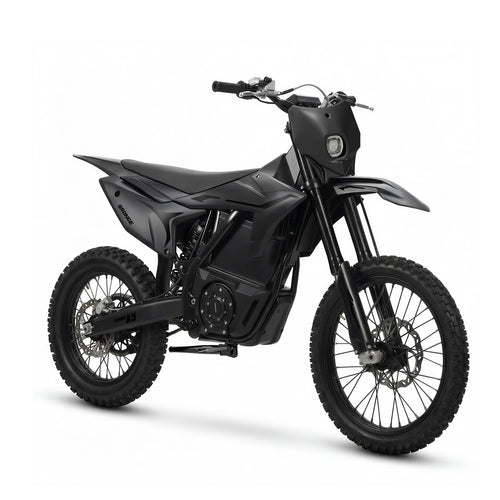
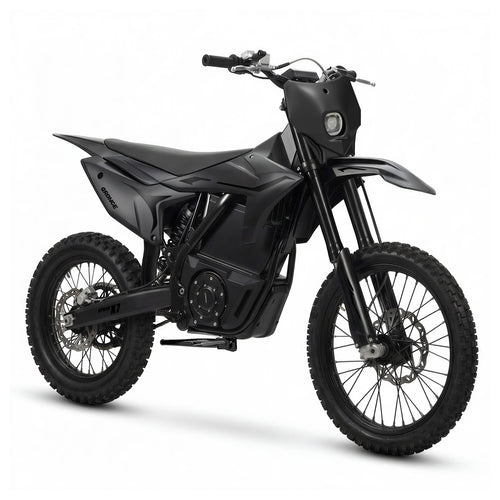
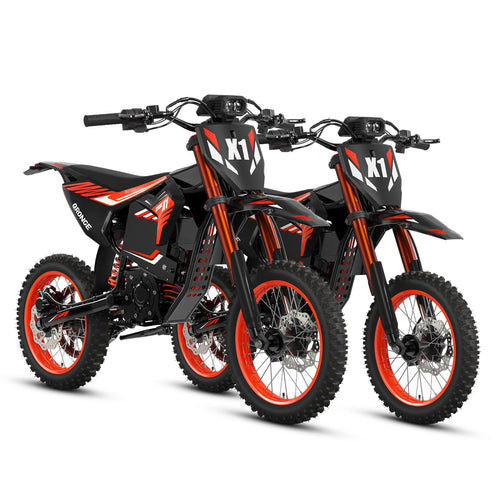
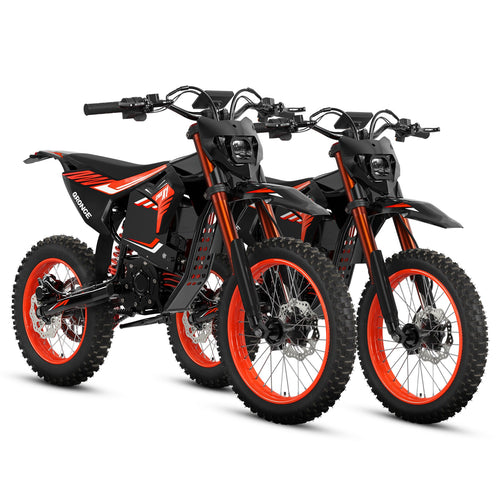
In this article, we take a closer look at how the Heybike Villain compares with the Qronge X1 SPARK, based on currently available information.
How to Think About Comparing a New Model Like the Villain
When a new electric dirt bike launches with a dedicated site and strong branding, it often signals a clear design direction and a specific type of rider the product is meant to attract. At the same time, early interest usually comes with questions around how the bike fits into the broader market.
Rather than focusing only on headline numbers, it helps to look at three things:
-
How the bike is intended to be ridden
-
How much flexibility it offers over time
-
How clearly its specifications and configuration are defined today
Keeping these points in mind makes it easier to understand how the Villain and the X1 SPARK approach the same category from different angles.
Where Each Bike Is Positioned
Based on Heybike’s published materials, the Villain is positioned around approachability and immediate rideability. Its low frame design, stable tire setup, and smart controller are intended to make the bike feel easy to handle across a wide range of skill levels. Heybike also places strong emphasis on street-style riding and social riding culture, including wheelies and meet-up use.
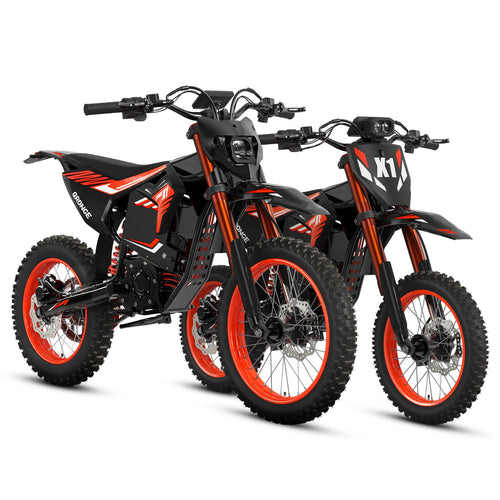
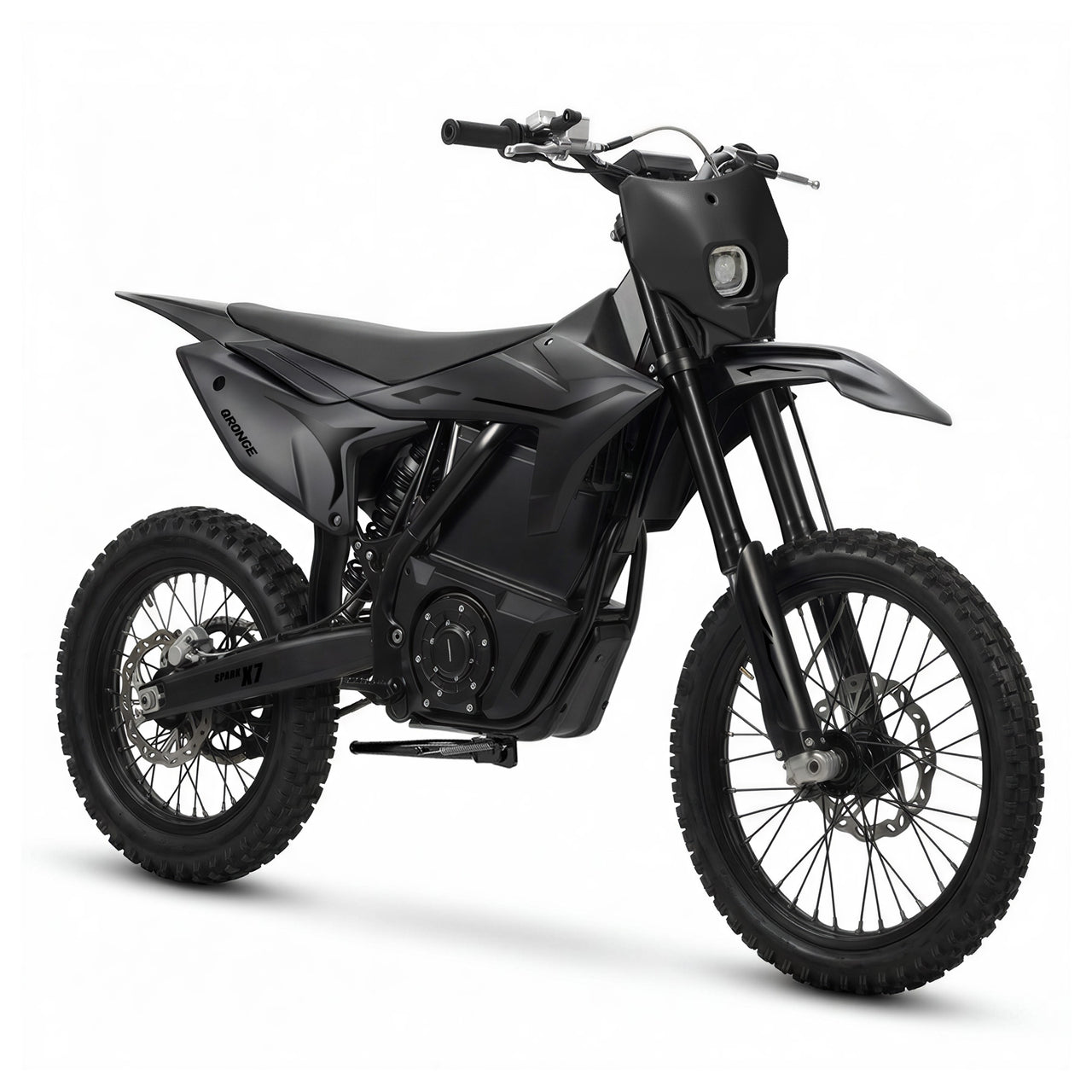
The Qronge X1 SPARK, by contrast, is positioned as a more performance-forward option with clearly defined riding modes. Its higher-voltage battery system and adjustable power settings allow riders to manage performance early on, while still having access to higher output as needs change.
Learn more: How to Choose an Electric Dirt Bike: A Buying Guide
Comparing Published Specifications
The table below compares the key specifications that have been publicly shared for both models. This comparison is based on currently available information and is intended to provide context, not hands-on evaluation.
|
Model |
Peak Power |
Torque |
Top Speed |
Battery |
Riding Modes |
Price |
|
Qronge X1 SPARK |
4500W |
283 Nm |
Up to 50 mph |
60V 28.8Ah (1728Wh) |
ECO / Sport / Turbo |
$1,149.99 |
|
Heybike Villain |
4160W |
190 Nm |
Up to 45 mph |
52V 26Ah (1352Wh) |
Smart controller |
Early Bird $1,399 |
On paper, both bikes offer performance well beyond basic entry-level electric bikes, but their configurations point toward different riding priorities.
What These Differences Mean in Real Use
The X1 SPARK’s higher voltage system and greater torque output provide stronger acceleration and more performance headroom, especially when climbing or carrying heavier loads. Just as important, the three riding modes allow that power to be adjusted, making it easier to match the bike’s behavior to different riding situations.
The Villain’s setup emphasizes balance and stability. With slightly lower torque and top speed, its power delivery is designed to feel predictable and easy to manage. Combined with its geometry and suspension setup, this supports the kind of street-focused, social riding experience that Heybike highlights in its messaging.
In practical terms, the X1 SPARK feels like a bike that can evolve with the rider, while the Villain feels like a bike designed to be enjoyed immediately without much adjustment.
X1 Spark M
Battery, Range, and Day-to-Day Convenience
Battery configuration affects both how long you can ride and how you plan your riding sessions.
The X1 SPARK uses a 60V 28.8Ah battery, offering up to 60 miles of range under appropriate conditions. This larger capacity supports longer sessions, especially when riding in lower or mid-level modes.
The Villain’s 52V 26Ah battery is rated for up to 50 miles and pairs with a faster 5A charger, reaching full charge in approximately 4–6 hours. For riders who value shorter charging windows between rides, this is a practical advantage worth noting.
Both approaches make sense; the difference lies in whether longer sessions or quicker recharge times matter more to you.
Which Bike Makes Sense for Different Riders
Rather than choosing a “winner,” it’s more useful to think about which approach aligns with how you plan to ride.
If you’re drawn to the Heybike Villain, it’s likely because you value ease of handling, street-oriented riding, and a bike that feels intuitive from the first ride. Its design and messaging clearly support that experience.
If you’re considering the Qronge X1 SPARK, flexibility and performance range are likely higher priorities. The combination of riding modes, higher torque, and larger battery make it well suited for riders who want a bike that can adapt as their needs change, without feeling limited a few months down the road.
Conclusion
The attention around the Heybike Villain shows strong interest in electric dirt bikes that emphasize style, accessibility, and social riding. It’s a direction that clearly resonates with many riders.
At the same time, the Qronge X1 SPARK stands out as a model with well-documented real-world feedback. Riders consistently point to its strong performance and value for the price, while also being open about its trade-offs. That clarity helps set realistic expectations before buying.
Ultimately, the choice comes down to what you value more: the appeal of a newly released model, or a bike whose strengths and limitations are already well understood.
Learn more: Qronge X1 SPARK vs HappyRun G300 SE


