



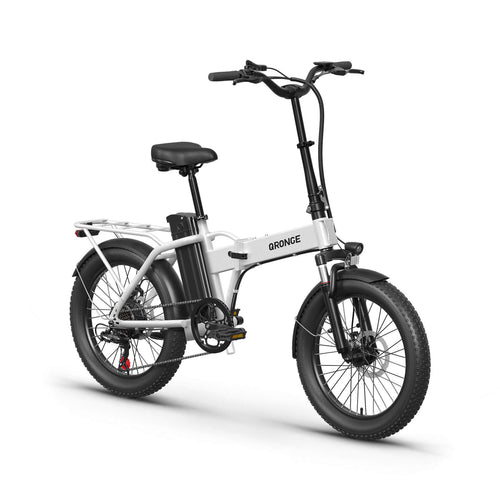
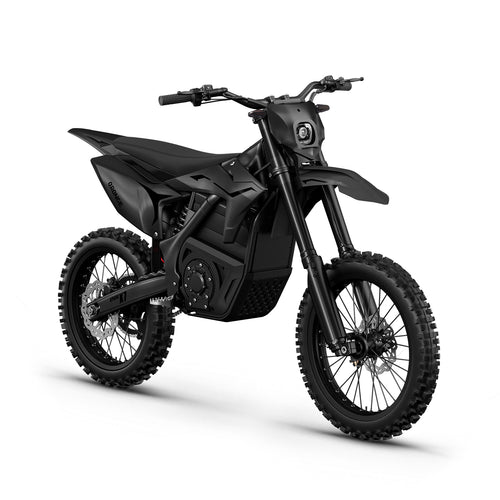





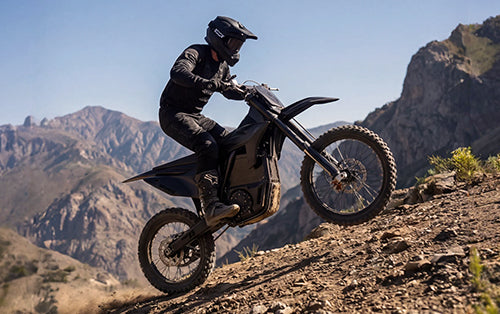



As winter approaches, many electric dirt bike owners take a break from off-road riding. In the northern United States, prolonged cold temperatures, snow, and ice can make trails and off-road riding areas unsuitable for months. If an electric dirt bike won't be used all winter, how should it be stored properly?
To prepare an electric dirt bike for winter storage, keep its battery at the charge level specified by the manufacturer, thoroughly clean and dry the bike, and inspect the tires, chain, and brakes. Store it in an appropriate location and check its condition periodically throughout winter.
Unlike gas-powered dirt bikes, electric dirt bikes don't require fuel or engine oil maintenance. However, long-term storage can still lead to battery over-discharge, rust on metal components, tire pressure loss, and moisture buildup around electrical connections.
Preparing your bike before storage can help reduce wear and potential damage during winter and make it easier to get back to off-road riding in the spring.
Why Does an Electric Dirt Bike Need Maintenance Before Winter Storage?
Even when an electric dirt bike isn't used for an extended period, the condition of its battery and mechanical components can still change.
First, the battery. Lithium-ion batteries slowly self-discharge even when not in use, and some of the bike's electronic systems may continue to draw small amounts of power. Starting storage with insufficient battery charge and leaving it unmonitored for too long can result in over-discharge, potentially affecting the battery's ability to charge and function afterward.
Next, the storage environment. Garages and storage sheds can experience significant temperature changes during winter. Condensation and lingering moisture can promote rust on metal parts, including the chain and brake rotors, while potentially affecting electrical connections.
Tires can also gradually lose air pressure during long-term storage. If tire pressure gets too low and the bike remains resting on the same contact area, the risk of localized tire deformation may increase.
Therefore, winter maintenance isn't about adding complicated repair tasks. It's about taking care of components that are vulnerable to cold temperatures, moisture, and extended periods of storage.
How to Store an Electric Dirt Bike Battery for Winter
Battery care is a key part of preparing an electric dirt bike for months without use. Maintaining an appropriate charge, choosing the right temperature conditions, and monitoring the battery periodically can help preserve its condition during storage.
What battery charge level should you maintain before winter storage?
It's not recommended to keep the battery at 100% charge for long-term storage, nor should it be stored at a charge level close to 0%.
For many lithium-ion batteries, 40%–60% is a common reference range for long-term storage. However, battery chemistry, battery management systems, and standby power consumption can vary, so the manufacturer's recommendations should take priority.
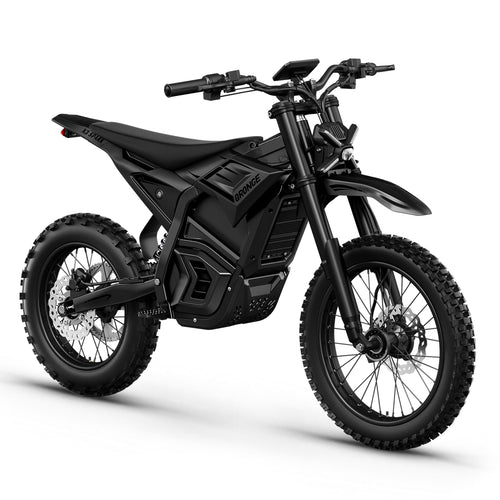
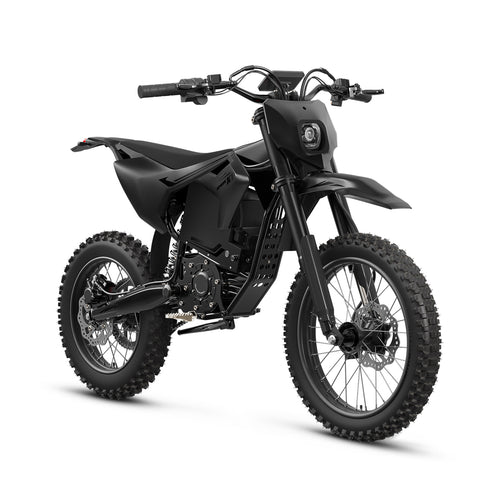
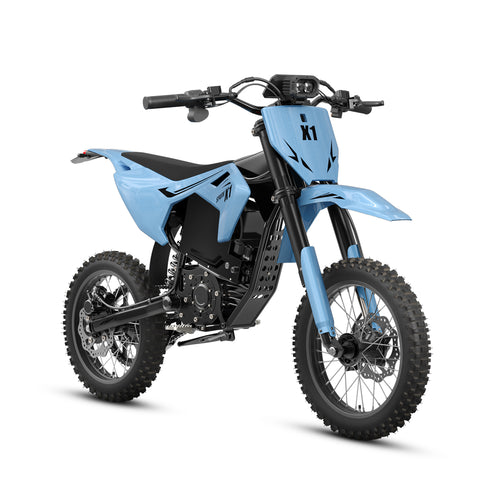
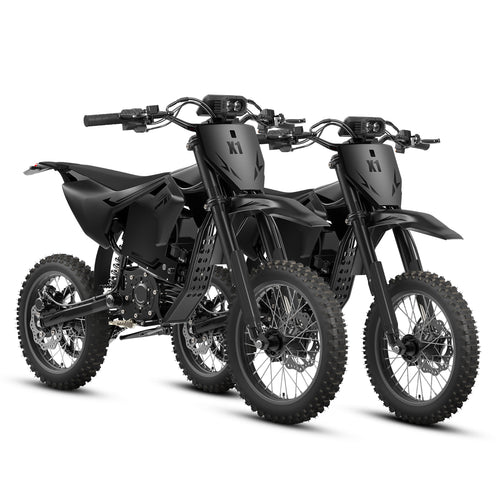
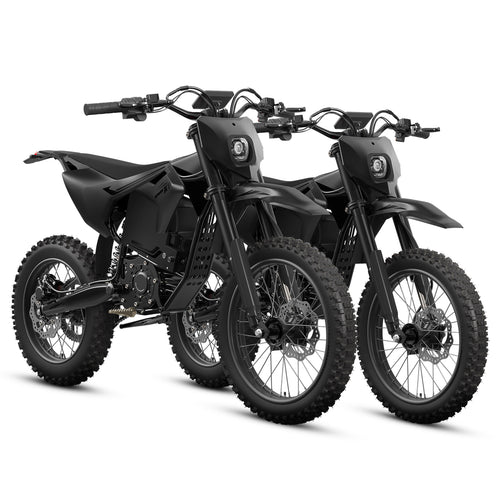
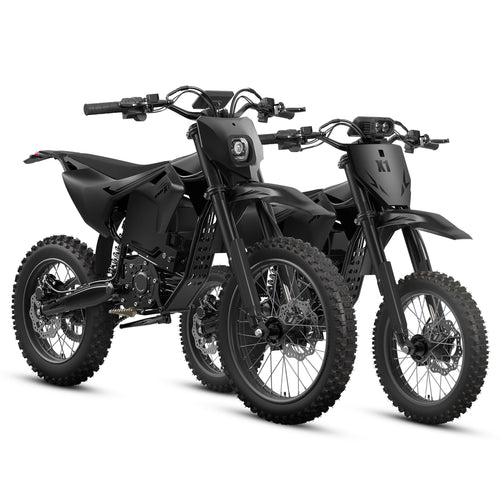
For example, Qronge's X1 series, X5, and X7 electric dirt bikes have different battery configurations. Owners should refer to the instructions for their specific model to determine the appropriate storage charge level rather than relying solely on voltage ratings such as 60V or 72V. Recording the remaining battery charge before storage can make it easier to check the battery's condition later.
Is Battery Removal Necessary for Winter Storage?
Whether the battery needs to be removed depends on the bike's design and storage conditions. If the battery is designed to be removable by the owner and the garage gets cold during winter, it can be removed according to the owner's manual and stored separately in a dry location with relatively stable temperatures that meet fire safety requirements. If the battery is permanently installed or removal involves internal wiring and electrical connections, removing it yourself is not recommended.
Whether the battery is removed or not, keep the following precautions in mind:
- Turn off the bike and follow the owner's manual for proper shutdown.
- Keep the battery away from water, snow, and conductive metal objects.
- Choose a battery storage spot away from radiators, space heaters, and other equipment that produces heat.
- Do not open the battery casing or modify its internal wiring.
- Use a manufacturer-approved charger rather than switching to an incompatible charging device.
Also, choose a storage location that does not obstruct emergency exits or stairways and is appropriate for lithium-ion batteries.
Protecting Your Electric Dirt Bike Battery Against Winter Cold
Cold temperatures can affect lithium-ion battery charging performance, and charging certain lithium-ion batteries below freezing may cause damage. If the battery has been stored in a cold garage or shed for an extended period, make sure its temperature has returned to the manufacturer's approved charging range before using a compatible charger.
Keep in mind that a battery's permitted storage temperature range may differ from its allowed charging temperature range.
Even if the bike has a battery management system, its built-in protection cannot fully replace proper cold-weather storage and charging practices.
How to Clean and Maintain an Electric Dirt Bike Before Winter Storage
Electric dirt bikes are often ridden on muddy trails, sandy terrain, and forest trails. If mud, dirt, and moisture are left on the bike after the last ride and it is stored for several months, they may accelerate corrosion and wear on certain components.
Before storing the bike for winter, give it a thorough cleaning and check its overall condition.
Clean the bike and keep it dry
Focus on cleaning areas where mud and dirt tend to accumulate, including the tires, fenders, underside of the frame, and areas around the suspension.
Use a soft brush, damp cloth, or a manufacturer-approved cleaning method to remove dirt. Keep high-pressure water away from electrical parts, including battery connectors, charging ports, and controller connections.
After cleaning, wipe away moisture with a clean cloth and place the bike in a dry, well-ventilated area. Make sure the gaps in the frame and other areas where water can collect are completely dry.
Clean and lubricate the chain
Mud, dirt, and moisture left on the chain can increase the risk of rust during long-term storage.
Before storage, remove dirt from the chain, then apply a suitable lubricant based on the chain type. Also, check for looseness, rust, or unusual stiffness.
If the chain or sprockets show significant wear, they should be adjusted or replaced according to the manufacturer's recommendations.
Inspect the electrical system and frame connections
Check visible charging ports, wires, and wiring harnesses for damage, loose connections, or corrosion. Also, inspect the frame joints, foot pegs, handlebars, and other components for any noticeable looseness.
If the battery casing is damaged, wires are broken, or connectors show signs of burning, contact a professional technician. Leave electrical system disassembly to a qualified technician rather than attempting it yourself.
How to Protect Tires, Brakes, and Suspension During Long-Term Storage
In addition to the battery, the tires, brakes, and suspension should also be checked before winter storage. Although these components are not in continuous use during storage, they can still be affected by weight, moisture, and environmental changes.
What tire pressure should you maintain?
Before long-term storage, adjust the tire pressure according to the recommendations for your specific bike model and the tire manufacturer, rather than inflating the tires to their maximum permitted pressure to prevent air loss.
Underinflated tires may develop localized deformation when supporting the bike's weight in the same position for months.
Before storage, check the following:
- Make sure the front and rear tire pressures meet the recommended levels.
- Check the tread and sidewalls for cracks, bulges, or unusual wear.
- Inspect the rims, spokes, and valve stems for damage.
If you plan to store the bike for several months and have a stable stand suitable for your model, consider using it to reduce the weight resting on the tires. If a suitable stand is unavailable, avoid raising the bike with unstable makeshift supports such as wooden blocks.
How should you maintain the brakes?
Check the brake rotors, pads, and other braking components for visible damage or wear before putting the bike away. All braking surfaces should be clean and dry.
For bikes equipped with hydraulic brakes, inspect the hoses and their connections for any signs of fluid leakage. Keep chain lubricants and oil-based rust inhibitors off brake rotors and pads, since contamination of their friction surfaces can reduce braking performance.
Does the suspension need special maintenance?
In general, winter storage does not require removing the front fork or rear shock. The main tasks are to remove mud and dirt from the fork tubes and areas around the seals, and check for oil leaks, scratches, or noticeable looseness.
If the suspension already shows abnormal rebound behavior or oil leaks, it is best to have it inspected by a professional before storage.
Where Is the Best Place to Store an Electric Dirt Bike in Winter?
A dry, well-ventilated location with relatively stable temperatures that meets the battery's storage requirements is generally better for long-term electric dirt bike storage.
Common storage locations for U.S. owners include indoor garages, unheated garages, separate storage sheds, and covered outdoor areas. The main differences between these locations are temperature, humidity, and exposure to rain and snow.
|
Storage location |
Main advantages |
Things to consider |
|
Indoor garage |
Usually reduces direct exposure to rain and snow |
Humidity, battery temperature, and fire safety |
|
Unheated garage |
Spacious and convenient for storage |
Prolonged cold temperatures, condensation, and charging restrictions |
|
Separate storage shed |
Reduces the space the bike takes up in living areas |
Temperature fluctuations, moisture, and rodent activity |
|
Covered outdoor area |
Does not require additional indoor space |
More exposure to winter weather, including rain, snowfall, ice, and extended periods of cold |
In areas where winter temperatures frequently drop below freezing, pay particular attention to the battery's storage temperature. If the garage is cold and the battery is removable, consider storing it separately from the bike according to the manufacturer's instructions.
If the bike can only be stored in a covered outdoor area, use a breathable cover designed for outdoor vehicle storage and avoid direct contact with standing water or prolonged exposure to rain and snow.
Although an ordinary dust cover can block some dust, rain, and snow, it cannot protect against low temperatures. Non-breathable covers may also trap moisture around the bike.
Electric Dirt Bike Winter Storage Checklist
If you plan to leave your electric dirt bike unused throughout the winter, use the following checklist to make sure all storage preparations are complete.
|
Component |
Before storage |
During storage |
|
Battery |
Set the charge level to the manufacturer's recommended range and turn off the power |
Regularly check the charge level and battery condition |
|
Tires |
Check tire pressure, sidewalls, and tire damage |
Look for air leaks and localized deformation |
|
Chain |
Clean, dry, and lubricate properly |
Check for rust and unusual stiffness |
|
Brakes |
Inspect brake rotors, pads, and hoses |
Watch for corrosion and leaks |
|
Suspension |
Remove mud and dirt, and inspect the seals |
Check for oil leaks and other abnormalities |
|
Electrical system |
Inspect external wiring, connectors, and charging ports |
Keep dry and watch for signs of moisture |
|
Frame |
Clean the bike and inspect mounting components |
Check for rust and loose parts |
|
Storage environment |
Choose a dry location with suitable temperatures |
Monitor humidity, temperature, and protective measures |
For most owners, winter storage does not require complicated disassembly of the bike. What matters most is making sure the bike is clean, inspected, and properly protected before storage.
How Often Should You Check an Electric Dirt Bike During Winter Storage?
Even if you don't ride your electric dirt bike all winter, it's not recommended to leave it in the garage without checking it.
Unless the manufacturer recommends more frequent checks, a monthly visual inspection is a reasonable starting point. Focus on the remaining battery charge, tire pressure, rust on the chain, and any moisture or standing water in the storage area. For battery monitoring and recharging frequency, refer to the instructions provided for your particular model.
Regular inspections don't mean the battery needs to be charged every month. As long as the battery charge stays within the manufacturer's specified storage range, recharging is generally not needed.
If the battery shows signs of swelling, unusual odors, leaks, or overheating, stop using and charging it and contact a professional.
Further Reading | For more information on routine electric dirt bike maintenance and pre-ride inspections, check out the following Qronge guide: Electric Dirt Bike Maintenance Checklist: What to Maintain and How Often?
How to Get Your Electric Dirt Bike Ready to Ride After Winter Storage
After several months of storage, a basic inspection should be completed before riding again in the spring rather than heading straight onto the trails.
First, check the battery's appearance, remaining charge, and charging port. If the battery has been exposed to cold temperatures for an extended period, make sure it has reached the manufacturer's approved charging temperature range before charging.
Next, check the front and rear tire pressure, brakes, chain, suspension, and frame connections to make sure there are no noticeable air leaks, loose parts, fluid leaks, or corrosion.
Once the inspection is complete, begin with a brief test ride at low speed on level ground in an area where riding is allowed. Make sure the bike's throttle response, braking, and steering are working properly before gradually returning to regular off-road riding.
Further Reading | For more information on routine electric dirt bike maintenance and pre-ride inspections, check out the following Qronge guide: What Should You Check Before Your First Electric Dirt Bike Ride?
Get Ready for Your Next Off-Road Ride
Proper long-term winter storage for an electric dirt bike starts with battery, tire, and overall bike maintenance, along with regular checks during storage. Taking care of these basics can help reduce problems caused by extended storage and make it easier to get back to riding in the spring.


