


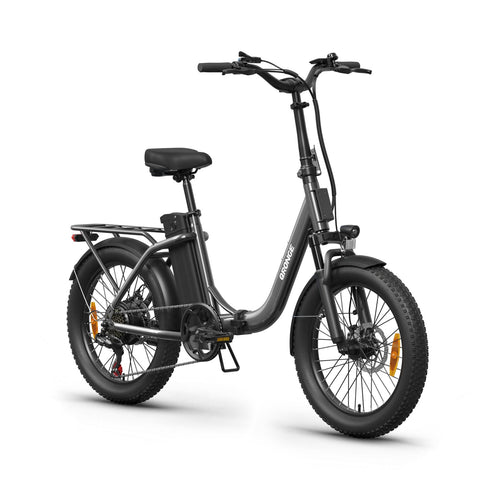

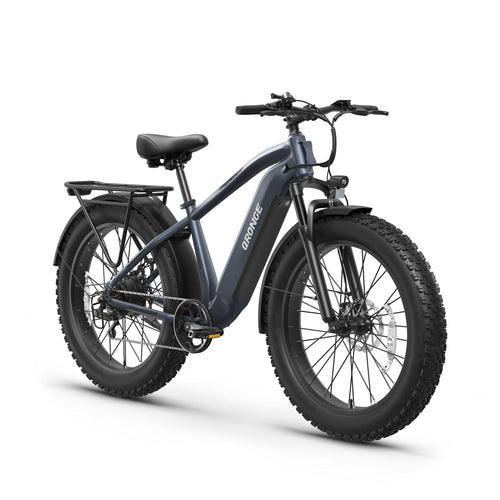
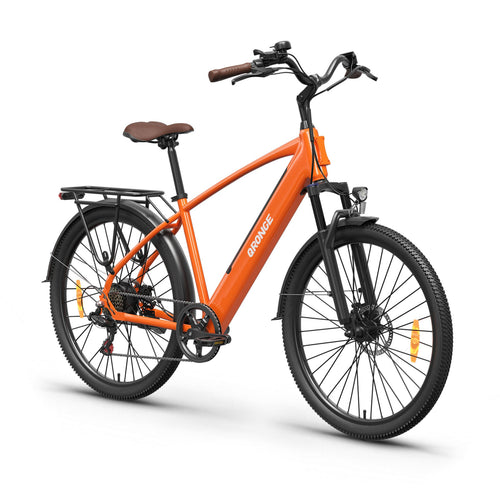




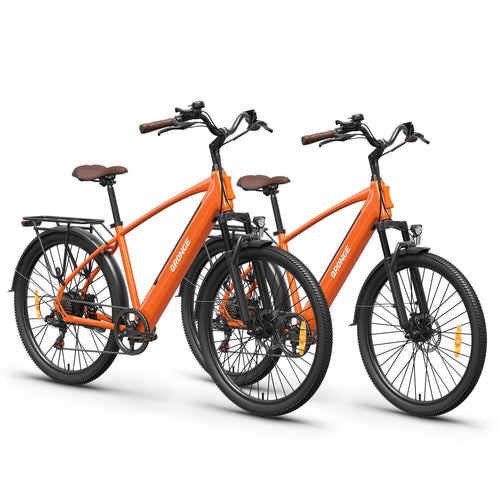
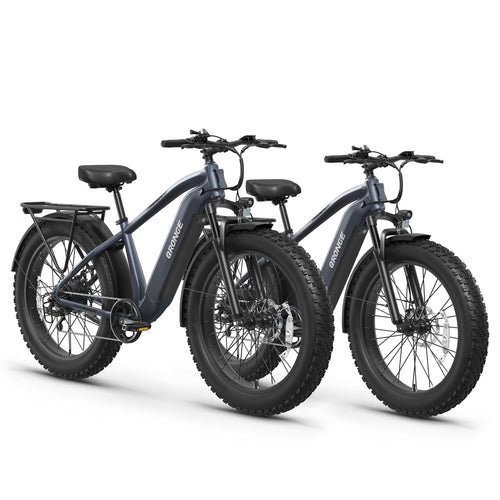
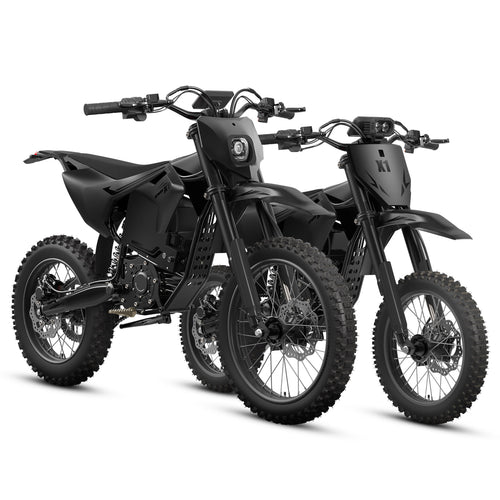
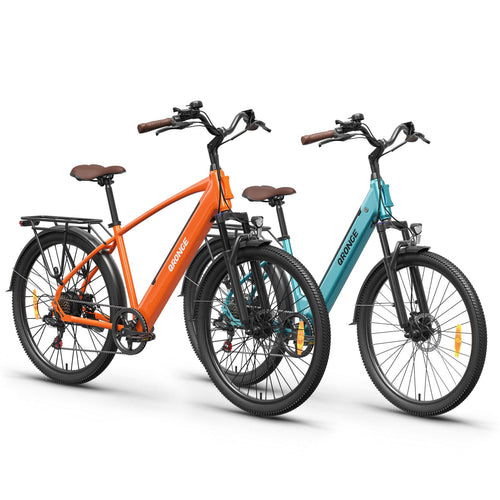


Winter is still a great time to explore desert, dune, and forest trails. Ocotillo Wells, Glamis, Dumont Dunes, Table Mesa, and Croom Motorcycle Area each offer different terrain and riding experiences. Some areas offer open off-road riding areas and camping facilities, but fees, operating hours, and vehicle access requirements vary. If you're looking for destinations for winter dirt bike riding, compare these five locations first, then plan your trip based on your riding experience, preferred terrain, and vehicle type.
Comparing 5 Top Winter Dirt Bike Riding Destinations
Off-road riding areas vary in terrain, fees, and regulations. The following comparison covers riding experiences and actual travel costs to help you quickly determine which destination best fits your needs.
| Riding Destination | Main Terrain | Fees | Hours & Reservations |
|---|---|---|---|
| Ocotillo Wells SVRA | Desert, washes, and rocky terrain | Free | Open 24 hours year-round; no reservation required for day riding |
| Glamis | Large sand dunes | Primary vehicle weekly pass: $55 in advance, $70 on-site; seasonal pass: $185 | October 1–April 15; check applicable pass requirements |
| Dumont Dunes | Sand dunes, steep slopes, and sandy terrain | Regular weekly pass: $30; holiday weekly pass: $40; regular seasonal pass: $90; holiday-inclusive seasonal pass: $120 | Pass required; camping permitted in designated open areas |
| Table Mesa | Desert trails and rocky slopes | Little Pan Staging Area: Free | Check access conditions for specific trails |
| Croom Motorcycle Area | Forest, sand, and former mining areas | Daily pass: $15 per vehicle; annual pass: $80 per vehicle | Open daily, 8:00 AM–5:00 PM; no reservation required for day riding |
Important Vehicle Access Information:
These five locations are recommended off-road riding destinations, but that does not mean every electric dirt bike is automatically permitted. A riding area allowing OHVs or dirt bikes does not guarantee that a specific model meets its access requirements. Before heading out, check the vehicle classification, local registration or permit requirements, and equipment regulations.
- California: Starting January 1, 2026, electric dirt bikes must also obtain an OHV Green Sticker or applicable identification decal, as required, to operate in eligible public OHV areas.
- Glamis: All vehicles, including two-wheeled motorcycles, must have a compliant safety flag installed. The primary vehicle weekly pass costs $55 when purchased in advance and $70 when purchased on-site, while the seasonal pass costs $185. These are not individual admission fees for dirt bikes.
- Dumont Dunes: The BLM requires OHVs to meet registration or permit requirements and be equipped with a safety flag, compliant muffler, and spark arrester. Electric dirt bikes do not have conventional fuel exhaust systems, so confirm the specific equipment requirements with the BLM in advance.
- Table Mesa: Vehicles must meet Arizona OHV registration and decal requirements. Confirm whether your specific model meets the local OHV classification before visiting.
- Croom Motorcycle Area: Vehicles entering the riding area must meet OHM/ATV requirements, including a maximum width of 55 inches and a maximum dry weight of 1,500 pounds. Confirm with the site management whether your electric dirt bike meets the vehicle classification, permit, and equipment requirements.
A Few Things to Keep in Mind Before You Head Out: The fees listed above do not include vehicle registration, nonresident OHV permits, camping, or other additional expenses. Keep in mind that Glamis passes, Dumont Dunes riding fees, and vehicle registration are separate costs. Rules and fees may change, so check with the local land management agency for the latest requirements before your trip.
From Sand Dunes to Forests: Five Different Off-Road Riding Experiences
1. Ocotillo Wells SVRA: Explore Diverse Desert Terrain
Ocotillo Wells State Vehicular Recreation Area is located in Southern California and covers approximately 85,000 acres. It is an open off-highway recreation area with no single set of riding routes. Instead, sandy areas, dry washes, rocky ridges, and rolling terrain create a diverse off-road riding environment.
Fees and Operating Hours
Ocotillo Wells does not charge admission fees for day use or camping and is open 24 hours a day, year-round. No reservation is required for day riding, and open camping is allowed for up to 30 days per calendar year. However, Red Sticker vehicles have seasonal riding restrictions, with access permitted from October 1 through May 31.
What Makes This Area Unique
One of the main advantages of Ocotillo Wells is its varied terrain. Some areas feature open sandy stretches that are suitable for practicing basic riding skills, while others include rocks, washes, and slopes that require better balance and route awareness.
Blowsand Hill is one of the area's notable dune features, while Devil's Slide is known for its steep terrain made up of rocks and sand. Riders can choose different areas based on their experience and enjoy a variety of desert riding conditions.
Safety Tips
- Watch for blind spots behind dunes and inside washes to avoid suddenly entering another rider's path.
- Control your speed on loose sand and rocky slopes, and avoid sudden acceleration or sharp turns.
- Carry enough drinking water and navigation equipment, as cell phone reception may be unreliable in some areas.
- Stay out of closed areas, private property, and unauthorized routes.
This destination is suitable for off-road riders who enjoy open desert exploration and want to experience a variety of terrain.
2. Glamis: Experience Riding on Large Sand Dunes
Glamis is one of the best-known riding areas within the Imperial Sand Dunes Recreation Area, a popular destination for off-road enthusiasts. Its extensive sand dunes stretch for more than 40 miles, average about 5 miles wide, and include dunes reaching up to 300 feet high.
Compared with flat desert trails, riding on large sand dunes requires greater throttle control, body positioning, and route awareness.
Fees and Operating Hours
The Glamis permit season runs from October 1 through April 15 each year. The weekly pass for the primary vehicle costs $55 when purchased in advance and $70 when purchased on-site, while the seasonal pass costs $185. Keep in mind that this pass applies to primary vehicles entering the fee area and is not a separate admission fee for dirt bikes. Before heading out, confirm which pass requirements apply to your mode of transportation.
What Makes This Area Unique
Glamis is best known for its extensive sand dunes. Riders can experience dune crossings, hill climbs, and sandy trails with varying slopes. Wind constantly reshapes the dunes and changes surface conditions, so traction on the same slope can vary over time.
Safety Tips
- All vehicles, including two-wheeled motorcycles, must be equipped with a compliant safety flag. The flag must measure at least 6 × 12 inches, with the top of the pole at least 8 feet above the ground.
- Slow down before approaching dune crests to avoid riding directly over a slope without seeing what is on the other side.
- Maintain a safe distance from other riders and avoid suddenly crossing their paths where visibility is limited.
- Choose slopes based on your riding experience, and avoid attempting routes beyond your skill level just to gain speed.
This destination is suitable for riders with some sand-riding experience who enjoy dune climbing and group rides.
3. Dumont Dunes: Challenge Yourself on Dunes with Varying Slopes
Dumont Dunes is located in San Bernardino County, California, about 40 miles north of Baker. It is another destination worth considering for dune riding.
The area covers approximately 7,620 acres of open riding terrain, featuring large sand dunes, steep slopes, and varied sandy landscapes. Compared with the diverse terrain at Ocotillo Wells, Dumont offers a greater focus on the challenges of dune riding.
Fees and Operating Hours
Dumont Dunes offers weekly and seasonal passes. A regular weekly pass costs $30, while a holiday weekly pass costs $40. The regular seasonal pass costs $120. Seasonal passes are valid from October 1 through September 30 of the following year.
Camping is permitted in designated open areas for up to 14 consecutive days, and no specific campsite reservation is required for regular camping. Holiday rates apply during the weeks of Halloween, Thanksgiving, New Year's, Martin Luther King Jr. Day weekend, and Presidents' Day weekend.
What Makes This Area Unique
Dumont Dunes features noticeable variations in dune height and slope. Some areas have steep sand slopes, making them suitable for experienced riders to practice sand hill climbs and consecutive turns.
The area also offers a camping and group-riding atmosphere. Riders can enjoy daytime riding in open areas or combine their rides with camping for multi-day outdoor trips.
Safety Tips
- OHVs must be equipped with safety flags as required to improve vehicle visibility across the dunes.
- Watch for limited visibility near dune crests to avoid collisions with riders approaching from the other side.
- Desert temperatures may drop below freezing on winter nights, so prepare clothing suitable for both daytime and nighttime conditions.
- Cell phone reception may be unreliable in some areas, so download offline maps before your trip.
- OHVs are limited to 15 mph within 50 feet of campsites, pedestrians, or animals.
This destination is suitable for riders who enjoy dune terrain, challenging slopes, and camping trips.
4. Table Mesa: Explore Desert Trails and Rocky Terrain
Table Mesa Recreation Area is located north of Phoenix, Arizona, and features desert landscapes and open off-road riding routes. Unlike Glamis and Dumont, which are best known for their large sand dunes, Table Mesa offers a riding experience centered on desert trails, rocky slopes, and changing terrain conditions.
Fees and Operating Hours
Little Pan Staging Area is an important staging and rest area for visitors to Table Mesa Recreation Area, and general public access is free. Commercial activities, competitions, and large organized events require a special recreation permit from the BLM.
Advance reservations are generally not required for regular visits, but trail access and vehicle restrictions may vary by route. Before heading out, check the latest BLM maps and temporary closure notices. Vehicles must also meet local OHV registration and permit requirements.
What Makes This Area Unique
Table Mesa offers a variety of trail conditions. Some routes are relatively smooth and suitable for riders familiar with desert terrain, while others feature rocks, slopes, and loose surfaces that require better vehicle control.
Little Pan Staging Area also provides OHV training areas, primitive camping spaces, restrooms, and information facilities, helping riders learn about the routes and surrounding area before setting out.
Safety Tips
- Stay on designated routes open to motorized vehicles and do not enter closed areas.
- Watch for rocky slopes and loose sand, and avoid sudden changes in direction.
- Carry drinking water, offline maps, and communication equipment.
- Check for trail closures before your trip, and do not attempt to ride through muddy or damaged trails after rainfall.
- Follow local OHV vehicle registration, equipment, and safety requirements.
This destination is suitable for off-road riders who enjoy exploring desert trails, rocky terrain, and varied riding surfaces.
5. Croom Motorcycle Area: Off-Road Riding Through Forests and Sandy Terrain
Croom Motorcycle Area is located near Brooksville, Florida, within Withlacoochee State Forest, and covers approximately 2,600 acres. Unlike the desert areas in the western regions, its riding environment features forests, sandy terrain, and former mining areas. The trails offer varying difficulty levels, along with training areas and designated areas for young riders.
Fees and Operating Hours
The daily OHV pass at Croom Motorcycle Area costs $15 per vehicle, while the annual OHV pass costs $80. The area is open seven days a week, from 8:00 AM to 5:00 PM. Day riders must leave by 5:00 PM.
Reservations are not required for regular day riding. However, the Training Pavilion and Buttgenbach Mine Campground require separate reservations. Visitors planning to use the training facilities or camp should book in advance.
Vehicle Requirements and Safety Tips
Croom has specific requirements for vehicles entering the riding area. OHMs/ATVs must not exceed 55 inches in width or 1,500 pounds in dry weight. Vehicles must also meet the applicable access permit requirements. Since the vehicle classification and specific equipment requirements may affect whether electric dirt bikes are permitted, contact the area management before your trip to confirm.
In addition, all riders must wear helmets, and OHM/ATV operators under 16 must be directly supervised by an adult aged 18 or older. Riding is permitted only in designated off-road areas and on approved trails. Carrying a passenger on an OHM and bringing pets into the area are not allowed.
What Makes This Area Unique
Croom's trails run through forests and sandy terrain, with noticeable elevation changes and turns in some areas. The area also offers riding zones for different experience levels, including training areas for beginners and designated areas for young riders.
This layout is particularly useful for riders who want to practice basic handling skills and gradually become more comfortable on off-road trails.
This destination is suitable for riders who enjoy forest trails, sandy terrain, and off-road riding at different difficulty levels.
What Gear Do You Need for Winter Off-Road Riding?
Choosing the right riding destination is only part of planning a trip. Winter outdoor conditions can also bring cold temperatures, blowing sand, reduced visibility, and significant temperature changes between day and night. Preparing the right protective gear and emergency supplies can help reduce unnecessary risks while enjoying your off-road adventure.
Helmet and Goggles
A helmet is one of the most important pieces of protective gear for off-road riding. Choose an off-road helmet that fits properly and meets the applicable safety standards. In sandy and desert environments, airborne dust and sand can affect visibility. A properly fitted pair of off-road goggles is recommended. Choose anti-fog lenses and carry a spare pair based on weather conditions.
Chest Protector, Knee Guards, and Off-Road Boots
Off-road trails may include rocks, branches, sand, and other obstacles. Protective gear can help reduce injuries from falls or collisions. Recommended gear includes a chest protector, elbow guards, knee guards, riding gloves, and off-road boots with ankle protection. Make sure your gear fits properly and does not interfere with steering, braking, or body positioning.
Layered and Insulated Riding Clothing
Desert temperatures can vary significantly between day and night during winter, so staying warm is especially important when setting out early in the morning or returning in the evening. Dressing in layers is recommended: wear moisture-wicking, breathable clothing as a base layer, add insulation as needed, and finish with a windproof riding jacket. This setup can be adjusted to changing temperatures and riding intensity without wearing clothing that is too bulky for movement.
Navigation and Emergency Gear
Remote off-road areas may not have reliable cell phone reception, so do not rely solely on online maps. Before heading out, prepare a GPS device or downloaded offline maps, a backup power source, an emergency communication device, plenty of drinking water, high-energy snacks, a basic first-aid kit, and common repair tools. If you plan a long ride, let family members or fellow riders know your route and expected return time. Riding with others is also recommended.
What Else Should You Check on an Electric Dirt Bike?
If you ride an electric dirt bike, check the battery condition, remaining charge, and charging options before heading out in winter. Cold temperatures can reduce a lithium battery's available energy and instantaneous power output, resulting in shorter riding range and changes in acceleration response. Therefore, do not plan your winter route based solely on the maximum range achievable in warmer weather.
Check the battery condition in advance and reserve enough charge for the return trip based on temperature, riding mode, and terrain difficulty. For longer desert rides, also consider whether safe resupply and charging options are available along the way.
Further Reading: Why Do Electric Dirt Bikes Lose Range and Power in Cold Weather?
Get Ready for Your Next Off-Road Ride
Different off-road environments place different demands on motor power, bike size, tires, and riding range, from desert trails to large sand dunes. When choosing a model, consider not only top speed and motor power but also your riding experience, preferred terrain, and ability to control the bike.
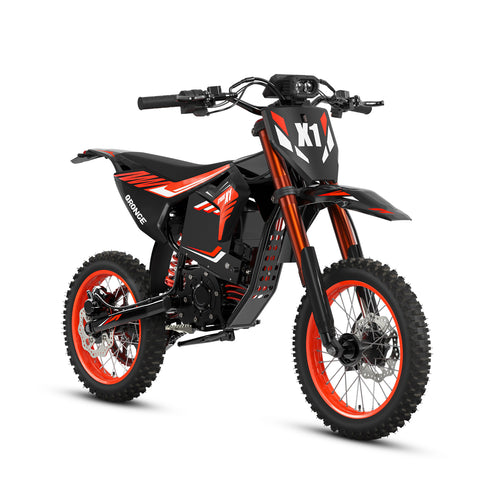
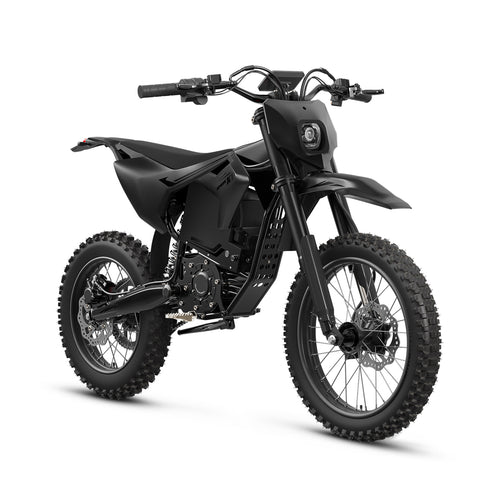
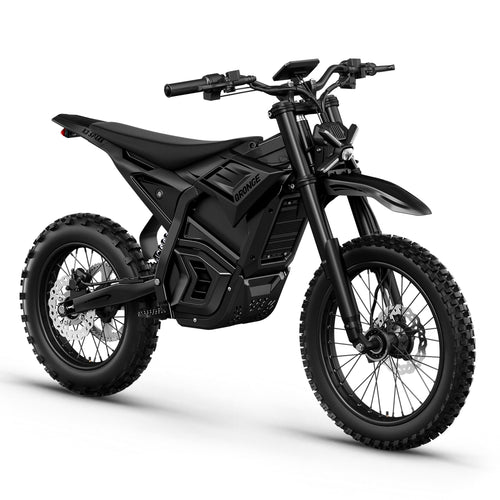
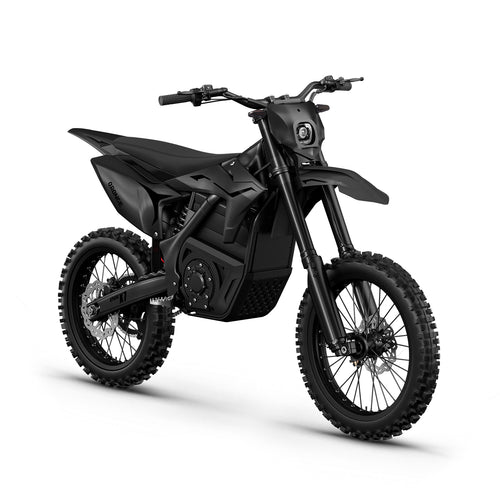
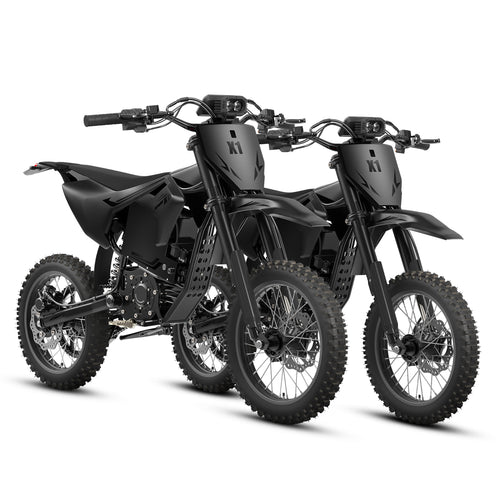
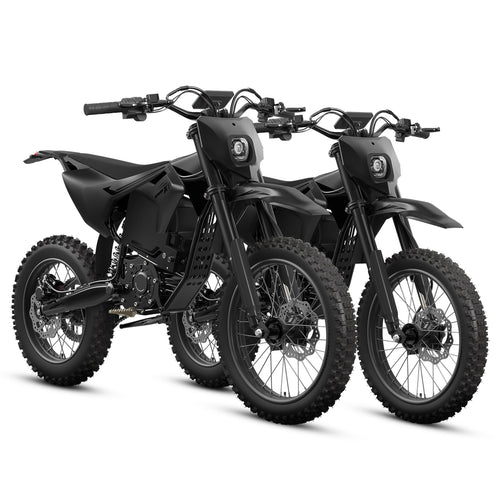
Qronge offers electric dirt bikes with different power levels and frame sizes, including the 4,500W X1 Spark M and X1 Spark L, the 6,000W X5 Spark, and the 12,000W X7 Spark. Each model differs in power, battery capacity, and wheel size, allowing you to compare options based on your riding needs.
If you're considering an electric dirt bike, compare the power, range, and frame size of different models to find the setup that best matches your riding style.


